First Look or Not? Planning the Moment Before a Sicilian Ceremony
30 October 2026 · 7 min read · Rosario Spadaro
Short answer: a first look is worth considering if your ceremony is late in the day, your guest list is long, or being watched down an aisle is the part you dread. It is not compulsory, and it does not remove nerves. What it changes is the light available for portraits and the shape of your morning. In Sicily that choice is decided by heat, daylight and the hour somebody else has set.
What a first look actually is, and what it changes
A first look is the two of you meeting privately before the ceremony, usually with nobody present except me and, if you want, one person you trust. You are already dressed. No guests are seated. The day has not begun for anyone else.
What it changes is practical rather than sentimental. The portrait time that would otherwise sit in the middle of your aperitivo moves earlier, into a quieter and, in summer, cooler hour. Your guests are not standing about waiting for you. And the two of you get a short stretch of time in which nothing is being performed for an audience.
What it does not change is the aisle. You still walk in, and your guests still turn round. What shifts is the reaction they see. Without a pre-ceremony session, the ceremony carries more of the day's feeling, and the walk in is often the moment everyone remembers.
Heat, daylight and the hour you were given
A Sicilian wedding day is shaped by two things nobody can negotiate: heat and light. Both decide whether a first look helps you or simply complicates your morning.
In July and August, ceremonies are commonly set in the late afternoon or early evening so that nobody stands in full sun in the middle of the afternoon. That pushes the whole day back. The aperitivo begins just as the light turns kind, and any portrait session scheduled after the vows lands in the hour when your guests most want you there.
In November, December and January the usable daylight runs out early. A late-afternoon ceremony in those months can leave no soft outdoor light at all once you are married, so portraits happen indoors or under artificial light. That can be perfectly good, sometimes kinder than a glaring street, but it should be a decision rather than a surprise.
The ceremony hour is often set by somebody else: a parish, a venue, a registrar, or the heat itself. Working out what time a Sicilian ceremony should start therefore comes first, because the first look is arranged around that hour rather than the other way round.
The two versions, side by side
Both work. They cost different things.
Meeting before the ceremony
Waiting until the ceremony
There is a third version worth knowing about: no first look, and no long portrait session either. A short session in the shade close to the venue, on a route already walked, and you are back before anyone has finished a drink. It suits couples who want neither the performance nor the wait.
- You gain portraits in softer light and cooler air, an aperitivo you actually attend, and a private moment before the noise begins.
- You spend an earlier start to hair and make-up, the surprise of the aisle, and a little coordination to keep the meeting out of sight.
- You gain the full weight of the walk in, and a slower, calmer morning.
- You spend part of your own aperitivo, often in the hottest hour, while guests wait and the kitchen watches the clock.
Two illustrative mornings
Both examples are for a late-June Saturday in Palermo with the ceremony at seven in the evening. They are illustrations, not schedules; your date, venue and suppliers will move everything.
With a first look
Without one
- Early afternoon in the getting-ready room, where light, space and mirrors do most of the work: how to judge a getting-ready room in Palermo.
- Late afternoon: dressed, and a private meeting somewhere shaded and away from the entrance your guests will use, agreed with the venue beforehand.
- Then the portraits, while the stone is warm rather than hot and the streets are emptying for the evening.
- You separate; guests arrive; the ceremony runs at the hour it was set.
- After the vows, a short window for family groups, then you join the aperitivo while it is still in full swing.
- The morning is slower and the room is used for longer.
- You travel separately and meet at the front of the ceremony.
- The portrait session begins as the aperitivo does; guests eat, drink and wait.
- You return in time for dinner, having missed the start of your own party and the best of the light.
What your guests notice
Guests are more aware of your absence than of your entrance. A long disappearance at the start of the aperitivo reads, from the outside, as a wait with a glass in hand, in the sun, and it is hardest on older relatives and small children.
A first look moves that absence to a moment when nobody is waiting for anything. It also means you greet people while you are still fresh, rather than after an hour of being photographed in the heat.
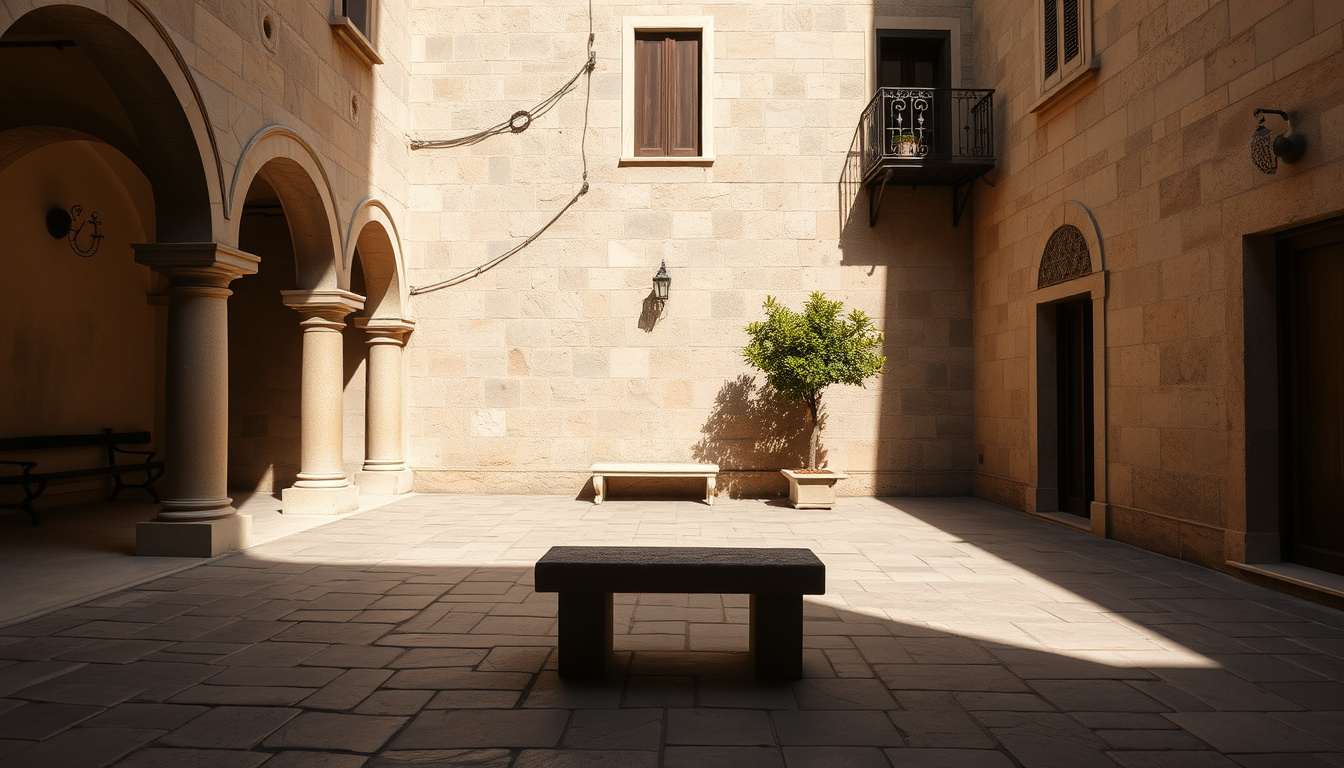
The detail that decides whether it feels effortless is the route. You need a way from the room to the meeting point that does not cross the entrance, the bar or the corner where early guests gather. Ask the venue to show you that route at the hour you will actually use it. Of everything in this article, it is the most useful thing to settle in advance.
Church, symbolic ceremony, and who decides
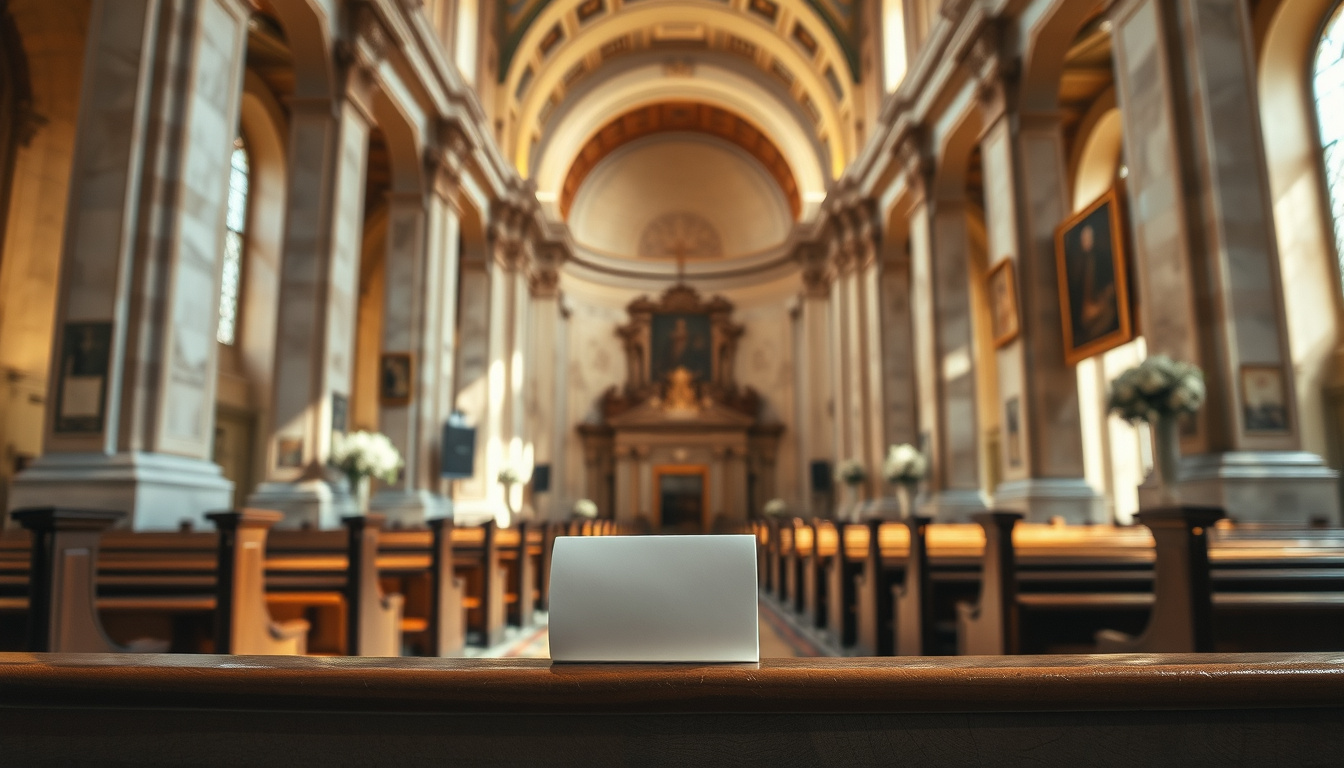
If you are marrying in a church, the parish decides what is possible beforehand: whether you may meet privately in or near the building, at what hour, and who may be present. Ask the priest directly rather than assuming, and ask early, because the answer shapes your morning more than any other single detail.
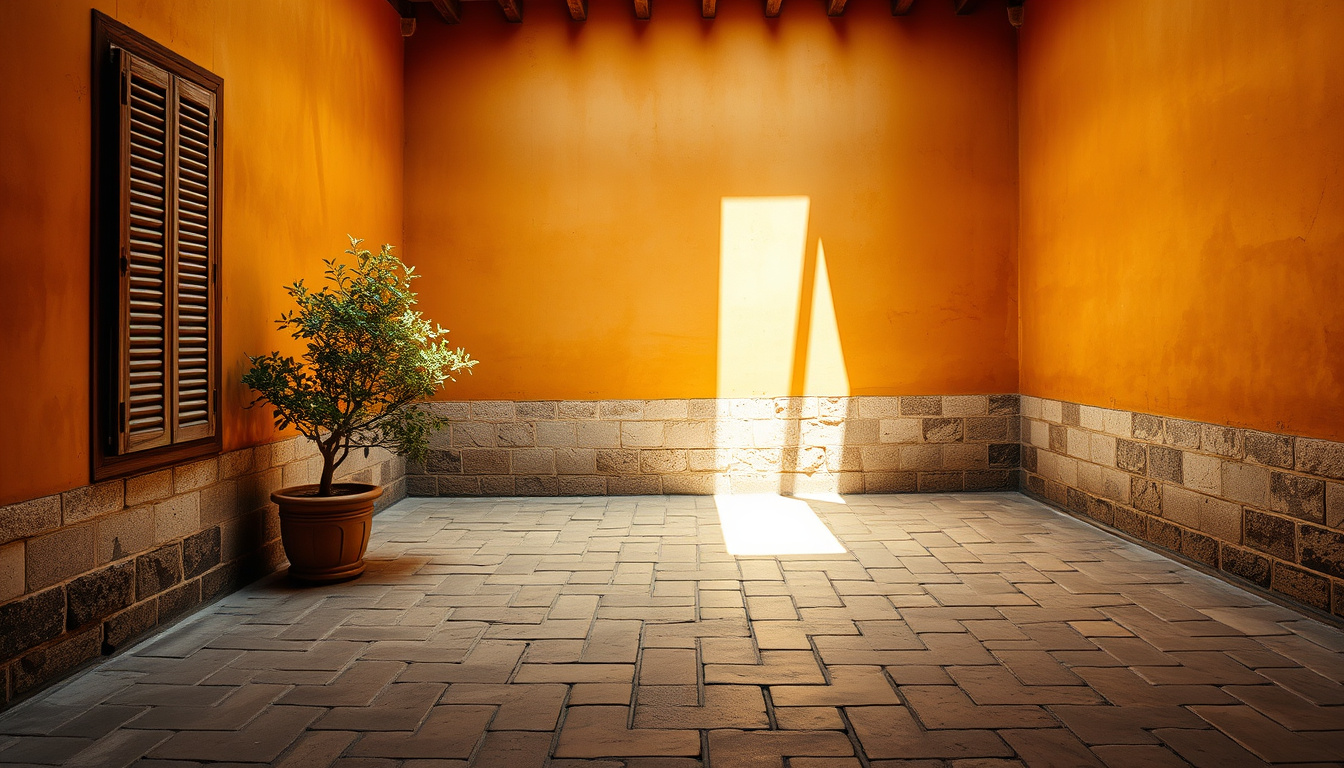
A symbolic ceremony in a garden, on a terrace or in a private courtyard usually leaves more room to arrange a quiet meeting place. How a symbolic ceremony in Sicily actually works covers who leads it and what it contains. There, the constraint is rarely permission and more often sightlines: the place you meet should not be visible from where guests are arriving.
What to confirm before you fix the timeline
Send these before the schedule is written, not after.
- To the parish or officiant: may we meet privately beforehand, where, and at what hour?
- To the venue: is there a shaded or indoor space we can use privately at that hour, and which route reaches it without crossing the guest entrance?
- To whoever is dressing you: how much earlier does the morning have to begin for the meeting to be possible?
- To your photographer: how long a session is realistic in this heat, what happens if the light is flat or it rains, and what we would do instead.
- To your planner or whoever holds the timeline: who tells the guests, the drivers and the venue staff that the couple is already together?
Deciding it from another country
Most couples settle this from abroad, without having stood in the space at the relevant hour. Three things close that gap.
Ask for photographs of the candidate meeting place taken at roughly the hour you would use it, either from the venue or from whoever visits on your behalf. Ask for a short call rather than a long email, because the decision usually turns on one constraint that is easier to explain out loud. And set a date by which you will decide, since the getting-ready timings, the transport and the rehearsal all sit downstream of it.
If you are still working out where the portraits happen, where to take wedding photographs in Palermo sets out which parts of the city work at which hours.
If you are weighing this up for a date in Sicily, send me the date, the place and the hour you have been given. I will tell you honestly how the light would fall and whether a first look earns its place in your day. Check your date in Sicily.
Frequently asked
- Does a first look make the ceremony less emotional?
- No. It changes what your guests see rather than what you feel. Some couples find the walk in calmer because the nerves have already been spent; others find it more intense, because the private moment has happened and the aisle is the first time you are seen. Both are common.
- Can we have a first look if we are marrying in a church?
- Ask the parish. Some churches allow a private meeting in a side chapel or courtyard; others do not, or set conditions about who is present and when. The priest's answer decides your morning, so raise it before hair and make-up are booked.
- What time should a first look happen?
- Work backwards from the ceremony, not forwards from the morning. Allow for the session itself, the walk or drive to the ceremony and a buffer for the day running late. In summer, earlier is better for both light and heat; in winter the constraint reverses, because daylight finishes sooner.
- What happens if it rains on the day?
- A covered courtyard, a loggia or a large interior room often gives more even light than sun would have. What matters is that the space was agreed in advance and that the route to it does not run through the arrivals, so the plan does not collapse in the last hour.
- Do we have to tell our guests?
- Only the people who need to know: whoever is dressing you, the planner, the drivers and the person keeping the timeline. Guests do not need an announcement, and a quiet route does more for the moment than any instruction.
Sources & further reading
Photographed across the whole island
See how a Sicilian wedding day is documented on the Destination Wedding Sicily home page, explore the location guides, or view the full Italian portfolio at rosariospadaro.com.
Check your dateKeep reading