Wedding Photographs in Palermo: Where and When to Take Them
1 October 2026 · 8 min read · Rosario Spadaro
Palermo rewards a plan built around the hour rather than a list of landmarks. Choose two or three places that sit close together, put them in the right light, and accept that you will see less of the city than you hoped; the photographs are usually better for it. This guide covers how the light moves through a Palermo day, which parts of the city suit which hours, how much moving around is realistic, and what to confirm about access before anything is fixed.
Start with the hour, then choose the place
Palermo sits in a bowl between Monte Pellegrino and the sea, and its light changes character several times between morning and evening. In the first two hours after sunrise the streets are quiet and the stone is soft. By late morning the pale façades begin to throw heat and light back into the squares, and in summer an open piazza without shade is hard work for anyone standing in it.
The sea breeze usually arrives in the afternoon and cools the coast before it reaches the inner streets. The last hour before sunset is the most forgiving light of the day: low and warm, and on the coast it comes across the water.
Two fixed points shape everything else — the time of your ceremony and the time your venue serves dinner. Everything between them flexes. A ceremony at 11:00 in July puts the portraits in shade or indoors; a ceremony at 18:00 leaves you the best light of the day waiting outside the church.
Central Palermo: baroque stone, deep shade and crowds
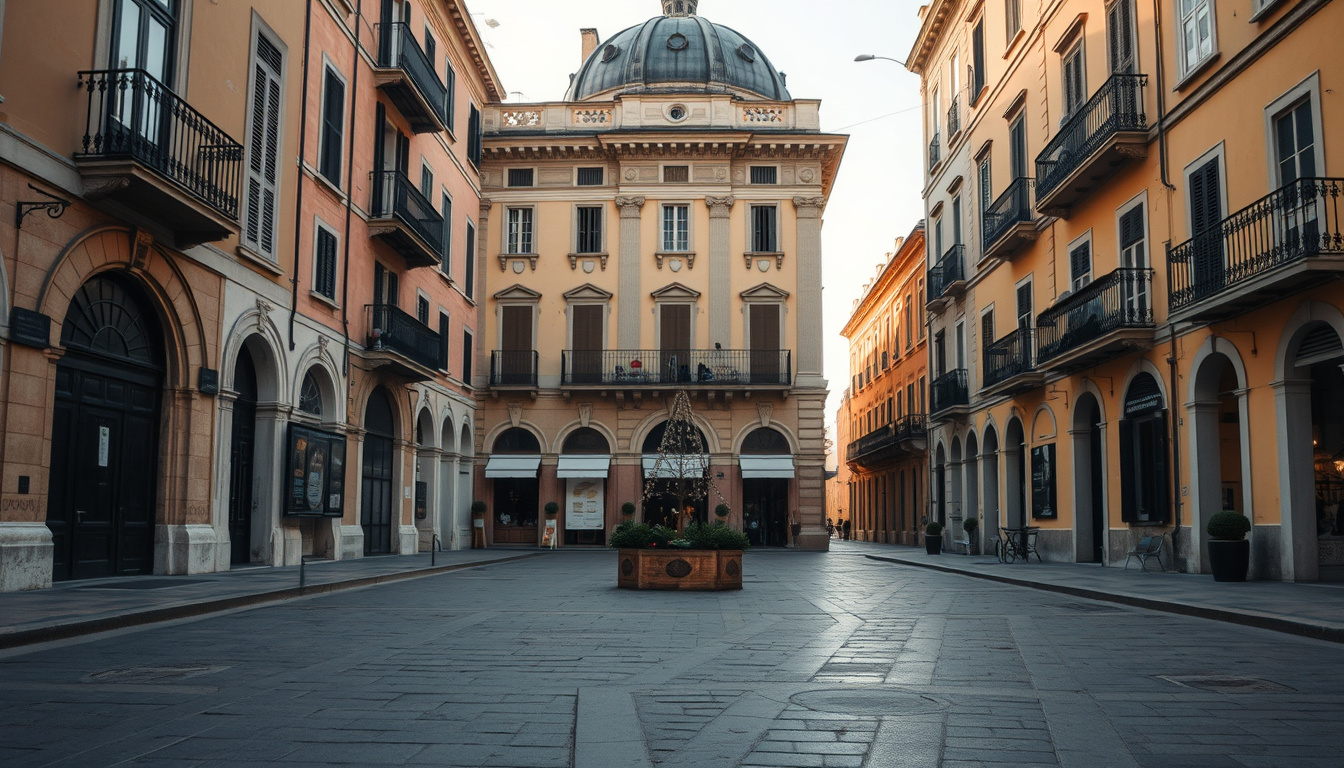
The historic centre is compact and walkable. Its two main axes, Via Maqueda and Via Vittorio Emanuele, cross at the Quattro Canti, a few minutes on foot from Piazza Pretoria and the cathedral square. This is the densest concentration of stone, domes and façades in the city, which makes it the obvious place to start — and also the busiest.
What works here: mornings, when the streets are still empty enough to hold a frame; the shaded side of a street rather than the middle of a square; and short walking distances, because three good backgrounds can sit within ten minutes of each other. The honey-coloured stone is the reason the centre photographs so well.
What does not work: midday in an open square in July, where the light is hard and there is nowhere to stand comfortably; and a route that needs a car between stops, since traffic in the centre is significant and the restricted traffic zones limit where a vehicle can wait. If you want interiors — a church, a palazzo, a museum — those are arranged separately with whoever manages the building.
The Kalsa, Piazza Marina and the Foro Italico
South-east of the centre, the Kalsa quarter is a grid of narrow streets that open onto Piazza Marina and then onto the Foro Italico, the long seafront promenade. The streets are tight enough to hold shade through the middle of the day, and the seafront gives you open water when the city starts to feel enclosed.
This is where I would send a couple whose timetable forces a midday session. The light is indirect, bounced off pale stone rather than falling straight onto faces, and there is far less foot traffic than around the Quattro Canti. In the early morning the Foro Italico faces the open sea and takes the first direct light of the day.
One practical note: this area is best walked. The distances are short, but the paving is uneven in places, and in summer the heat off the stone is real.
Mondello and the coast
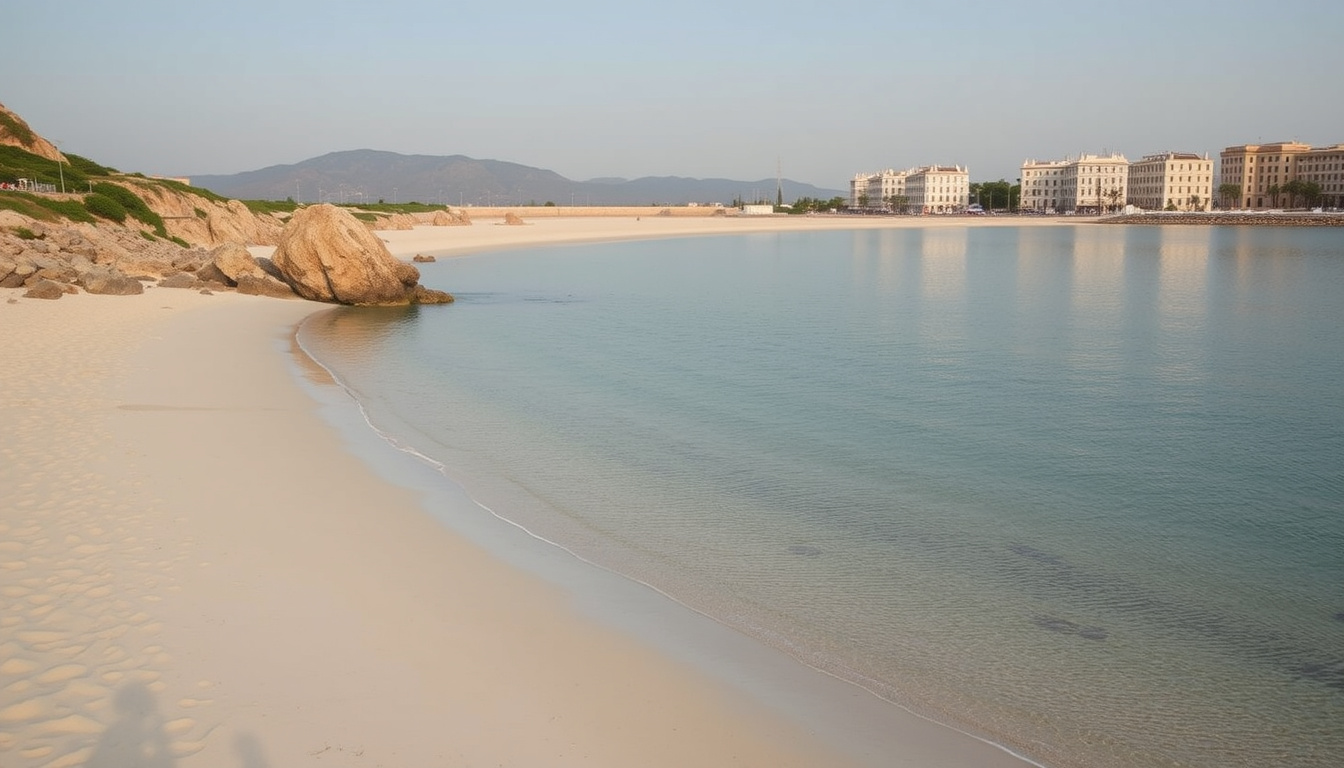
Mondello is Palermo's beach: a crescent of pale sand between the headland of Monte Pellegrino and the next promontory, with Liberty-style buildings at the northern end. It is roughly twenty minutes by car from the centre and about thirty from the airport, though the coast road slows considerably in summer. The guide to luxury wedding venues in Palermo and the north-west coast covers the area in more detail as a reception location.
Photographically, the useful hours are early morning and the hour before sunset, when the light on the sand and the water is soft and even. Wind is the practical variable: it moves veils and hair constantly, and it also keeps everyone cooler than in the city. In July and August the beach is extremely busy, so either accept the crowd in the frame or choose a quieter stretch with the help of someone who knows the access points.
Two small logistics matter more than they sound. Sand and long dresses do not mix well, so plan shoes you can change out of, and somewhere to rinse your feet before getting back into a car.
Gardens and green shade
Palermo has several public green spaces that work when you want background without the city's noise: Villa Giulia beside the Foro Italico, the Giardino Inglese north of the centre, and the Orto Botanico. Palms, ficus and gravel paths give a soft, even background and genuine shade, which is valuable between May and September.
Two things to check each time: current opening hours, which change with the season, and whether part of the garden is closed for works. Photography conditions inside a managed garden are set by the garden's own office, so confirm what is allowed before you build a plan around it.
How many locations can a wedding day take?
Fewer than you think. Every extra stop costs travel time, parking or drop-off time, and the attention of two people who are meant to be enjoying their own wedding. Two or three places within a short drive of the venue usually produce more usable photographs than a tour of the city.
The trade-off, in plain terms:
An illustrative shape to a late-afternoon wedding. Treat it as a shape, not a timetable — ceremony time, travel times and the venue's dinner service will move every block:
If a place you love sits far from everything else, a short session on another day — or an hour the following morning — is usually a better answer than a long detour on the wedding day itself.
- One location, one hour: relaxed, no travel, and the best chance of photographs that look like the two of you rather than like a schedule.
- Two or three locations within fifteen minutes of each other: variety of background and light, at the cost of roughly twenty minutes of moving and parking.
- A city tour: more backgrounds, but it eats the aperitivo, tires everyone in the heat, and often ends with guests waiting and the couple apologising.
- Quiet coverage during preparations at the hotel or at home.
- Fifteen to twenty minutes in a shaded street or garden a short walk from where you are getting ready.
- The ceremony.
- Forty-five to sixty minutes in one location near the church or the venue, chosen for the light at that hour.
- Back at the venue fifteen minutes before dinner, for a short set on the terrace or in the garden.
- Ten minutes outside at dusk, when the lights come on.
What to confirm before you fix a route
If you are planning from another country, ask for a route proposal rather than a list of places, and make sure it states how long each move takes. Then confirm the following, in writing where possible:
It also helps to say plainly what you dislike: long posed groups, being watched by strangers, walking in the heat. A route can be built around those preferences. The destination guide to Palermo covers the wider question of where to marry in the city, there is a short piece on where guests should stay for a Palermo wedding if you are still choosing a base, and the questions to ask a Sicilian wedding venue are worth sending before you sign anything.
If you are planning a wedding in Palermo, tell me your date, your venue and what matters most to you about the photographs, and I will suggest how to place the portrait locations around the light rather than around a list of landmarks. You can send me the details here.
- Who controls access to each place — a parish or diocese for a church, the site's own management for a museum or garden, the Comune di Palermo for city-owned spaces — and whether photography needs permission, a booking or a fee.
- Current restrictions: tripods and flash, visiting hours, and any restoration work that closes a façade, a cloister or part of a garden.
- Closing times in your month. Gates shut earlier outside summer, and some gardens close before sunset for much of the year.
- Drop-off and pick-up points , given the restricted traffic zones and the traffic in the centre.
- The venue's fixed moments — aperitivo, the start of dinner service, speeches — that the photo session has to work around.
- A wet-weather alternative that keeps the same shape of the day rather than cancelling the portraits.
Frequently asked
- What time of day is best for wedding photographs in Palermo?
- Early morning and the two hours before sunset give the softest light. In summer, midday sun on the city's pale stone is hard and the shadows are short. If your ceremony forces a midday session, the shaded streets of the older quarters or a garden usually read better than an open square.
- Can we have photographs inside Palermo's churches and monuments?
- Sometimes, but it is decided case by case. Churches are governed by the parish or diocese, museums and gardens by their own management, and city-owned spaces by the Comune. Rules on tripods, flash, visiting hours and fees differ, so ask well before the wedding and keep the answer in writing where you can.
- How far is Mondello from central Palermo?
- Mondello is roughly twenty minutes by car from the centre and about thirty from the airport, although summer traffic on the coast road can add considerably. The beach is extremely busy in July and August, so a session there works best early in the morning or late in the day.
- Should we plan a separate portrait session?
- Many couples find that a short session on another day, or a quiet hour the following morning, yields more than a long detour on the wedding day. It allows for a location that is far from the venue, better light, and no sense of guests waiting for you to return.
Sources & further reading
Photographed across the whole island
See how a Sicilian wedding day is documented on the Destination Wedding Sicily home page, explore the location guides, or view the full Italian portfolio at rosariospadaro.com.
Check your dateKeep reading