Palermo Wedding Venues for a Summer Wedding: What Actually Works
24 October 2026 · 8 min read · Rosario Spadaro
A summer wedding in Palermo is decided less by which building you fall for than by how that building behaves in heat and strong light. The venues that work in June, July and August tend to share three things: a genuinely cool room for dinner, real shade at the hours you will use the garden, and a ceremony late enough that the sun is no longer overhead. Everything else — the façade, the view, the terrace — is something you plan around rather than the reason to choose a place.
What a Palermo summer asks of a building
Palermo in high summer is hot and humid, and the coast is what makes the evening workable. That has a direct effect on the venue decision, because the parts of a property you use shift through the day. In April a courtyard is somewhere to stand and talk at six in the evening. In July it is somewhere to stand at eight, and only if the walls have been holding shade since the afternoon.
Three consequences follow, and they are worth holding in mind before you look at a single photograph.
When I plan coverage of a summer day, I work around two useful windows: open shade in the late afternoon, and the last hour before sunset. The middle of the day belongs to interiors, preparation and the quieter photographs.
- The ceremony moves late. Not because it is fashionable, but because a ceremony in the middle of the afternoon asks guests in formal clothes to sit in direct sun. A later ceremony compresses the day: less of a gap, an aperitivo as the light drops, dinner after sunset.
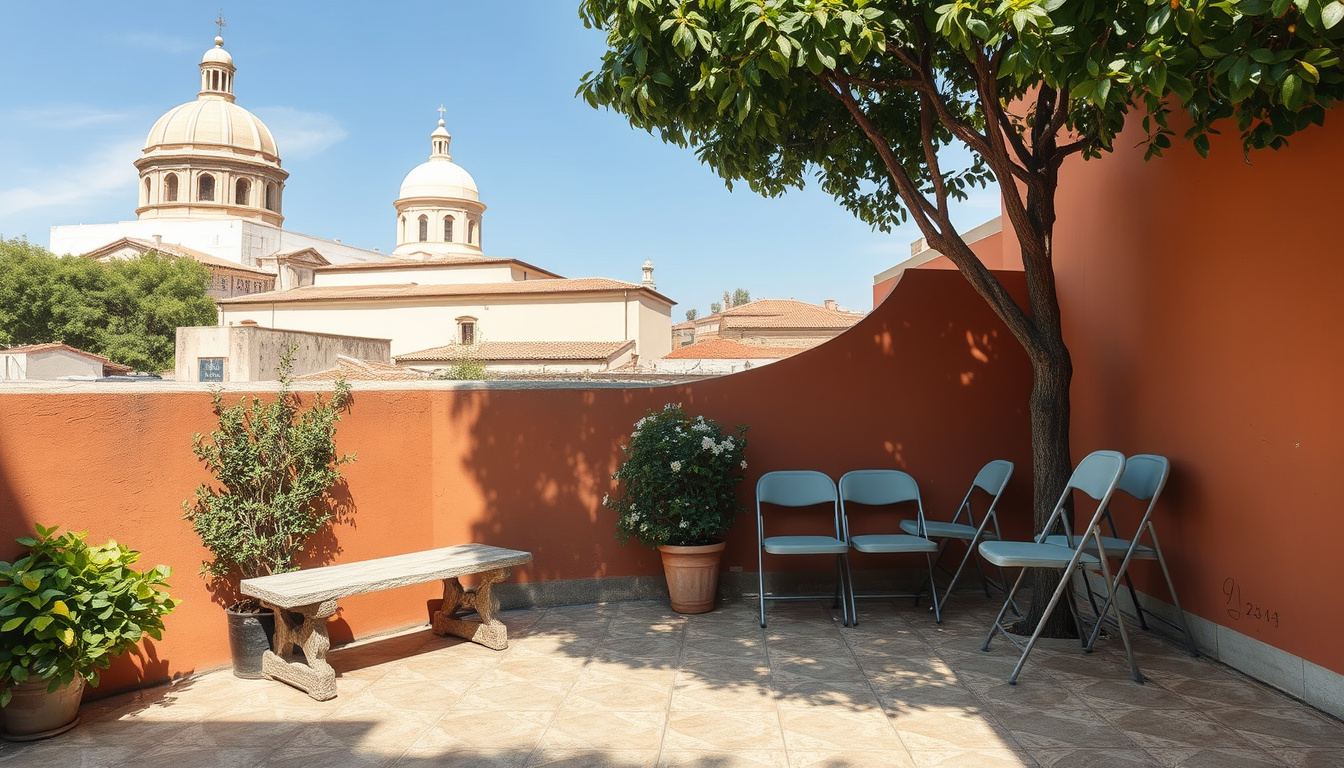
- The garden becomes an evening room. Garden venues are lovely, but for much of a summer day the usable part of a garden is the shade. Ask where that shade falls at your hour, not at the hour of the photograph on the website.
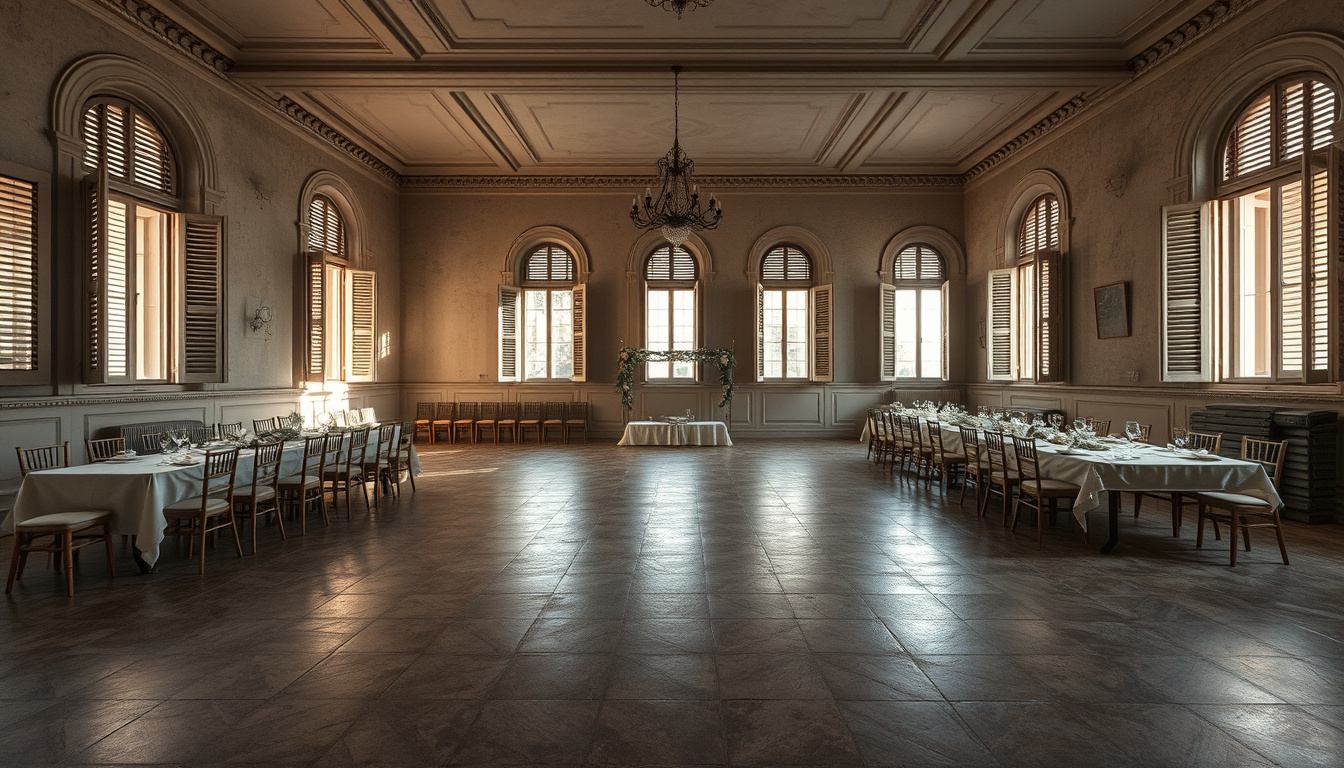
- The dining room matters more than the terrace. It is where your guests sit for the longest stretch of the evening, and it is the room to inspect and to ask about cooling.
The kinds of venue that work, and what each one asks in return
Most couples planning in Palermo end up choosing between three broad settings. Each handles the heat differently, and each asks something of you in exchange.
The trade-off is consistent. The cooler and breezier the setting, the more of your day is spent moving people by road. A city venue shortens transfers and asks you to work with interiors; a coastal one gives you the evening air and asks you to organise transport properly.
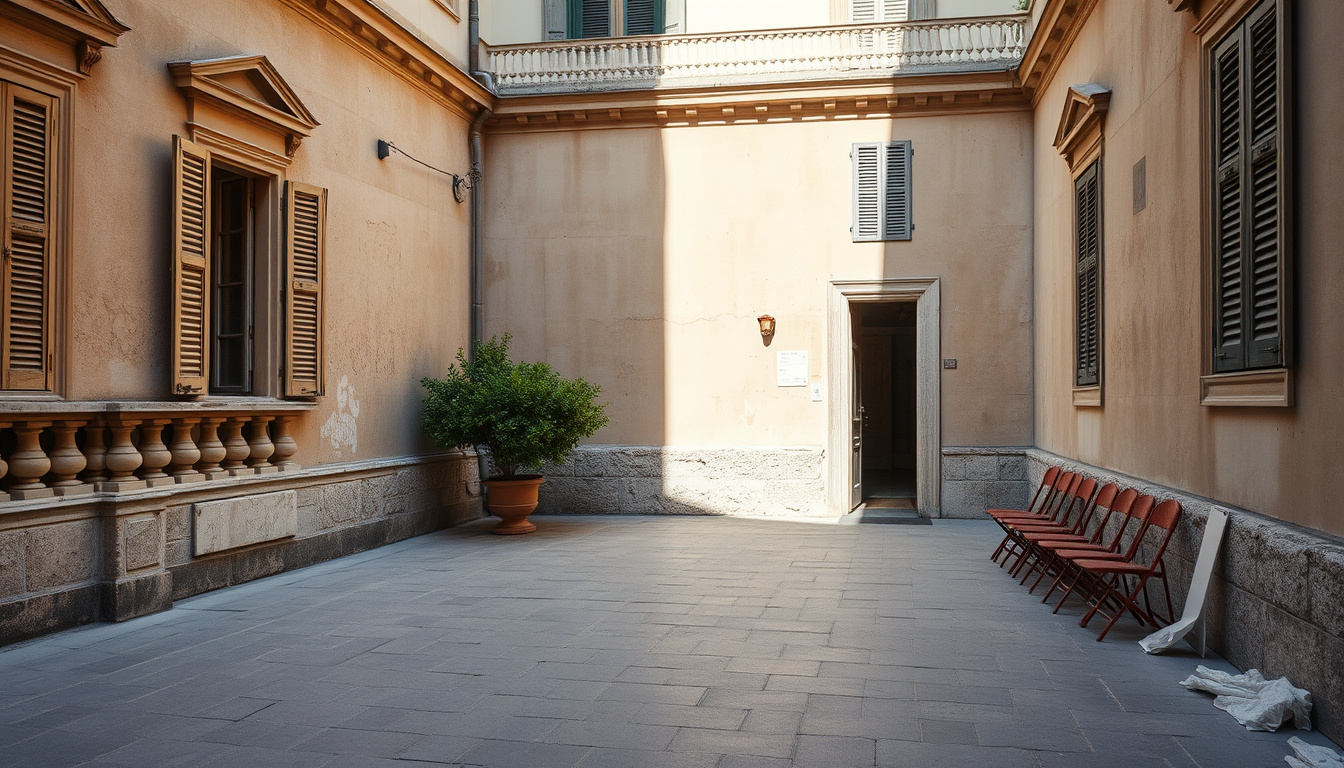
- City palazzi and historic interiors. Thick walls and high ceilings keep the inside genuinely cooler, and a courtyard often holds shade for part of the afternoon. In return you accept the city: traffic on the drop-off, a short walk from car to door for guests in formal shoes, and outdoor space that may be a courtyard rather than grounds. Confirm the drop-off point with the venue, because in the historic centre it decides how your guests actually arrive.
- Villas with mature gardens. Trees do work no parasol can, and there is room for children to move. In return, the garden is only fully usable from early evening, and dinner usually happens under a permanent structure, a pergola or a hired cover — worth seeing in place rather than on a plan.
- The coast, Mondello and the road west. Moving air in the evening and low light on the water at the end of the day. In return, the coast road is slow in summer, the beaches are crowded in July and August, and guests sleeping in the city face a transfer at the end of the night.
Three things to settle before you shortlist
Before you compare anything else, get clear answers on these. They decide whether the day works, and none of them can be rescued later by better flowers.
If you are working through a general shortlist at the same time, how to choose a Palermo wedding venue that works covers the rest of the decision — ceremony type, capacity and access.
- The room you will eat in, and how it is cooled. Ask which room serves dinner at your guest number, what its capacity is at that number, and how it is kept cool. A building with air conditioning in one wing may not have it in the room you are given.
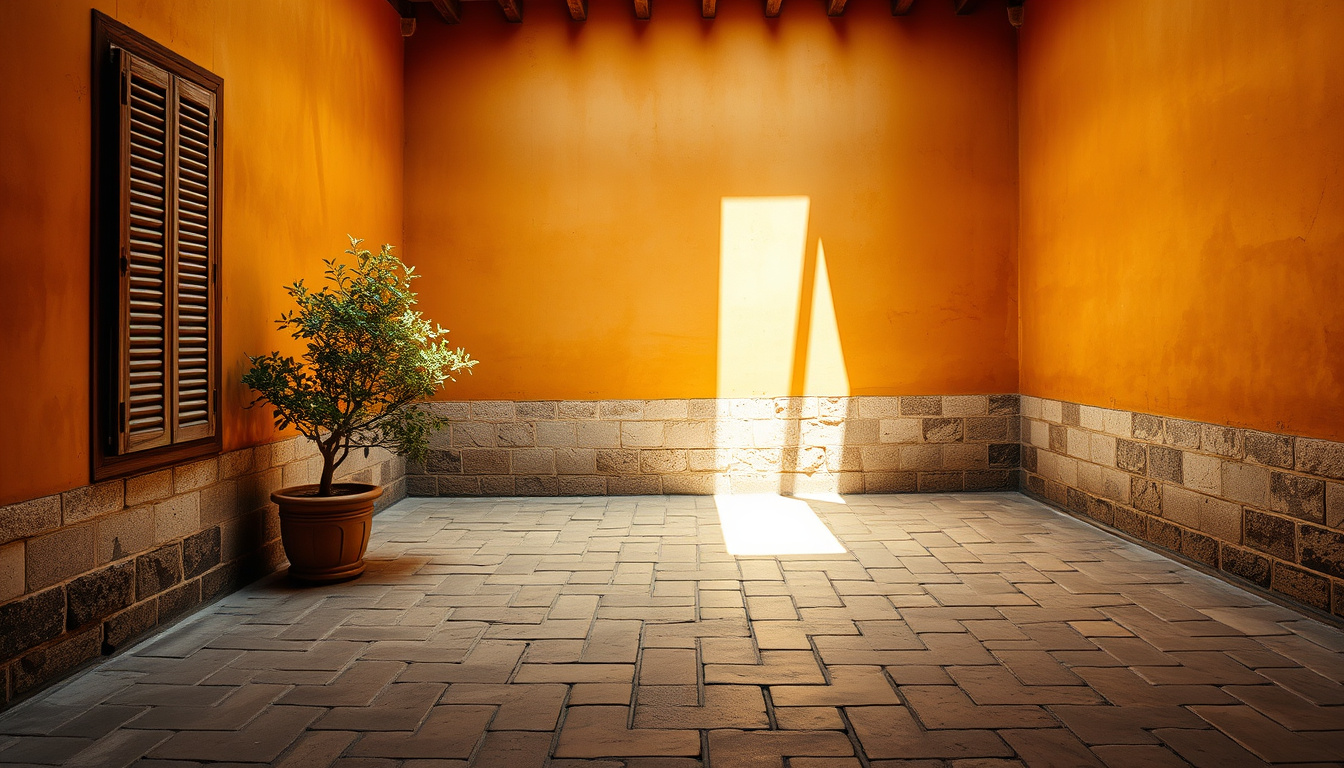
- Where the shade falls at your hours. Ask for photographs or a short video of the garden or terrace taken at the time you plan to use it. If the venue cannot supply them, that tells you something too.
- The extreme-heat plan, in writing. Which space the ceremony moves to, who makes that call, at what hour, and whether the seating, the sound and the timing move with it.
An illustrative summer shape to the day
This is an illustration, not a schedule. It will move with your date, your venue, your suppliers and the kind of ceremony you are having, and sunset shifts across the summer, so the hour everything hangs on is never fixed.
Whatever the shape, the principle holds. The day is arranged around shade first and around light second.
- Late afternoon. Guests arrive into shade — a courtyard, a garden under trees, a covered terrace — with water available before the ceremony rather than after it.
- Early evening. The ceremony itself, out of direct sun. Open shade or a covered space reads better in photographs than full sun, and nobody is squinting.
- Straight after the ceremony. Aperitivo in the shade while the light softens. Group photographs here, in one shaded place, while people are still gathered.
- Dinner, after sunset. In the cooled room or under a permanent cover. This is the long stretch of the evening and the part guests remember most clearly.
- Late. Dancing, indoors or out, once the air has finally cooled. If the floor is outside, ask what time the music has to come down: that curfew shapes the end of the night more than the temperature does.
What the heat does to your photographs
Summer light in Palermo is beautiful and unforgiving. The middle of the day is hard overhead sun: short shadows, glaring stone, and faces that squint the moment they leave the shade. I do not try to fight it.
None of this demands a different kind of venue. It demands knowing, in advance, where the shade is and when. For the settings themselves once the light drops, see where to take wedding photographs in Palermo.
- Portraits move late. The most useful window is the hour before sunset, which in midsummer is late in the evening. The day has to be built with room for it.
- Open shade beats a view. A group standing in front of a magnificent façade in full sun is a photograph of people shielding their eyes. A few metres into even shade usually reads better.
- Group photographs suit one shaded spot. Choose it near the aperitivo, give one person the list, and finish before people scatter.
- Interiors need a moment. Stepping from a bright courtyard into a dark sala, eyes take time to adjust. I photograph the empty room before guests arrive, so the space is recorded without anyone standing in it.
- Heat shows. It shows in hair, in make-up, in the back of a jacket. Ten minutes somewhere cool before the evening starts is worth more than an extra location.
Questions to send a summer venue
Send these in one email and ask for written answers. Written replies are also the easiest thing to compare between two or three venues.
- Which room will dinner be served in for our number, and how is that room cooled?
- Where is the shade at the hour we plan to hold the ceremony, in the month we are marrying?
- What is the latest our ceremony can start, and does a later start affect the music curfew?
- If it is too hot to be outside, where does the ceremony go, and who makes that decision?
- Are we the only event on the property that day? If not, how does that affect parking, noise and the arrival of our guests?
- Is the cover or pergola permanent or hired, and who is responsible for it?
- Where can guests wait before the ceremony, out of the sun?
- Can you send photographs or a short video of the garden and the dining room taken at our hours?
If your date falls in mid-August
The middle of August is a national holiday period in Italy. The city and the coast are at their busiest, and some businesses close for part of the month. For a wedding that means asking the venue how they staff and supply that week, and being conservative with transfer times on the coast road. It can work well — the atmosphere is unlike any other week of the year — but it rewards planning earlier rather than later.
Planning all of this from another country
From abroad, a summer venue is judged on things a photograph cannot show you. Four requests cover most of the gap.
If your date sits outside summer, the winter version of this decision is covered in Palermo wedding venues for an off-season wedding, and the broader picture — months, airport, ceremony options — is in the Palermo destination guide.
If you are weighing a summer date in Palermo, tell me when you are marrying, which venues you are considering and what matters most to you — I answer every enquiry personally, and I am glad to say plainly whether the light and the heat will help or fight the day you have in mind.
- Ask for a walk-through video filmed at your ceremony hour, not the hour used for the brochure.
- Ask to see the dining room, not only the courtyard and the terrace.
- Ask what happens in extreme heat, and get the answer in writing rather than in conversation.
- If you can visit once, try to visit in the month you are marrying. The same courtyard is a different place in July.
Frequently asked
- Is a summer wedding in Palermo too hot to be outdoors?
- Outdoors is possible, but the hour decides it. Early evening in shade usually works well; the middle of the afternoon in direct sun does not, for guests or for photographs. The venue question is where the shade is at your hour, and which space you move into if the heat is extreme.
- Is June better than July or August for a Palermo wedding?
- June is generally gentler for heat and crowds than July and August, and the destination guide's recommended months for Palermo fall either side of high summer. If your date is fixed in July or August, the day can still work — it simply needs a later ceremony and a genuinely cool room for dinner.
- Do Palermo venues have air conditioning?
- Some do, some rely on thick walls, shutters and fans, and some have it in part of the building only. Ask about the specific room you will dine in rather than the venue in general, and ask how that room was managed at a wedding held in the same month as yours.
- Will the heat change our wedding photographs?
- It changes when they happen more than how they look. Portraits move to the last hour before sunset, group photographs go into one shaded spot straight after the ceremony, and there is a short pause somewhere cool before the evening. A late ceremony gives you better light as well as cooler guests.
Sources & further reading
Photographed across the whole island
See how a Sicilian wedding day is documented on the Destination Wedding Sicily home page, explore the location guides, or view the full Italian portfolio at rosariospadaro.com.
Check your dateKeep reading