What to Tell Your Guests Before a Palermo Wedding
5 November 2026 · 7 min read · Rosario Spadaro
A good guest brief for a Palermo wedding fits on one page. It answers four things: when to arrive, how to get from the ceremony to the reception, what the ground underfoot is like, and how the night ends. Everything else — the menu, the seating plan, the history of the building — can wait. Send it with the invitation, then repeat the timings and the transport details closer to the day, when people are actually packing and looking for the address.
Start with the four questions guests actually ask
Guests travelling from Manchester, Munich or Melbourne read the practical details first. They want to know what time to be somewhere, how they reach the next place, whether they will be standing on cobbles for an hour, and how they get back at midnight. The architecture of the palazzo is a bonus, not a plan.
So write the brief in that order: arrival, movement, comfort, the end of the night. Leave the menu, the seating plan and the story of the building to the venue, the planner or the toast.
One thing worth settling early is who your guests contact on the day if something goes wrong — a delayed flight, a lost shoe, a car that never came. Naming one person, ideally not either of you, keeps most small crises away from the couple.
Give an arrival time, not a ceremony time
The ceremony time is the number everyone repeats, and it is the least useful one for a guest. What they need is the time to be there.
Work backwards: the walk from where vehicles can stop, the minutes spent finding a seat out of the sun, the difference between the church door and the garden gate. Then add a buffer. As an illustration only — your own timings depend on the venue, the date and how your guests are travelling — a couple marrying at 18:00 might ask guests for 17:15, and the last ten minutes of that buffer is worth more than any other quarter of an hour in the day.
That buffer is photographic as well as polite. Guests who arrive early are seated, quiet and out of the frame when you walk in. Guests who arrive at the ceremony time are still in the aisle, looking for a seat and holding a phone, when the moment you have waited months for happens behind them.
The transfer is the part that decides whether guests enjoy the day
Palermo weddings often split: a ceremony in the centre and a reception outside it, at Mondello or further along the coast. Guests who assume they can walk will be wrong, and guests who assume they can drive will meet the restricted traffic zone around the historic centre.
Tell them, in plain words:
Give a written instruction as well as a map pin. A pin takes a guest to a street; a sentence takes them to the right gate. How a Palermo day actually moves — drop-offs, the portrait window, the return at the end of the night — is set out in this guide to getting around Palermo on a wedding day, and it is worth reading before you write your own version.
For the end of the night, state what is arranged rather than reassuring people that cars are easy to find. If there is a shuttle, give the departure times and the meeting point. If there is not, ask the venue what they recommend and pass that recommendation on.
- where the vehicle stops at each end, and how many minutes of walking follow;
- whether they are expected to move themselves or whether transport is arranged;
- what to do if they miss it.
Heat, surfaces and shoes
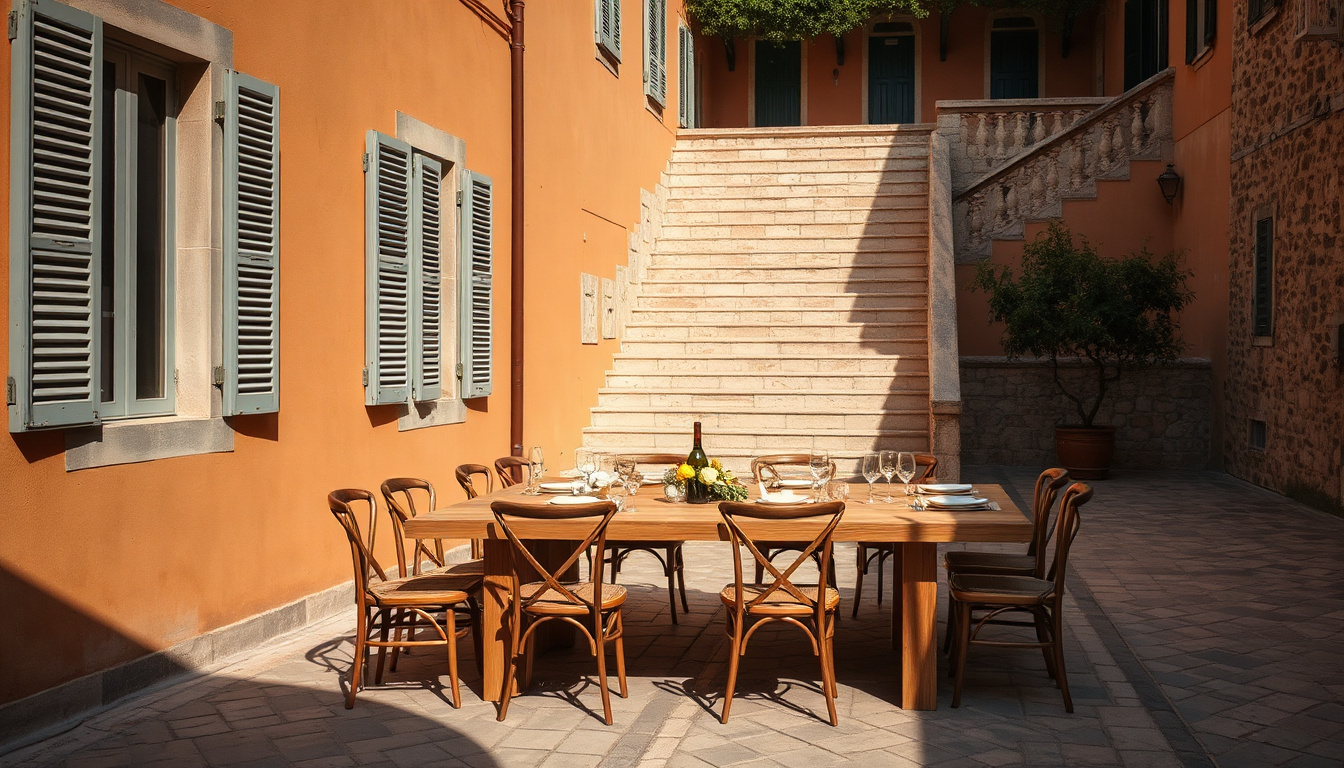
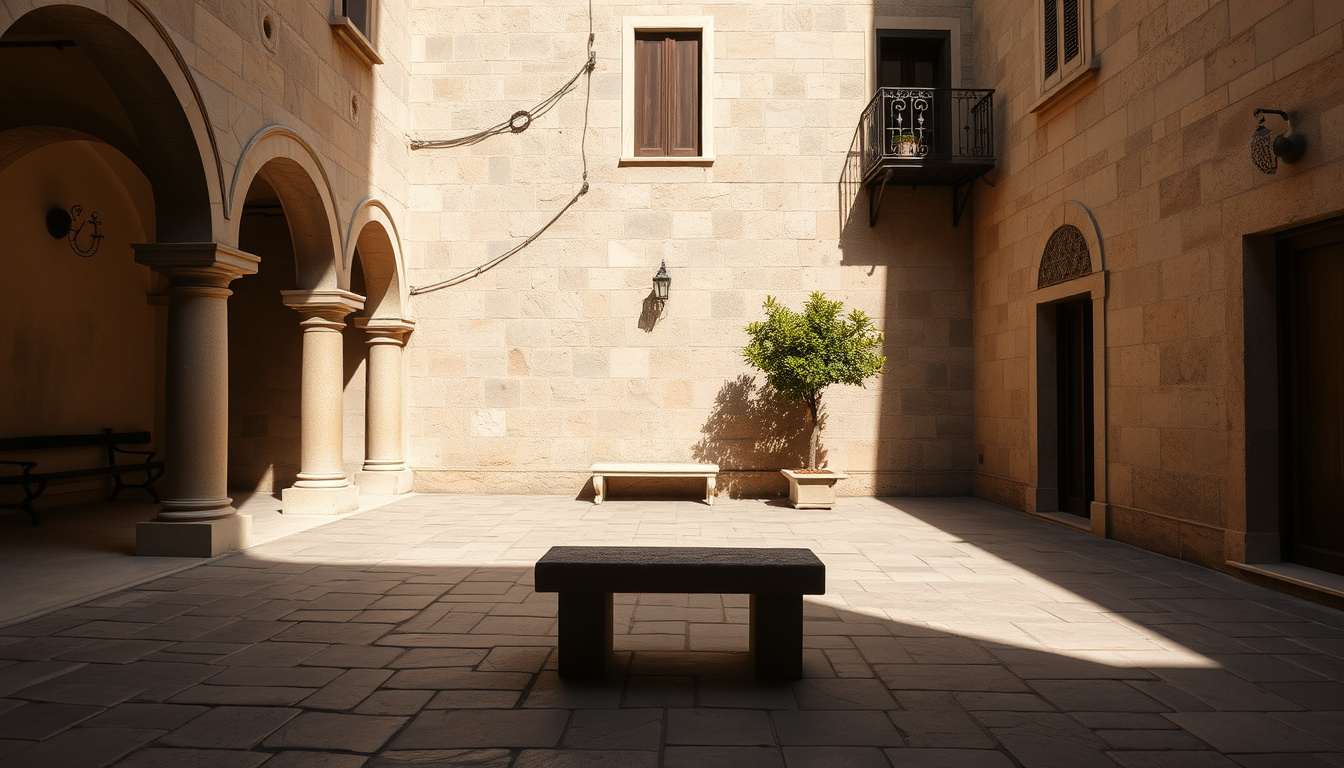
Palermo is a city of stone: dark setts, marble church steps, worn staircases in the Kalsa, gravel in a garden, sand at Mondello. None of it is difficult, but all of it is worth a sentence.
Suggest a second pair of shoes or a lower heel, particularly for a long day with a walk between two places. Say where the shade falls at the hour of the ceremony, and whether water will be handed out or should be carried. If your guest list includes grandparents or small children, name the practicalities rather than leaving people to discover them — planning around older guests and small children covers the surfaces, the steps and the timing in more detail.
Dress code, churches and the two-language problem
Dress is where a brief quietly goes wrong. Say what you would like, then say what the place requires. For a church, that is a question for the parish and not for a search engine: shoulders, knees and head coverings are decided locally, and the answer can differ from one parish to the next. Ask before you print.
For everything else, describe the day rather than a colour scheme. “Ceremony on grass, reception on stone, both outdoors until late” tells a guest more about their shoes and their jacket than any label.
If your guest list speaks two or three languages, have someone write the brief in each. It is a small job that prevents the most common misunderstanding of a Palermo day: half the group understanding when to leave and the other half still at the bar.
One paragraph about phones
Ask for one thing, in one paragraph, with a reason attached. Guests respond better to “we would love the aisle and the vows to be ours — please keep phones away until the aperitivo” than to a rule printed in capitals. The guide to an unplugged ceremony in Sicily sets out the wording options and what each one costs you in goodwill.
If you decide not to ask, that is a legitimate choice too — but then the brief does not need to mention phones at all, and the ceremony photographs will simply include the screens.
How to send it, and what to repeat
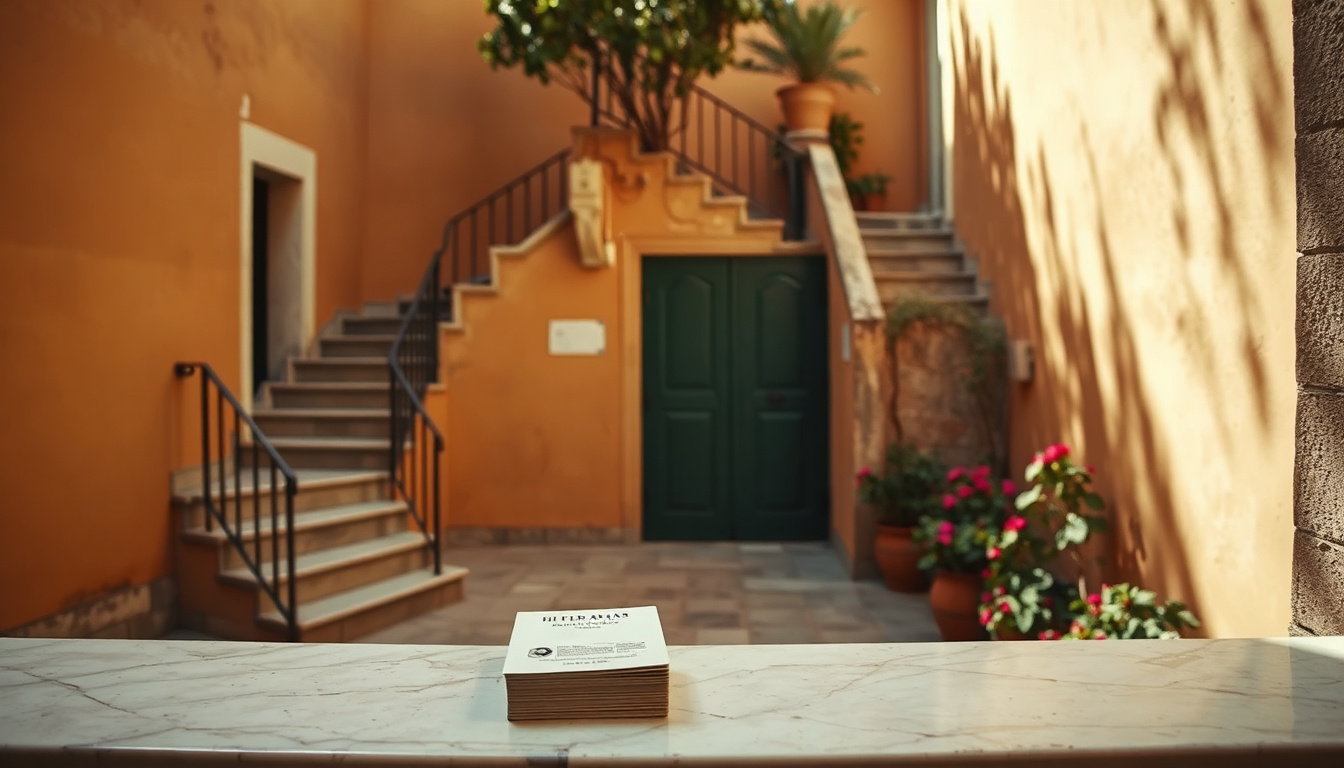
Three channels exist and each does one job well. A printed card with the invitation is kept and read at home, but read once, months early. A message two or three weeks before is read at the right moment and then buried under everything else. A small card at the welcome dinner or in a room arrives exactly when it is needed, but too late to change anyone's travel plans. Most couples do well with two of the three: the card, then a short message closer to the day.
A workable order for the page itself:
In the second message, repeat only the arrival time and the transport. The rest can stay on the card, where people can find it again.
- Arrival: the time to be there, and where exactly.
- Movement: the drop-off, the walk, the return, and who to call.
- Comfort: surfaces, shade, water and shoes.
- Dress: what you would like, plus anything the church asks for.
- Phones: only if you are making the request.
- The address, written out, with a map pin and a named contact.
What a briefed group looks like in the photographs
Guests who know where to be arrive early, sit down and stop checking their phones for a minute. The aisle stays clear. The exit happens once rather than three times because someone was still parking. At the reception, people find their places without a search party, and the older guests are comfortable enough to stay for the dancing instead of slipping away at the first chill.
None of that appears in the brief. It appears in the coverage: fewer gaps, less chasing, and more of the ten minutes either side of the moments that matter.
If you are planning a wedding in Palermo and want to talk through how the day will move — the ceremony hour, the walk between two places, the light at the end of the afternoon — tell me your date and the venue you are considering.
Frequently asked
- How far in advance should we send the timings?
- Put the date, the venue and the travel basics on the invitation, then send the precise arrival time and the transport details two to three weeks before. Ceremony hours are sometimes confirmed later than couples expect, so keep the second message short and easy to update rather than reprinting a card.
- Should the guest brief include a map?
- Yes, but never a map alone. A pin drops a guest in a street; the sentence beside it gets them to the right gate, especially around the restricted traffic zone in the centre. Write the address out in full as well, since guests will copy it into a phone.
- Do we need to arrange transport for everyone?
- That depends on whether the day splits between two places. If the ceremony is in the centre and the reception is outside it, guests without cars need a plan, and a coach cannot stop anywhere you point at. Ask the venue where vehicles can actually stop, then tell guests what to book if you are not arranging it.
- What should we say about children?
- Decide, then state the arrangement clearly rather than apologising for it. Say whether children are invited to the whole day, who is looking after them during the ceremony, and where the shade and water are. A short, factual line is kinder to parents than an ambiguous one they have to interpret.
Sources & further reading
Photographed across the whole island
See how a Sicilian wedding day is documented on the Destination Wedding Sicily home page, explore the location guides, or view the full Italian portfolio at rosariospadaro.com.
Check your dateKeep reading