Palermo Wedding Venues with Rooms for Guests: What to Check Before You Book
2 November 2026 · 8 min read · Rosario Spadaro
Rooms at the venue can simplify a Palermo wedding enormously, or quietly complicate it. The answer depends on three things: how many rooms the venue actually controls, who is obliged to fill them, and how your night ends. Central Palermo has few historic venues with bedrooms; the hotels and the country estates outside the city are where the one-roof version of a wedding usually happens. Establish which shape you are looking at before you fall for a building.
Three venue shapes, and only one of them sleeps your guests
Palermo is not a resort town with a bedroom wing attached to every ballroom. The venues couples shortlist here fall into three broad shapes, and each answers the accommodation question differently.
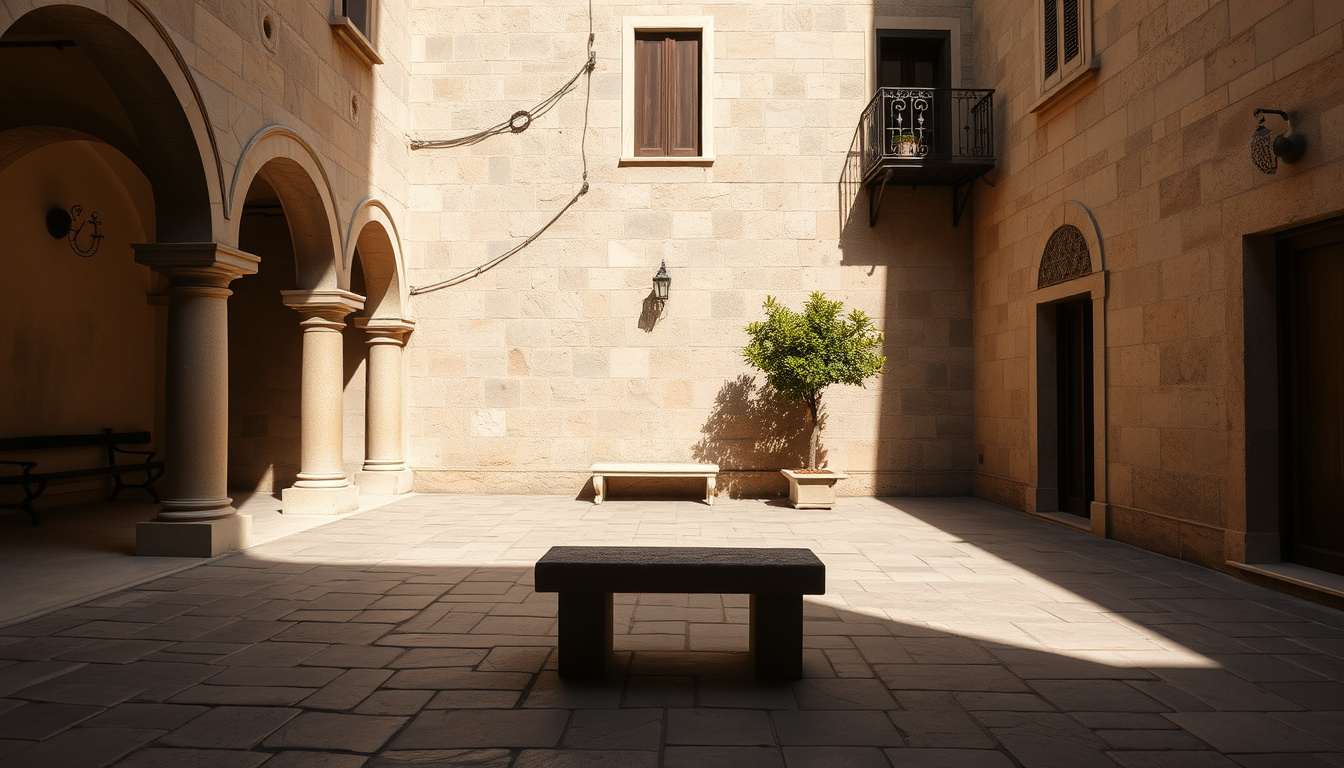
City palazzi and historic interiors. These sit in the centre — the Kalsa, the lanes around the cathedral, the streets off Piazza Marina. The rooms are large and the ceilings are high, and nobody sleeps there. Guests stay in hotels and arrive by taxi or shuttle. If you want everyone under one roof, this shape will not give it to you.
Hotels, in the city and along the coast at Mondello. Bedrooms exist, but your wedding is one event in a working hotel. You are likely to be offered a block of rooms rather than the building, and the hotel still answers to its other guests at one in the morning. Ask what else is happening that weekend.
Country villas and estates outside the city. These are the venues most likely to hold a set number of bedrooms — sometimes a dozen, sometimes fewer, occasionally enough for a large party. They offer the strongest version of the one-roof idea, and the strongest version of the isolation problem, which is the drive back into Palermo.
The room block: four numbers to get in writing
Accommodation at an Italian venue is usually a separate agreement from the wedding, even when the same family owns both. Four numbers decide whether it works for you.
Then ask the question that decides the risk: who carries the cost of rooms your guests do not take? Some venues pass that to you through an attrition clause, others simply resell the rooms. Get it in writing, and read the answer alongside whether the main room really holds your guest list — those two numbers are often settled in the same conversation.
- How many rooms exist, and how many are being offered. A venue with fourteen bedrooms may release ten and keep four for other business.
- How long they are held. A block is normally held for a set period and then released. Ask for the release date in writing and put it in your own calendar, because nobody will chase you about it.
- The minimum. Some venues ask for a minimum number of room nights, or a minimum stay across a weekend. That changes what you are actually committing to.
- The rate and what it includes. Per room per night or per person, breakfast included or not, any local tourist tax on top, and whether the rate is fixed at the time of booking or moves with the season.
Who actually fills the rooms
If you block thirty rooms and your guests book a small hotel near the Quattro Canti instead, you may be the one paying for the difference. Before you promise anyone a bed, work out who genuinely wants to sleep where the wedding is.
In practice, three groups tend to fill a venue block: immediate family, guests travelling a long way who would rather not organise anything themselves, and the friends who will be the last to leave. Three groups often resist it: guests who want a city weekend, anyone with small children who needs a separate room or a kitchen, and couples who would rather choose their own hotel.
It is worth saying plainly what the venue is when you tell people about it: a country estate outside Palermo with nothing within walking distance, or a hotel on the coast road with the sea across the street. Guests make better decisions with that one sentence than with a booking link on its own.
The end of the night is where the rooms earn their place
Sicilian wedding dinners run long, and the dancing that follows runs longer. The real value of a bed fifty metres from the party is not the morning; it is the hour between one and two, when a hundred people need to leave at once.
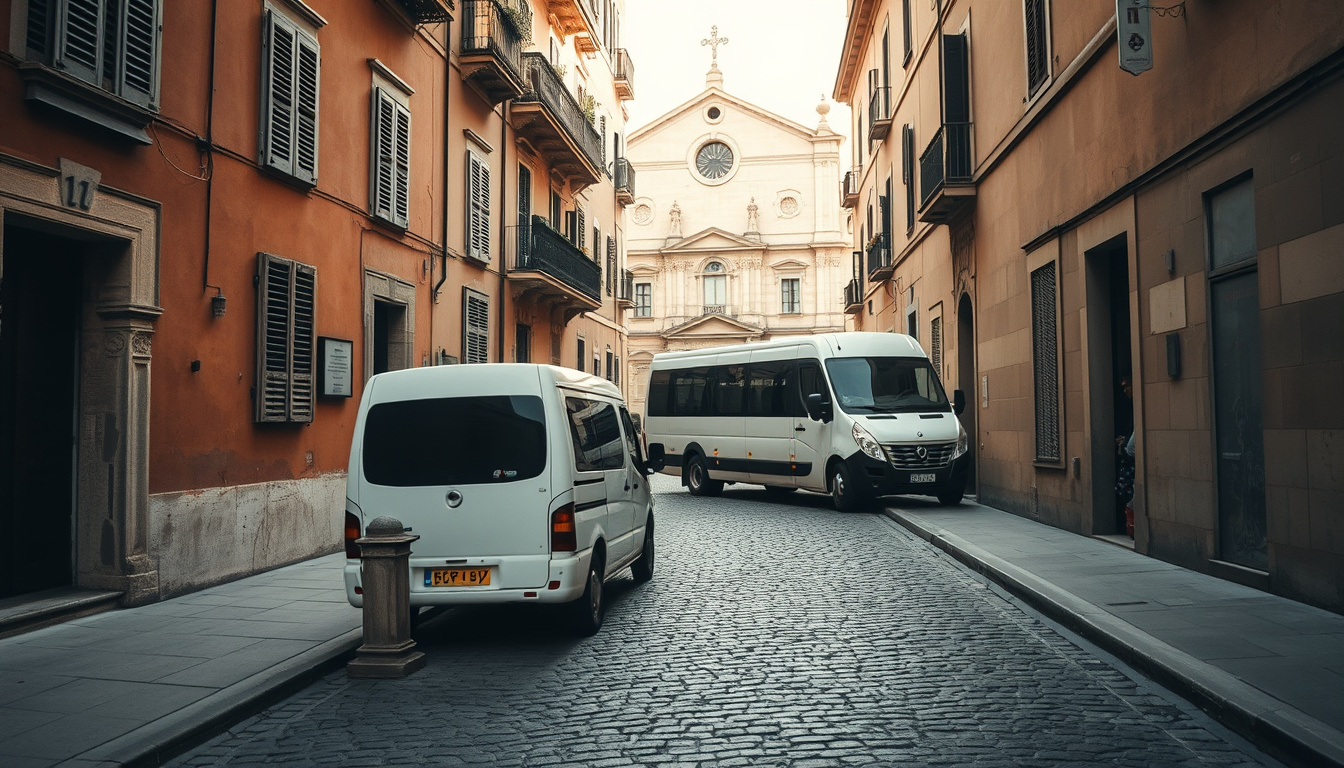
If the venue is in the city, that hour is a taxi problem: narrow streets, a queue, and a few guests who decide to walk. If the venue is outside Palermo, it is a shuttle problem: coaches booked to run twice, and a last run nobody wants to be on. Either can be solved, but both are easier when a good share of the guest list simply goes upstairs. It is worth reading how a Palermo wedding day moves between the centre and the coast before you fix a plan.
An illustrative weekend with rooms on site
What follows is an illustrative shape, not a schedule to copy. It depends on your date, the venue, the ceremony hour and what your suppliers can do; it simply shows what changes when the venue sleeps your guests.
- Friday. Guests land at Palermo airport and check in on site rather than into the city. The welcome dinner happens at the venue, which removes a transfer from the weekend rather than adding one. Anyone who wants the city takes a taxi in and comes back when they like.
- Saturday morning. Getting ready happens in the rooms upstairs. Nobody waits for a car, and the last hour before the ceremony is spent on the terrace rather than in traffic.
- Saturday evening. Ceremony, aperitivo, dinner, dancing. At the end, guests walk to their rooms, and one small shuttle takes anyone staying elsewhere back into Palermo.
- Sunday. Breakfast becomes the second half of the wedding, and often the part guests mention afterwards. Departure is slow, which helps if the flights home leave in the afternoon.
What rooms on site change about the photographs
Three practical consequences, and one that is harder to describe.
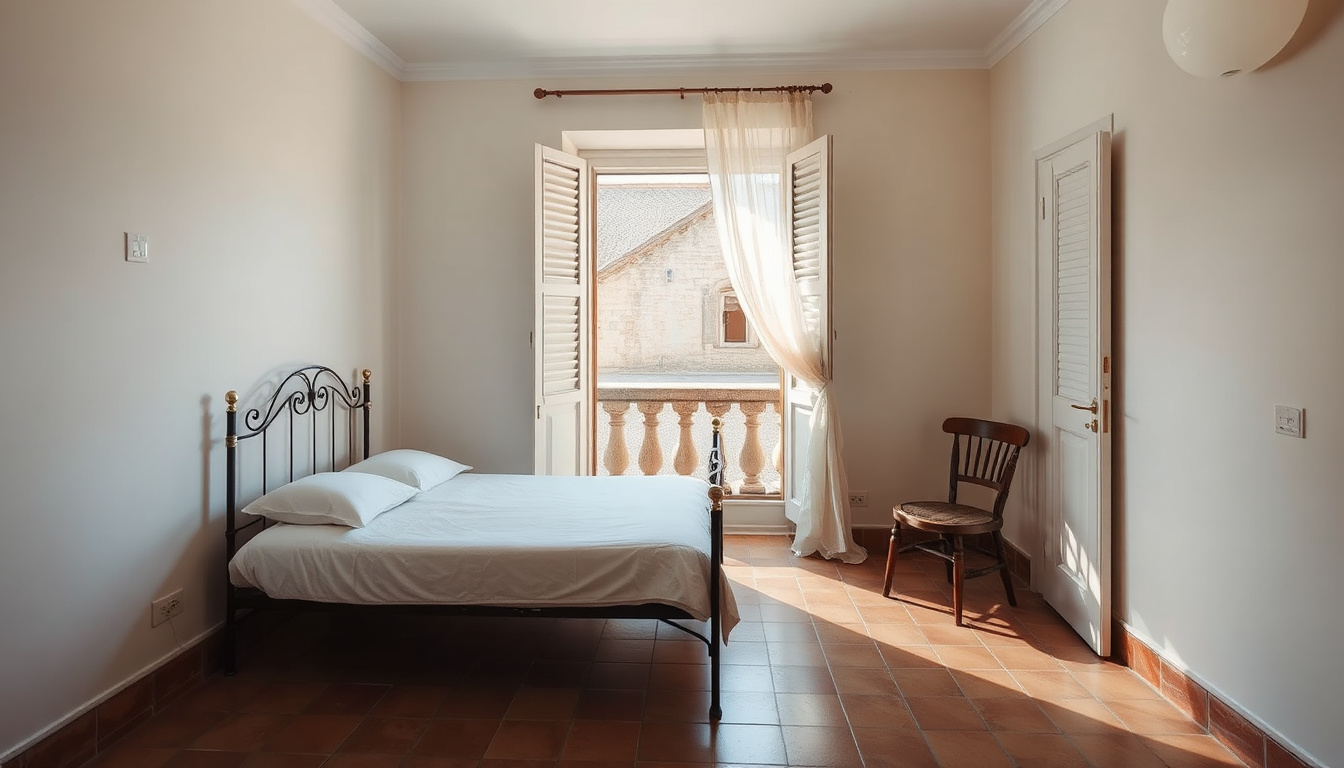
The first is the getting-ready room. A hotel room or a villa bedroom is a known quantity: you can see the light in it before the day, and you can decide whether you and your guests dress in the same building. A room with one small window and a yellow bulb is a genuine constraint, and it is easier to solve in advance by moving the last part of the morning somewhere brighter.
The second is the gap that never happens. When guests sleep on site there is no transfer window in the middle of the day, so the time between the ceremony and dinner stays available — for the two of you, or simply for the aperitivo to run at its own pace. That is usually worth more than any additional location.
The third is the end of the night: guests who are staying put tend not to leave early.
The last one is quieter. A venue people have lived in for two days becomes recognisable in the photographs, and a picture of the courtyard on Saturday evening carries the memory of breakfast there on Sunday morning.
Questions to send the venue before you shortlist
Send these as a numbered list in one email. Answers come back more completely that way, and you end up with a written record you can compare against the next venue.
- How many rooms does the venue have, and how many would be held for our dates?
- Who signs the contract for a room — us, or each guest individually?
- Is there a minimum number of room nights, or a minimum stay?
- What happens to rooms our guests do not take, and on what date are they released?
- Is breakfast included, and is the rate per room or per person?
- Can we see the rooms we would actually be given, not the best one?
- What time is check-in, and can we get into a room in the morning to get ready?
- Is anything else taking place at the venue that weekend?
- What is the arrangement at the end of the night for guests staying elsewhere?
Arranging it from another country
Accommodation is the part of a Palermo wedding that is easiest to get roughly right and hardest to get exactly right from abroad. Three habits help.
Ask for one named contact for rooms , separate from the events contact. They are often different people, and the rooms contact is the one who can tell you what is genuinely left.
Set your own deadline, comfortably before the venue's. If unbooked rooms are released on a set date, give your guests a date earlier than that. Put the booking instructions, your deadline and the venue's location on the same page as your save-the-date, and say what is within walking distance — which, for most estates outside Palermo, is nothing.
Keep the two contracts apart. The wedding contract and the room agreement can carry different cancellation terms, different deposit schedules and different people to chase. Read both, and confirm in writing what happens if the date moves. If you are still weighing a base in the city against rooms at the venue, read where your guests should stay for a Palermo wedding first, and the Palermo destination guide for the wider picture.
If you are weighing a venue that sleeps your guests against one in the city, tell me your date, the rough shape of the weekend and where you are thinking of holding the ceremony. I can tell you how a day like that tends to move, where the light falls at the hours you are considering, and what I would want to know before you sign. Check your date in Palermo.
Frequently asked
- Do Palermo wedding venues usually have rooms for guests?
- Some do, many do not. Historic palazzi in the centre are almost always event-only, while hotels in the city and along the coast at Mondello have bedrooms as part of their normal business. Country estates outside Palermo vary: some hold a handful of rooms, others none at all. Ask directly rather than inferring it from photographs.
- Should we pay for our guests' rooms?
- That is a budget and family decision, not a venue one. What matters is not promising rooms you cannot fill: if the venue applies an attrition clause, unsold rooms may fall to you. Decide first whether you are blocking rooms for guests to book themselves or paying for a set number, and get the difference confirmed in writing.
- Can we get ready at the venue on the wedding morning?
- Often yes, but check-in times and housekeeping decide it. Ask whether you can have access to a room before the standard check-in hour, whether it is the room you will sleep in that night, and whether it has enough daylight to work in. If not, plan to dress elsewhere and arrive.
- Does staying on site change the photographs much?
- Mainly by removing a transfer. There is no window in the middle of the day when everyone has to move, so the aperitivo and your own portraits can happen at their own pace. You also get a getting-ready room you have seen in advance, and guests who stay to the end.
- What if half our guests would rather stay in Palermo?
- That is workable and common. Treat the venue as one base and the city as the other, and run a single shuttle at the end of the night rather than a fleet. Tell each group clearly how they get home, and check the route and timings with the venue before you publish anything.
Sources & further reading
Photographed across the whole island
See how a Sicilian wedding day is documented on the Destination Wedding Sicily home page, explore the location guides, or view the full Italian portfolio at rosariospadaro.com.
Check your dateKeep reading