Wedding Photography and Video in Sicily: How the Two Can Share One Day
25 November 2026 · 8 min read · Rosario Spadaro
Yes, a Sicilian wedding can carry both — provided you settle the order of priority before the day and agree where each camera stands. The friction is rarely between the photographer and the videographer; it is between the schedule and the light. Two crews need one shared plan, a named person coordinating them, and a way to record vows without a microphone arriving at the altar mid-sentence. This is what to arrange, and what to ask before you book either.
Start with what the film is for
Stills and film answer different questions about the same day. Photographs give you fragments: a hand on a shoulder, the second before an answer, a father in the third row watching. A film gives you continuity — voices, the sound of the room, the way the light changed while nobody was looking.
That difference should decide how much space you give video. If the honest reason for booking a film is to include relatives who cannot fly, work out whether they want to watch the day as it happens or watch an edited record weeks later. Those are separate jobs. A live feed needs a stable camera, decent sound and somebody responsible for it; a wedding film needs a crew who know where to stand.
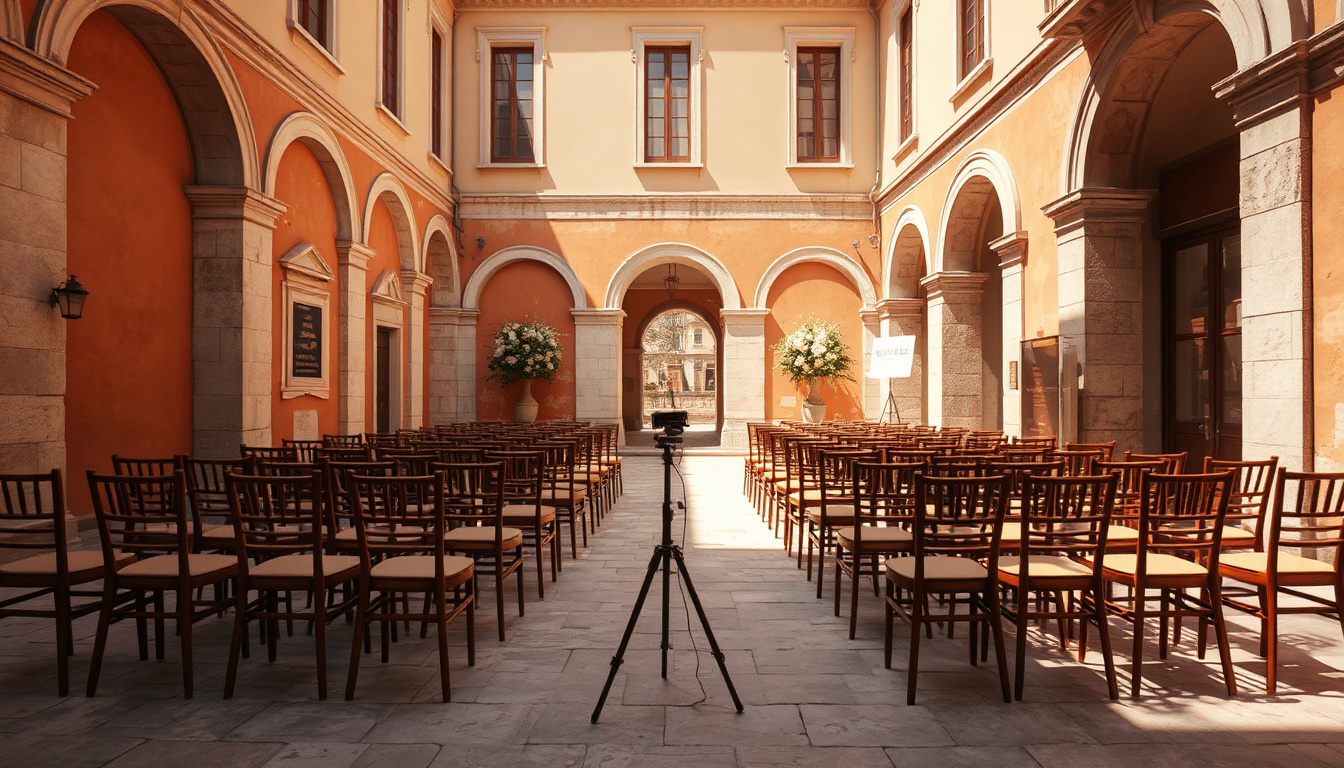
There is an arithmetic to it too. Every additional operator takes up a position, and a Sicilian ceremony space — a baroque church, a small civil room, a courtyard with one good axis — only holds so many. Two people filming discreetly are usually invisible. Five are a production, and they change the atmosphere of the room you are standing in.
Where two cameras can actually stand
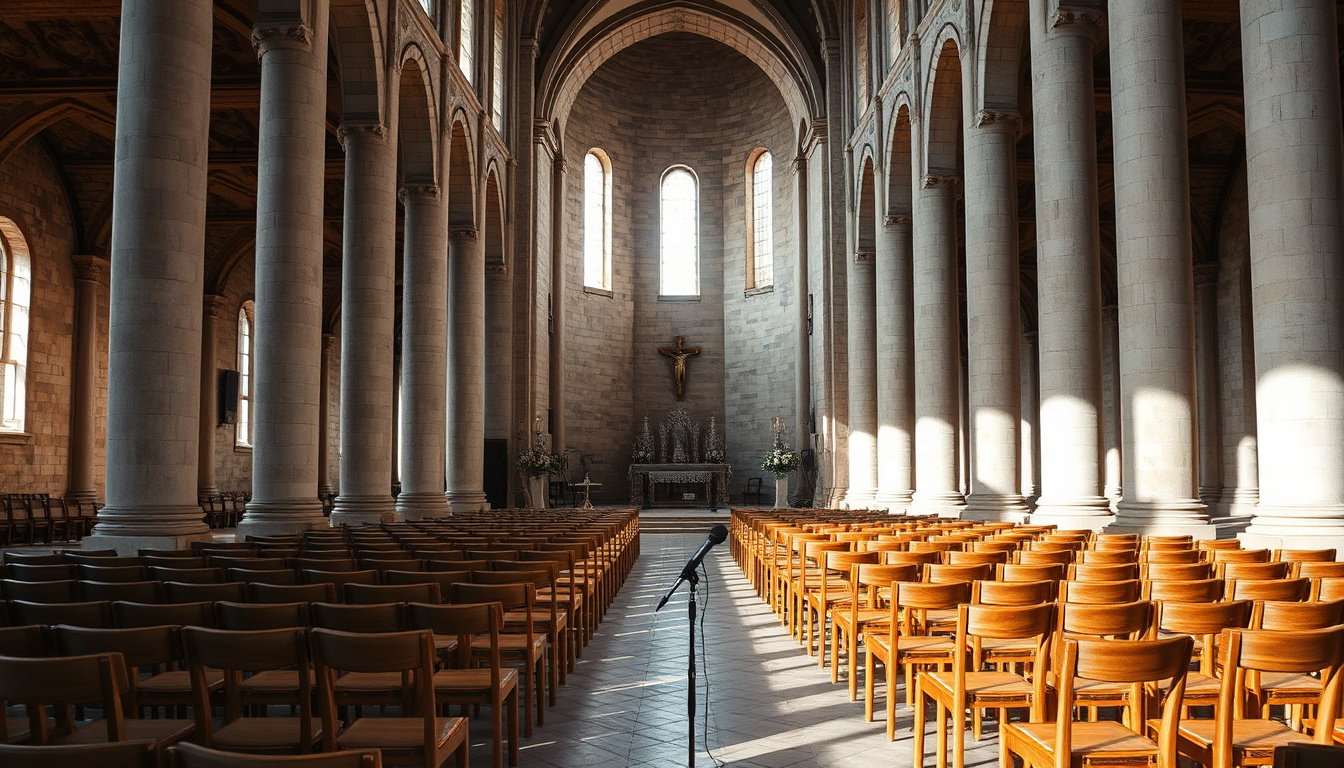
Ask this before you ask about style. In a church, the parish decides where a photographer or film crew may stand, whether tripods are allowed, whether flash is permitted near the altar and how close anyone may come to the celebrant. Those rules are set locally and they are not renegotiated on the morning. Write to the parish office, get the answer in writing and pass it to both suppliers.
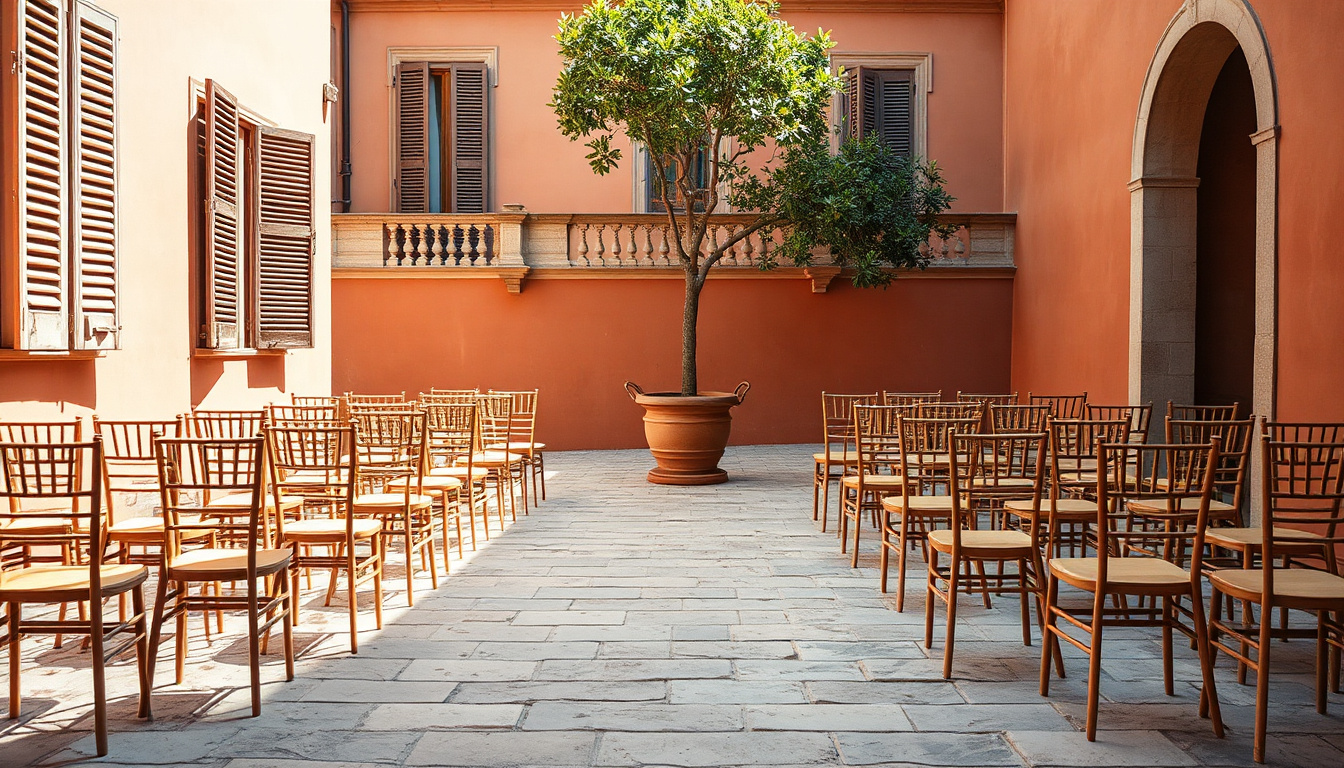
Civil ceremony rooms are often smaller than they look in photographs: a fixed desk, a limited axis, guests seated close enough that anyone standing blocks somebody's view. Outdoors the constraint is the sun. A videographer who wants to film your faces during the vows will either stand behind the celebrant — and appear in the background of the photographs — or in the guests' sightline.
The aisle is the one place where two suppliers can genuinely spoil each other's work. Decide in advance who takes the centre and who works the edges. A workable arrangement is a videographer holding a fixed position at the side or the back with a long lens while the photographer moves quietly along the edges. It costs nothing and it protects the ten minutes everyone looks at most.
Guests' phones belong in the same conversation, because a raised screen at the end of the aisle is a camera too. If you want the aisle clear, say so before the day rather than in the moment.
Three arrangements, compared
Whatever you choose, ask what the extra person is actually buying you. Often it is a second angle and a second audio source, which are real improvements. Occasionally it is a second operator standing where the first one already stands.
If you are still working out how many hours of stills coverage the day needs in the first place, that is a separate decision worth settling first, because it sets the frame both crews work inside.
- Photographer only. The most discreet version of the day, and the one where nothing has to be repeated. What you give up is voices and the sound of the room — usually what couples miss most when they watch a gallery back.
- Photographer plus one documentary videographer. One extra person, handheld, no lights during the ceremony, small microphones placed in advance. This is the version that fits a church or a narrow courtyard without anyone noticing. It asks the videographer to accept that stills are the primary record and to work around them.
- Photographer plus a two-person film crew. A second angle, a second audio source and usually lighting for dinner and speeches. Better coverage of the ceremony, more people in the room, more coordination — the two of them need to know where the photographer will be at each point of the day, not merely in principle.
The lighting problem at dinner
A stills photographer can work in light that looks almost black to the eye, because a single frame needs a fraction of a second. Film needs continuous light for a continuous image. That difference shows up at dinner, in the courtyard, under the trees, and in the hour when speeches usually happen.
Ask the crew what they intend to use after dark: panels, small LEDs on stands, or nothing at all. Ask where those lights will stand relative to your table and your guests' faces, whether they dim, and whether they are matched to the colour of the room. Mixed light is the reason a photograph and a film of the same speech can look like two different evenings.
Candles, festoon bulbs and low lamps photograph beautifully. On film they are usually not enough on their own. If speeches matter to you — and they usually do — agree a window for them with both suppliers, then tell the people speaking what that window is, including the ones who will be nervous about it.
Sound is where most films fail
Vows are quiet. Readings are read from a card held low. A ceremony in two languages puts half of its content in a voice that may be several rows from any microphone. A camera in the right place solves none of this; a microphone does.
There are three ordinary solutions and they are usually combined. A small clip microphone on the celebrant, if the parish or venue allows it. A discreet recorder placed near the two of you during the vows, running before guests arrive. And the room's own sound system, where there is one, for readings and speeches.
Ask who is responsible for each of those, and ask what the fallback is. Placing a microphone takes five minutes, but it has to be written into the running order rather than squeezed in as guests sit down. On the coast, or in a courtyard with a breeze, a microphone without wind protection records little but weather.
An illustrative shape to a day with both
The sequence below is illustrative, not a prescription. The month, the ceremony hour, the distance between the church and the reception, and each supplier's own requirements will all move it.
- Morning. The film crew arrives once hair and make-up are under way, not before, so the getting-ready room does not become a set.
- Before the ceremony. Microphones placed and tested while the ceremony space is still empty.
- Ceremony. One photographer moving along the edges, one videographer holding a fixed position. Neither crosses the centre.
- The minutes afterwards. Guests come to you and both cameras work the greetings. This is where family group photographs can be made without stealing the aperitivo.
- Couple portraits. A short walk, with the videographer filming two or three moments and then stepping back so the photographs are not performed.
- Speeches. Before the light leaves the sky, with the microphone plan already agreed.
- Dinner and dancing. The crew's lights come up, one camera works close and one holds wide — and both leave you alone.
What to agree in writing, from another country
Send the same short list to the photographer and the videographer, and put the venue-specific questions to the venue.
Booking from abroad, ask to see a complete film from one wedding rather than a ninety-second edit. A full film shows how that crew handled a two-language ceremony, a windy courtyard and a dark dining room, which are the three situations that separate one videographer from another. Ask the same of your photographer, and read the answers together.
If you are still deciding, send me your date, the location and what you want the record to do — a film for relatives who cannot travel, a live feed, or photographs only. I will tell you plainly how photography and film would sit alongside each other in that particular place.
- Who exactly will be filming, how many people will be present and for how long.
- What the venue requires of an external film crew: access times, permitted positions, power, any accreditation — confirmed by the venue rather than assumed.
- Whether a drone is permitted at this location and who authorises it. Churches, historic interiors, protected coastline and private estates are separate cases; do not assume an answer either way.
- The sound plan: which microphones, who places them, who tests them and what happens if one fails.
- Whether the two suppliers will speak to each other before the day. A short call a few weeks out prevents almost every collision.
- What you are buying — a full ceremony film, a highlights edit, or both — and how the audio is treated in each.
- Meals and breaks for both teams during a long Sicilian dinner. Ask the venue and the caterer directly; arrangements differ from one place to the next.
Frequently asked
- Can we have a photographer and a videographer without the day feeling like a film set?
- Usually yes, if you keep the crew to two or three people, place microphones before guests arrive and agree positions for the ceremony in advance. A day starts to feel staged when someone is asked to repeat an entrance or a kiss. A documentary crew will not ask, so the risk is mostly about numbers and lighting.
- Will a videographer get in the way of our photographs?
- Only where positions are not agreed. The real conflicts are the centre of the aisle, the few minutes straight after the ceremony, and dinner lighting. Settle those three in writing and each record supports the other. Where they cannot be settled, the ceremony itself should take priority over both cameras.
- Do we have to feed the photo and video teams?
- Ask each supplier directly, and ask the venue at the same time. Sicilian wedding days run long, and a team working through dinner needs a plan. Many venues and caterers have a routine for supplier meals, but the detail belongs to them to confirm rather than something to assume.
- Is a drone worth adding to a Sicilian wedding?
- Sometimes, but permission comes first. Rules differ between parish churches, historic centres, protected coastlines and private estates, and authorisation usually needs lead time. Ask the venue and the relevant authority before paying for aerial filming, and do not treat a drone as a substitute for good coverage on the ground.
Sources & further reading
Photographed across the whole island
See how a Sicilian wedding day is documented on the Destination Wedding Sicily home page, explore the location guides, or view the full Italian portfolio at rosariospadaro.com.
Check your dateKeep reading