How Much Wedding Photography Does a Sicilian Wedding Need?
28 September 2026 · 7 min read · Rosario Spadaro
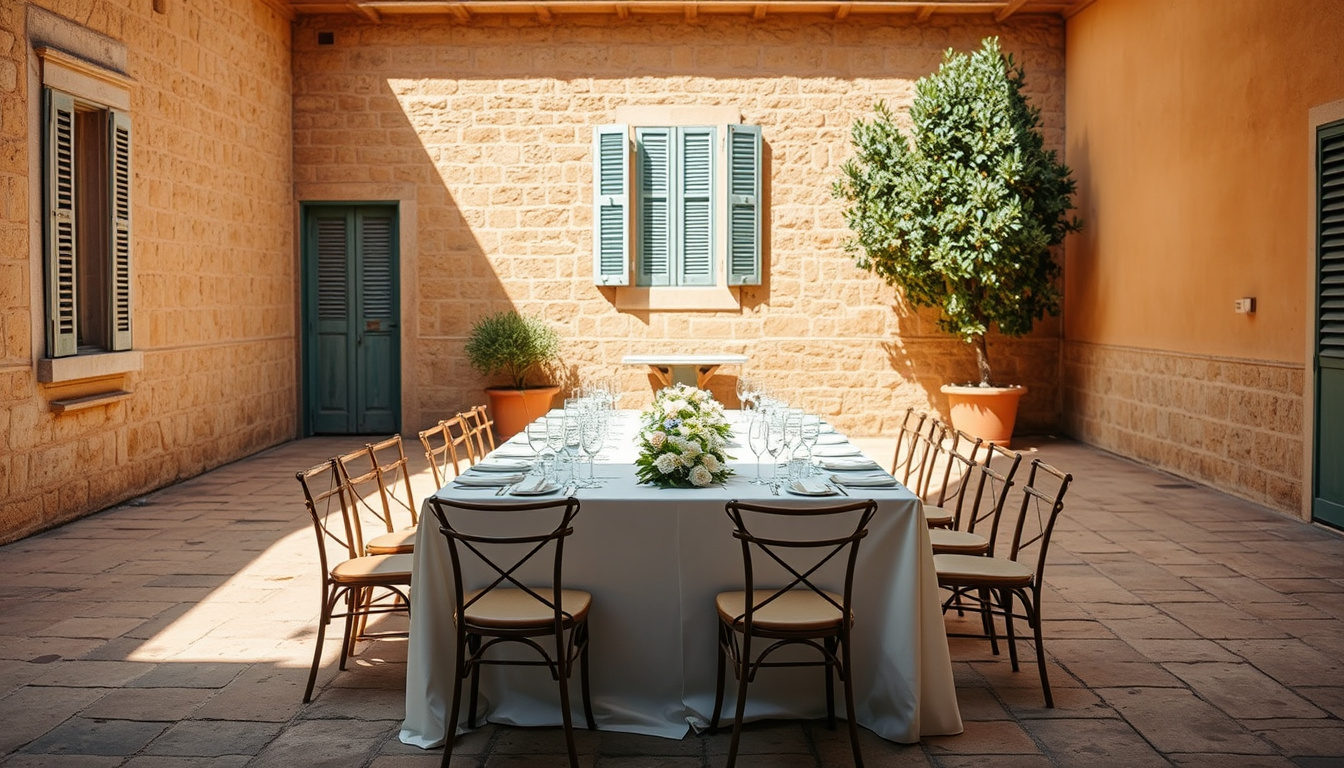
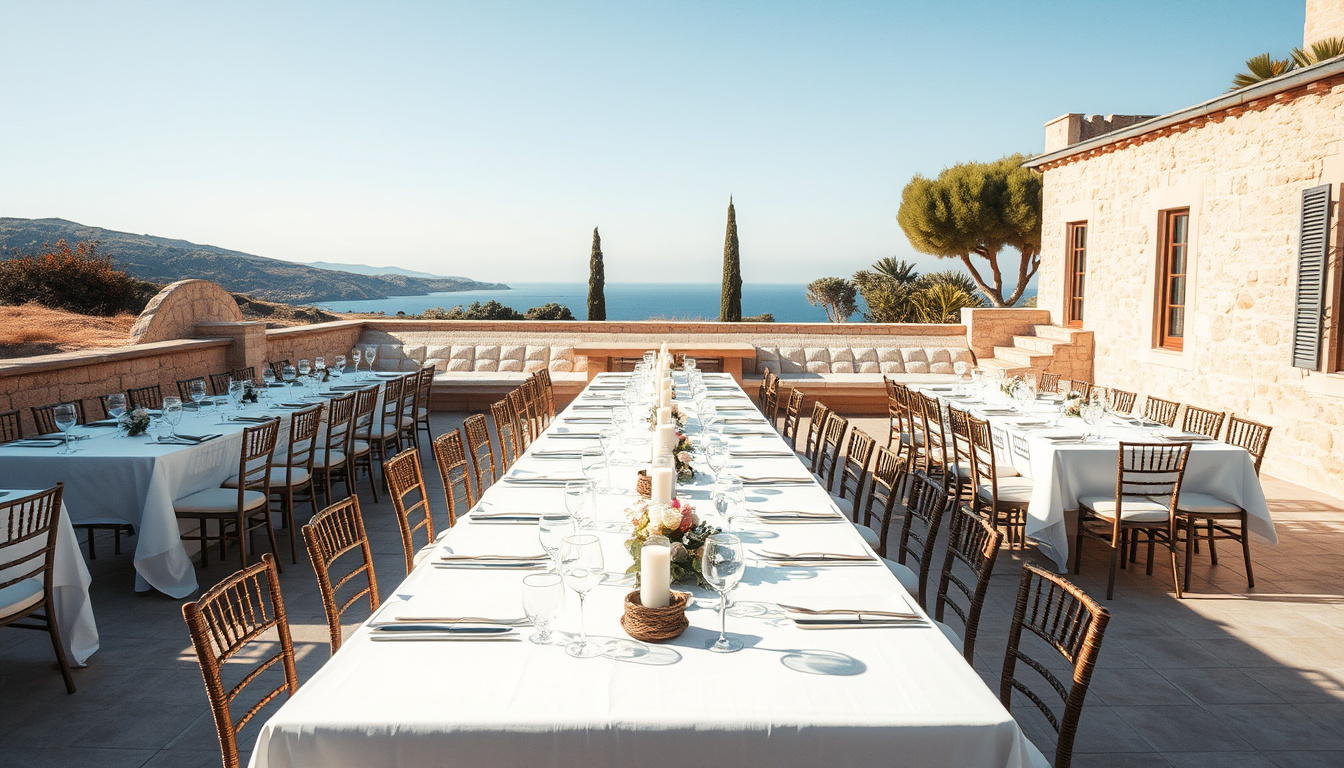
Most couples ask this from the wrong end. Rather than work out how many hours to book, start by looking at what your Sicilian wedding day will actually do — where it begins, when it peaks and when it ends. The shape is usually long: a slow morning, a ceremony in the late afternoon, dinner after dark, dancing well past midnight. At the end, the part you will want most is the part that happens last. Coverage should follow the day, not the other way round.
Why a Sicilian wedding day runs longer than you expect
The first thing to understand is that a Sicilian wedding day usually has a long middle. Guests arrive, the ceremony happens, and then everyone stays — for drinks, for photographs, for dinner, for the cake, for the dancing. There is rarely a single moment when the celebration is finished and people simply leave.
Two practical things stretch the day. The first is heat. Through the summer months, ceremonies tend to drift towards late afternoon and early evening, when the sun has softened and guests can stand comfortably outdoors. In winter the light goes early instead, and the whole sequence pulls forward. The season you choose changes the shape of the day more than almost any other decision, and I have written about it month by month in the best time of year for a wedding in Sicily.
The second is the meal. A Sicilian wedding dinner is long, generous and unhurried, with courses and speeches interleaved. Cake arrives late, and dancing follows the cake. If you want photographs of your guests at their most relaxed, they will happen towards the end of the night rather than in the early evening.
The parts of the day, and what each one asks of coverage
Coverage is far easier to judge once you stop thinking in hours and start thinking in parts. Most wedding days I photograph break into five.
If your coverage does not reach that last part, you will not have it. It is usually the single most important line in a quote.
- Preparation. Hair, make-up, the dress or the suit, and the last quiet minutes with the people closest to you. This is usually the calmest part of the day, and it is where the smallest details live.
- The ceremony. Guests arriving, the ceremony itself, and the moments in between. A documentary photographer stays out of the way here; the coverage is of what happens, not of a performance for the camera.
- The gap afterwards. Drinks, congratulations, embraces. It is often the richest half hour of the whole day, and it costs nothing in the schedule.
- Dinner. Entrances, speeches, courses, the cake. Not much happens visually for long stretches, and that is fine — the photographs here are of faces, tables and atmosphere.
- The party. First dance, dancing, and the hours when everyone finally relaxes. This is also the darkest part of the day, which is a photographic question rather than a scheduling one.
An illustrative sequence, from morning to the small hours
The order below is a shape I see often in Sicily, not a schedule to copy. Your date, your venue and the light will move every line of it, and a winter wedding will run several hours earlier.
Read that list against any quote you receive and ask where the coverage stops. If it ends after the cake, it ends before the dancing.
- Early afternoon — preparation begins, in one place or two.
- Late afternoon — guests arrive; the ceremony.
- Immediately after — drinks and congratulations outside.
- Early evening — portraits, if you want them, while the light is still warm.
- Evening — dinner, speeches and cake, usually after dark.
- Late — first dance and dancing, with the final hour often the best of the night.
Full day, partial coverage or something longer: the trade-offs
There is no correct number of hours. There are only different kinds of story.
If you are torn, decide which two parts of the day matter most and work outwards from there. A three-day wedding weekend often changes the answer, because the welcome dinner starts to carry some of the weight that the wedding day would otherwise hold alone.
- A few hours around the ceremony suits elopements and very small weddings. You get the ceremony, the congratulations and a short portrait session. You do not get dinner, speeches or dancing.
- A continuous full day , starting with preparation and ending during the first part of the dancing, is what most couples choose, because it holds the whole arc of the day together. The trade-off is attention: one photographer working across a long day moves from a window-lit bedroom to a dark dance floor, and each of those needs something different.
- A multi-day celebration adds the welcome dinner and the farewell, and photographs the parts of the trip your guests will remember. It gives you more pictures of the weekend, but it does not change how much of the wedding day itself is covered.
When a second photographer earns their place
A second photographer is not an upgrade by default. It is a solution to a specific problem.
It earns its place when you are getting ready in two different places, when the guest list is large enough that one person cannot read the room and watch the schedule at the same time, when the day includes a long transfer between ceremony and reception, or when the ceremony space leaves a single photographer almost no room to move. It also helps if you have asked for formal portraits and guest photographs that both need to happen in the same twenty minutes.
It is less useful when the whole day happens in one place with a small guest list. In those weddings a second person often produces the same pictures from a different angle, and the calm of a single pair of eyes is worth more.
What to ask before you book, especially from another country
Most surprises in coverage come from unasked questions rather than from style. Send these to any photographer you are considering, and ask for the answers in writing:
You cannot visit in person, so the answers matter more than the tone of the reply. A photographer who can describe your venue, your ceremony time and your guest numbers back to you has understood your day; one who only sends a list of collections has not. There is more on comparing people remotely in how to choose a wedding photographer in Sicily when you live abroad.
- Are the hours continuous, or can they be split around a long gap in the day?
- Does travel between locations count inside the coverage window?
- What happens if the dancing is still going when the coverage ends — can it be extended, and at what point would we need to decide?
- What is actually delivered: how many photographs, in what form, and when?
- Have you photographed at this venue, and if not, how will you prepare for it?
- What will the light be doing at our ceremony time, given the month?
- Is a second photographer included, optional, or unnecessary for a day like ours?
- What is the plan if it rains, and does that change the coverage?
What I look at when I decide how to cover a day
When couples ask me how much coverage to book, I am usually thinking about four things.
The first is where the ceremony sits in relation to the light. A ceremony in the late afternoon gives us portraits immediately afterwards without rushing; a morning ceremony moves everything forward. The second is when dinner begins, because that decides whether the party photographs happen in complete darkness — not a problem, but it changes how I work and what I carry. The third is movement: whether guests stay in one place all day or whether there is a transfer that will quietly absorb an hour of coverage. The fourth is the two of you — whether you want ten quiet minutes alone on a terrace, or would rather stay in the middle of the party throughout.
None of these are reasons to book more hours. They are reasons to book the right ones. A day covered attentively for eight hours will give you more than a day covered distractedly for twelve. You can see how I structure coverage options if it helps to compare.
If you would like to talk through how much of your day to cover, tell me your date, your venue and the two parts of the day that matter most to you. You can check your date and tell me what you are planning.
Frequently asked
- Is ten hours of coverage enough for a Sicilian wedding?
- It usually covers the spine of the day, from preparation through to the first part of the dancing. Whether it is enough depends on two things: when your ceremony starts and when dinner ends. In the illustrative sequence above, ten hours from early afternoon can finish just as the party begins. Ask what the window includes, not only how long it is.
- Do we need a second photographer?
- Only if there is a reason. Two preparation locations, a large guest list, a tight schedule with a transfer, or a ceremony space where one person cannot cover both of you. For an intimate wedding in a single venue, one photographer who knows the day well usually produces a quieter and more complete set of pictures.
- Should we also book coverage for a welcome dinner?
- That is a separate decision from the wedding day. A welcome dinner is relaxed and informal, and often where your guests are most themselves, so a few hours of coverage can be worth it, particularly if people have travelled a long way. If the budget has to choose, protect the wedding day first.
- Can we add an hour on the night if the dancing is still going?
- Ask before you book, and get the answer in writing. What is possible on the day depends on the photographer's other commitments, and some agreements set out overtime separately. It is also worth agreeing who would make that decision and how they would reach the photographer at midnight.
Sources & further reading
Photographed across the whole island
See how a Sicilian wedding day is documented on the Destination Wedding Sicily home page, explore the location guides, or view the full Italian portfolio at rosariospadaro.com.
Check your dateKeep reading