Where to Take Wedding Photographs in the Val di Noto
3 October 2026 · 9 min read · Rosario Spadaro
Choose one Val di Noto town for your couple photographs, not three. Noto, Ragusa Ibla, Modica, Scicli and the coast at Marzamemi sit close together on a map, but moving between them costs exactly the light you planned your day around. The most reliable approach is a single setting, reached on foot rather than by car, in the last two hours before sunset. What follows is how each town behaves, and what to confirm before you fix a route.
One town, not four: the decision that shapes everything else
Noto, Ragusa Ibla, Modica and Scicli occupy a compact corner of south-eastern Sicily, and Marzamemi sits on the coast a short way from Noto. On a map they look like an easy afternoon. In practice, each move between them means a drive, somewhere to leave the car outside the historic centre, and a walk in and back out again. The return leg tends to fall exactly when the light is at its best.
So the first decision is not which town is prettiest. It is whether you want to be photographed in one place or to spend part of your wedding day in a car. If your ceremony is in Noto and your reception is outside the town, which is common because the historic centres have few large reception spaces, you already have a drive built into the day. Adding a second town on top of that is where most portrait plans begin to strain.
A practical test: can you stand at the ceremony door, walk to the reception, and stop somewhere on the way that you would be happy to be photographed in? If yes, that is your route. If not, choose the single setting that matters most to you and build the rest of the day around it.
What each town gives you, and what it asks in return
These towns are baroque and built from the same pale local stone, but they behave differently at the end of the day. A rough comparison:
A general rule: the better known the town, the more people will be in your frames. That is not automatically bad. A Sicilian evening happening around you is part of the day. But if empty streets matter to you, plan for early morning instead, or accept the crowd and let it into the photographs.
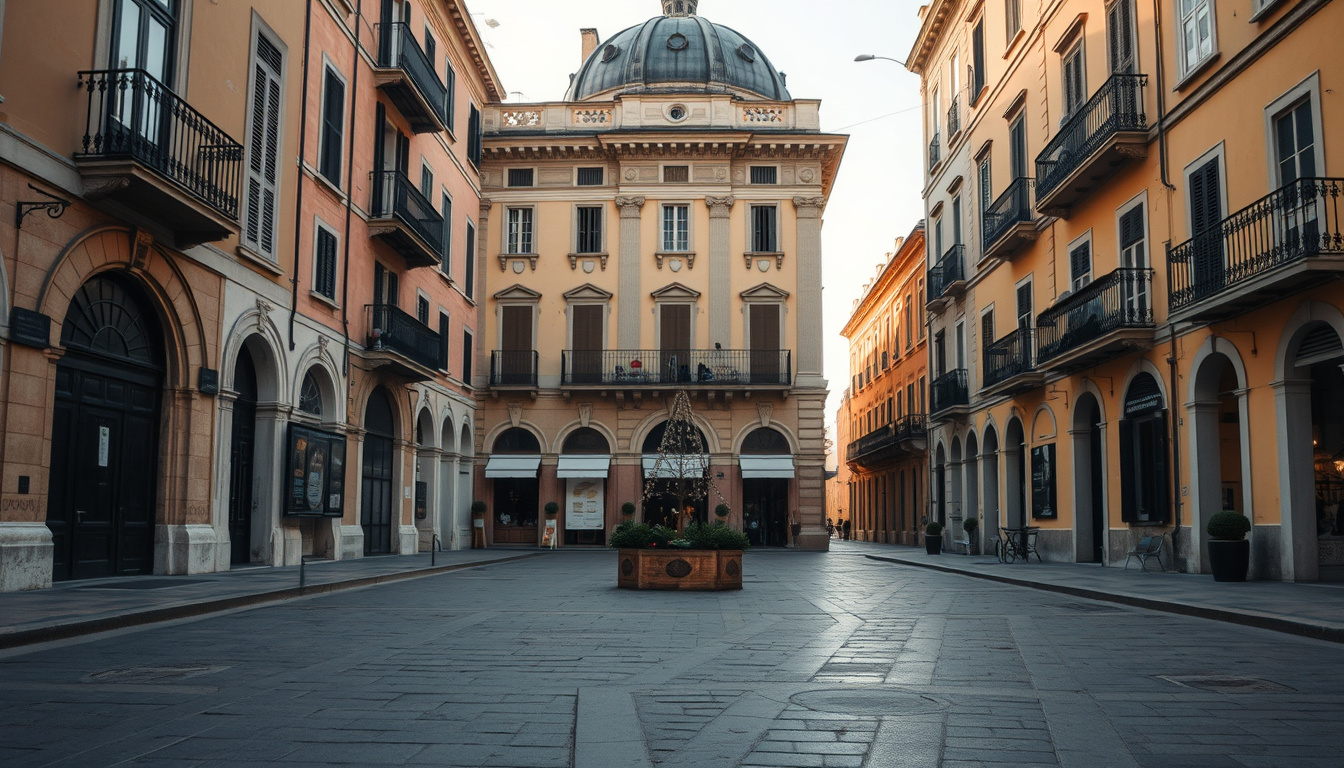
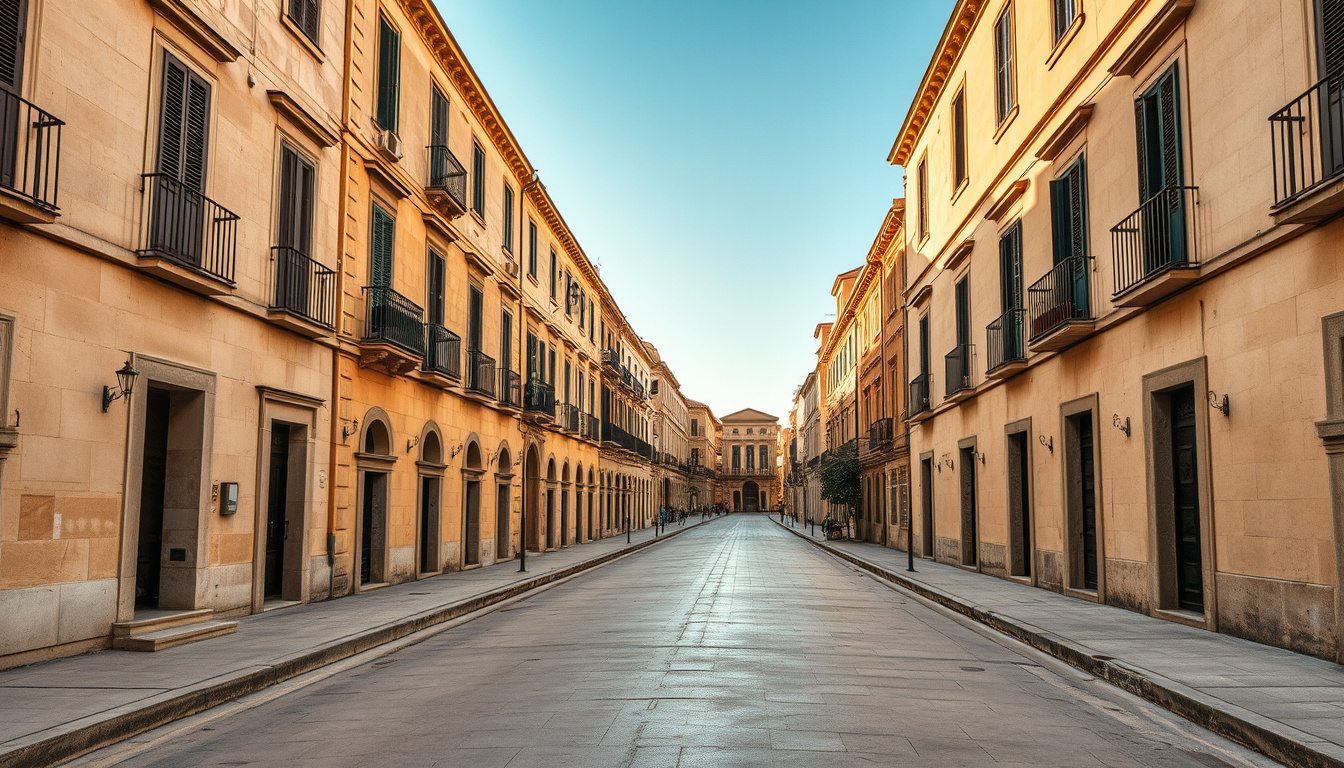
- Noto - long, straight streets, a concentration of golden façades and plenty of open sky. It is the most photographed of the four, so expect company along the main corso in the evening, especially in high season. Everything is close together and walkable.
- Ragusa Ibla - a ridge town of steep lanes, stone staircases and long views across the valley. Dramatic, and demanding on the feet. Check whether a car or a golf cart can reach the point you have in mind, and how far you would then need to walk. The Ragusa Ibla guide covers the town itself.
- Modica - built into a gorge, with staircases doing the work of streets and houses stacked up the slopes. The gorge means parts of the town fall into shade while the upper streets are still bright, and the vertical layout makes route-finding the main constraint rather than distance.
- Scicli - smaller, quieter and easier to park near than the larger towns, which suits couples who would rather not have an audience.
- Marzamemi - a small fishing village with a piazza opening onto the water and softer, sea-toned light. It is very busy on summer evenings, so the crowd rather than the light is the trade-off.
How the stone behaves through the day
The Val di Noto is built from pale limestone that reflects a great deal of light. On a clear summer day that gives you two quite different conditions in the same afternoon.
In the middle of the day the contrast is severe: bright walls, very dark shadow under arches and behind doors, and people squinting. A portrait made in an open square at that hour will look hard, and there is little a photographer can do about it beyond finding shade. The useful window, in most seasons, is the two hours or so before sunset, when the light comes in low and the stone turns warm rather than white. That window is short, which is why hour-by-hour planning matters more than the choice of town.
Between those two states, shade is your friend. Narrow lanes, arcades, church porches and high courtyard walls give even light, and the background still reads as the town rather than becoming a flat white wall or a dark tunnel. Open shade, with the sky in front of you rather than behind, usually gives the most natural skin tones of the day.
Two conditions worth knowing about in advance. On an overcast day the limestone keeps its colour and the light is easy to work with, but you lose the glow, and the photographs will be gentler and less dramatic than the ones you may have seen from these towns. In rain, the streets empty and the wet stone reflects, which can be beautiful. The staircases in Ragusa Ibla and Modica, though, become genuinely slippery, so have a flat pair of shoes to hand.
An illustrative afternoon in Noto
The following is an illustration of how a route might be built, not a schedule to copy. Timings depend on your date, your ceremony time, your venue and your suppliers, and the light is different in May and in September.
The point is the shape of the sequence rather than the timings: shade first, open light second, reception third. A plan that puts you in a car at step two usually finishes with the light already gone.
- Guests move from the ceremony to the aperitivo. While the reception space is being finished, you walk five to ten minutes into the first shaded lane, because at this hour the direct sun is still too high for anything on an open square.
- You stay in that lane, or move to a second one nearby, for the first portraits: stone, doors and balconies, with no driving and nothing to arrange.
- As the sun drops, you come back out into an open street or a small piazza for the last of the light. This is where the stone turns warm, and where most of the photographs you will actually want come from.
- You walk to the reception. If the walk is long or the ground is awkward, the car meets you at a point that has been checked in advance.
What to confirm before you fix a route
Send these questions to your venue or planner early, ideally before the timeline is written:
The same questions belong on the list you send any venue you are considering, and there is a fuller version in what to ask a Sicilian wedding venue before you book. On drones, do not assume permission: above historic centres and protected areas authorisation is generally required, and it is far better to check with the Comune months ahead than on the morning.
- Is there an event, procession or festival in the town on our date? Noto's Infiorata in May fills the streets with visitors, and smaller local celebrations can close a square for an evening.
- Which streets are pedestrian or restricted to traffic, and where may a car legally stop to drop us off or collect us?
- What is the walking route from the ceremony to the reception, and how many steps are on it?
- Are the interiors we would like to use open to us, and does that require permission or a fee?
- If it rains, which covered or indoor spaces can we use?
- When is dinner served, and who is holding the timeline while we are away from the reception?
Heat, shoes and the small things that decide whether it works
A wedding-day walk in south-eastern Sicily in July is a different proposition from the same walk in April. The stone holds heat and gives it back through the late afternoon, and the loveliest lanes are often the ones with no breeze at all.
- Keep the walking route short, and keep it in shade until the sun is low.
- Choose shoes for uneven stone and staircases rather than for the photographs. If you want a second pair for the portraits, have someone carry it.
- Carry water, and something to blot shine. Heat shows in photographs more than most couples expect.
- Think about your guests as well. If the route involves steps, or there is a long wait while you are away, say so in advance and give older guests somewhere comfortable to sit.
- If empty streets matter to you more than an evening session, a short walk early the following morning is a genuinely good alternative: cooler, quieter and with a different quality of light.
How this shapes the photographs on the day
My work is documentary, which in practice means I stay with the day and photograph what happens rather than directing it. The portrait part of a Val di Noto wedding is therefore short and unforced: a walk, a few stops, and no repeating of moments that have already passed.
When I plan a route I am looking for four things. Shade that gives clean skin tones. Backgrounds that read as the town without parked cars, café furniture or road signs in the frame. A surface that is comfortable and safe to walk on. And enough time for something to happen rather than being asked for.
What I would rather not do is spend the portrait window travelling. If the choice is a drive to a famous viewpoint or twenty minutes on foot in one town, I would take the walk almost every time. The light lasts longer than the drive, and the photographs made while you are moving through the town usually look more like your wedding than the ones taken after arriving.
Planning all of this from another country
You can choose a town from photographs, but you cannot judge a walking route from a satellite image. Ask for a map with the route marked, the points where a car can stop, the number of steps, and an honest estimate of walking time from someone who has walked it. Ask, too, what time the sun leaves the street you are considering, whether your date clashes with a local festival, and how the light will differ from the month you are imagining.
That is where a local photographer or planner is genuinely useful, not for a list of famous places but for telling you that a route is two minutes rather than twenty. It also helps to know how the season itself behaves. The month-by-month guide to wedding timing in Sicily covers heat, crowds and light across the year, the Noto destination guide covers the town itself, and the Palermo photo-locations guide shows the same thinking applied elsewhere on the island.
If you are marrying or eloping in the Val di Noto and want to talk through where the photographs might happen, tell me your date, your venue and roughly how many guests you expect, and whether you would rather walk or drive. Check your date and I will answer personally.
Frequently asked
- How long should we allow for couple photographs in the Val di Noto?
- For most days, between thirty minutes and an hour, taken in one place. That is enough for a short walk, a few stops and a change of light. Anything longer usually means a longer walk or a second location, and both eat into the time your guests are waiting. Discuss it with your photographer while the timeline is being built.
- Do we need permission to take wedding photographs in Noto or Ragusa Ibla?
- Walking and photographing in a public street generally needs no permission, but interiors are different. Churches, museums, palaces and private courtyards each have their own rules and often their own fee. Ask the venue, the parish or the Comune well ahead of your date, and do not assume a symbolic ceremony gives you access anywhere.
- Is one Val di Noto town enough for the whole portrait session?
- Yes, and it is usually the better choice. Each of these towns has more than enough stone, shade and quiet corners for a session. Adding a second town means a drive, parking and a walk at both ends, which is time taken out of the light. If you want two very different settings, consider a short session the following morning.
- Which town suits a July or August wedding?
- Any of them, provided the portrait walk is short and shaded. Noto and Ragusa Ibla hold the heat in the stone; Scicli is quieter and Marzamemi is breezier in the evening, though it is busy in high summer. Agree with your planner where the portraits sit in relation to the meal and the last of the light.
- What happens if it rains on our wedding day in the Val di Noto?
- The baroque centres work in rain better than couples expect: wet stone reflects light and the streets empty. Have a dry plan ready, such as a portico, arcade, colonnade or an interior your venue will allow, and bring flat shoes for the staircases in Ragusa Ibla and Modica, which become slippery.
Sources & further reading
Photographed across the whole island
See how a Sicilian wedding day is documented on the Destination Wedding Sicily home page, explore the location guides, or view the full Italian portfolio at rosariospadaro.com.
Check your dateKeep reading