Comparing Two Palermo Wedding Venue Quotes: What the Numbers Hide
19 November 2026 · 7 min read · Rosario Spadaro
Two venue quotes for a Palermo wedding rarely compare like for like. One may price per guest with the room included; the other may charge for the space and leave catering to you. The useful comparison is not the total at the bottom but a single column of what each price buys: the hours you get the building, the number of guests it assumes, what is already inside the figure, and what triggers an extra charge. Get those four things in writing and the decision usually makes itself.
Find out what each venue thinks it is selling you
The quotes you receive generally take one of three shapes: a price per guest that includes the meal and the room; a rental figure for the building, with catering arranged separately; or a minimum spend you work towards across food, drink and service. Each behaves differently when your numbers move, and numbers almost always move between the first enquiry and the contract.
Before comparing anything, ask both venues to reissue their quote at the guest count you are actually inviting, and again at a smaller number. A per-head figure falls with the smaller list. A minimum spend may not move at all, which means the difference is paid by you rather than saved. A rental figure stays where it is while the catering line shifts underneath it. That one exercise tells you more about the two prices than the totals currently do.
Four lines to compare, whatever the quote looks like
The questions in what to ask a Sicilian venue before you book cover how the day itself runs. These four are the ones that change the number.
If one venue answers these in a single email and the other answers them reluctantly across three, that is information too — and it usually predicts how the final weeks will feel.
- The guest number assumed. Which count the price is built on, and the minimum the venue will accept on that date.
- What is already inside the figure. Service staff, tables, chairs, linen, glassware, lighting, the cake, drinks during the aperitivo. Ask for the list in writing rather than a verbal assurance that everything is included.
- The hours. When you can enter the building, when the ceremony can start, when a room must be turned around, when the music has to stop.
- What triggers an extra charge. An additional hour, a supplier brought in from outside, corkage, extra waiting staff, cleaning, a late finish.
The hours are a photographic decision, not only an invoice line
Two quotes can match on price and describe completely different days. If access begins at four in the afternoon, the getting-ready photographs happen somewhere else — a hotel room, a rented apartment — and the morning ends with a journey rather than with the last quiet hour in the room. If the space you dine in has to be reset while the aperitivo runs, dinner starts later, pushing the meal towards the light you might have wanted for portraits.
Ask both venues for the timetable their quote assumes, written as clock times rather than as afternoon and evening. Then hold that timetable against the ceremony hour you have been given, which in a church wedding is set by the parish rather than by you. It is worth reading what the ceremony hour does to a Sicilian wedding day before you compare, because the venue whose clock leaves a clear gap between ceremony and dinner usually gives you both better photographs and a calmer afternoon.
Exclusivity, and the room you are actually being quoted
One quote may be for the whole building; the other for a floor of it, with another wedding downstairs. The price difference is real, and so is the difference in the day: shared entrances, shared parking, a courtyard that has to be photographed around another party's guests.
Ask what exclusivity covers in each proposal — the garden as well as the reception room, the courtyard, the terrace at the hour you would use it — using the checklist in what exclusive use actually covers. Then apply the same scrutiny to the number: a per-head quote may assume a layout that leaves very little room for group photographs indoors if the weather turns, which is the situation testing whether your guest list fits is written for.
An illustrative comparison: the city palazzo and the villa with a garden
These two shapes are illustrative rather than quotes from specific venues, but they are the pattern most couples end up weighing.
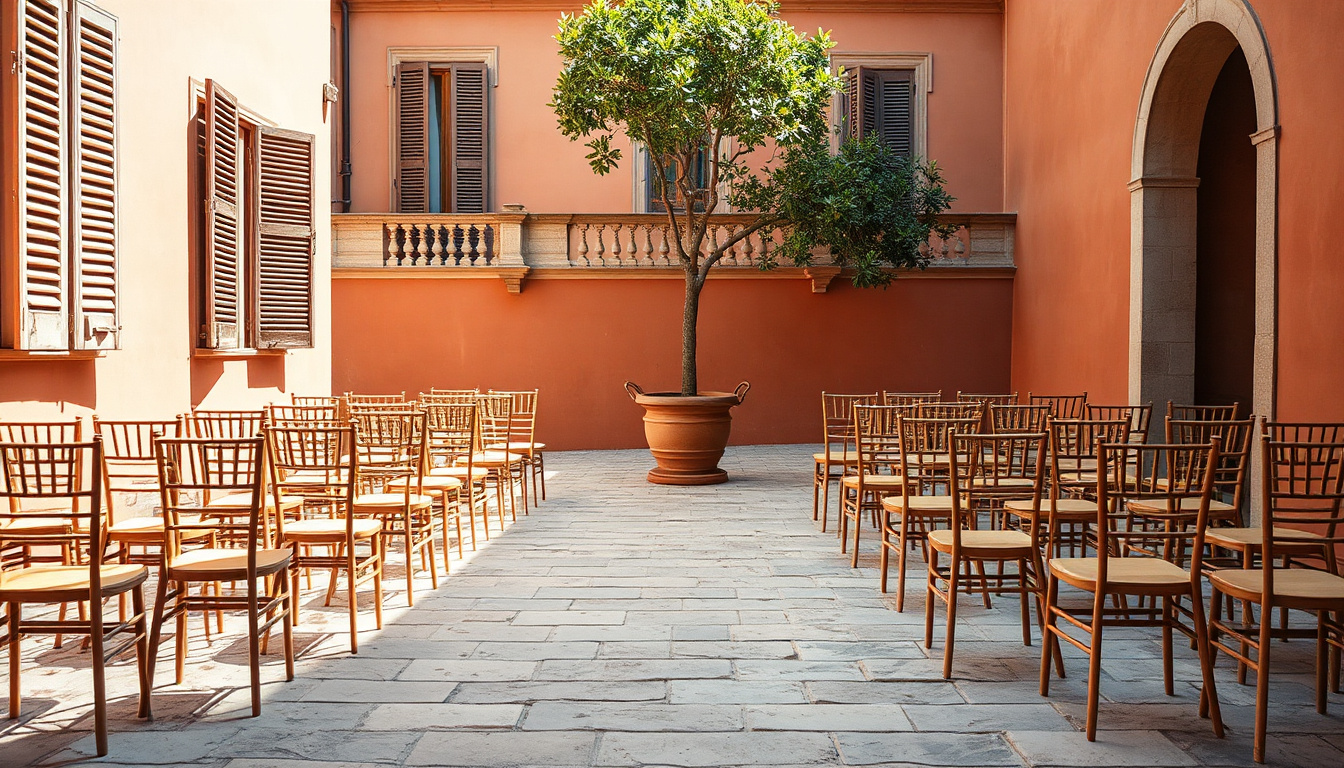
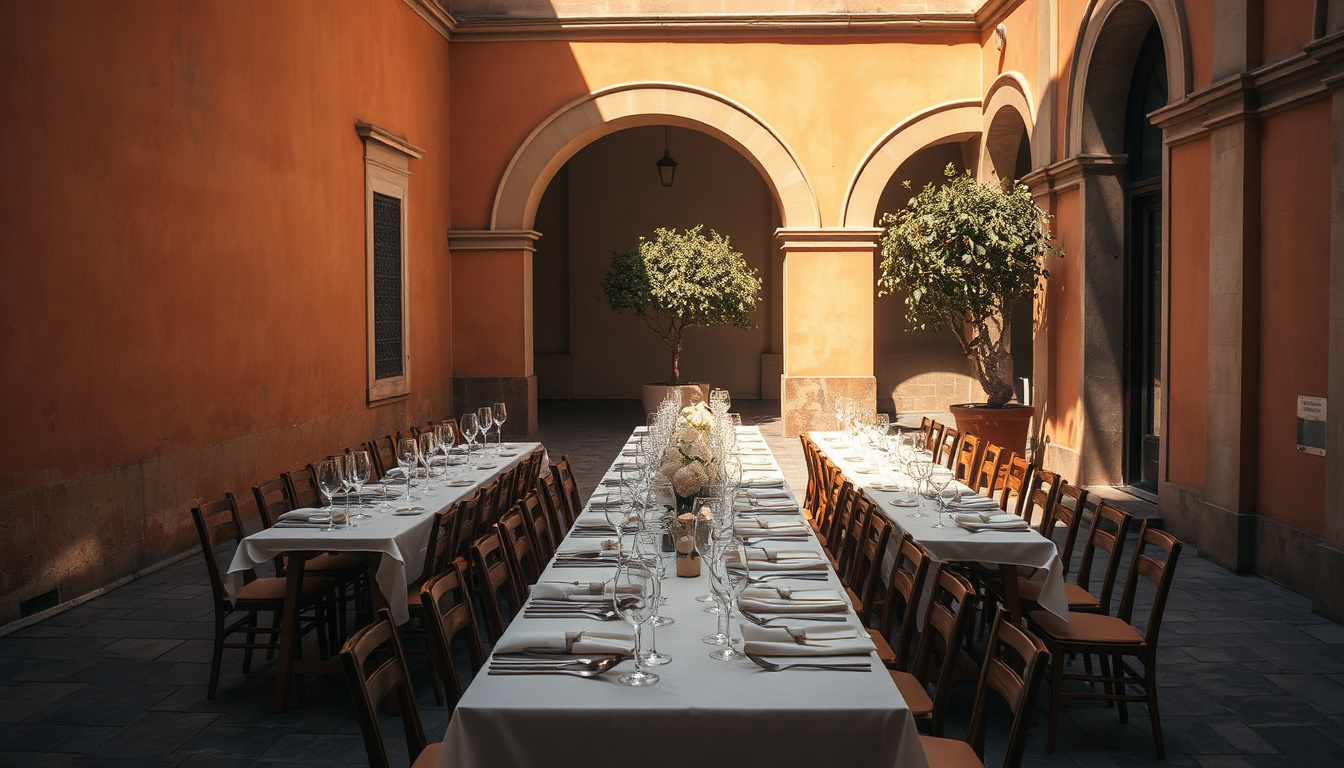
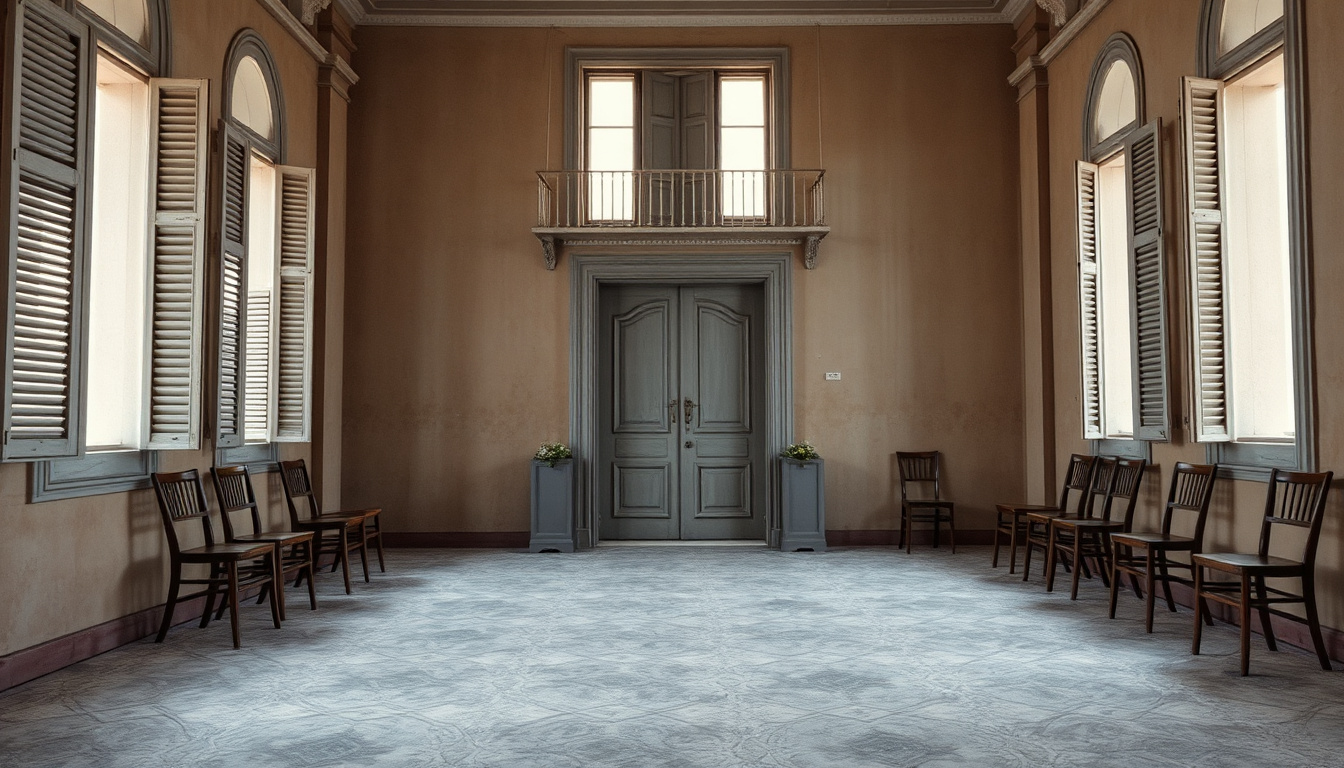
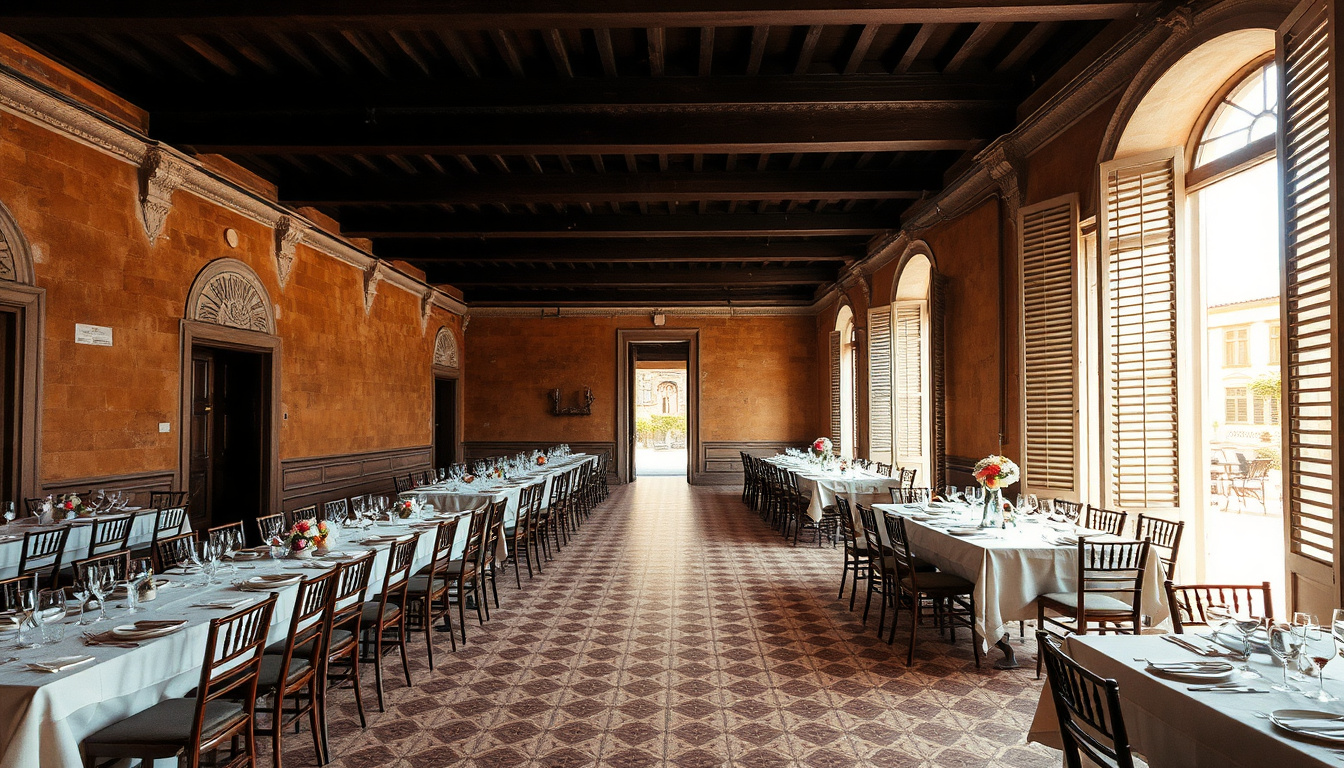
The city palazzo. A rental figure for the rooms, catering arranged separately, access mid-afternoon, ceremony in one hall, dinner in another. The photographs gain architecture, deep interiors and a short walk between the two. The quote leaves more to organise — lighting, music, flowers, perhaps someone to run the changeover — and the risk sits in the turnaround: a room used for the ceremony and reset for dinner eats the time you might have spent outside.
The villa with a garden. A per-head figure that includes the meal and the staff, earlier access, ceremony under trees, dinner indoors or under a canopy. The total is easier to read, but the per-head number can hide the extras — the aperitivo, the wine alongside dinner, food at the end of the night. The photographs gain shade, space for children and a garden for group pictures; the risk is that portraits, aperitivo and dinner all compete for the same golden hour.
Read the two side by side and count three things: hours of access, named exclusions, and the moment the room changes purpose. The venue that answers all three clearly is rarely the wrong choice.
The questions to send with both proposals
Send the same list to both venues, so the replies sit next to each other.
- Please reissue this quote for our actual guest number, and for a number twenty lower.
- Which of these is included: service staff, tables, linen, glassware, lighting, cake, aperitivo drinks, wine with dinner?
- What are the access and exit times on the day, written as clock times?
- Which spaces does the price include, and does any other event share them?
- What changes if we bring our own florist, musician or photographer?
- Is the figure quoted inclusive of IVA, and is a service charge added on top?
- What is the payment schedule, and what does each payment secure?
- What are the cancellation terms, in writing?
Comparing quotes when you are signing from another country
Three things are worth settling before you sign. First, the currency: ask which currency the invoice will be issued in and how a card or bank payment is handled, including any charge the venue passes on. Second, IVA and service: ask for both to appear as named lines rather than folded into a total, so you know which number you will actually pay. Third, the schedule: which payment falls due when, what it secures, and what happens to it if the date moves.
Keep every version of the quote. In a two-venue comparison the useful document is not the final PDF but the email trail showing what changed between versions. Ask for inclusions to be confirmed in writing, in the language you have been corresponding in, and check that names, dates and guest numbers on the contract match what was agreed.
When the totals are close, decide on the day rather than the price
Once both quotes describe the same guest number and the same inclusions, the difference is often smaller than it first appeared. At that point price has done its job, and the decision belongs to the shape of the day: where you get ready, how long the move between ceremony and meal takes, which room you eat in, and where the light falls at the hour you will be outside.
I would rather photograph a day with room to breathe than one that saves something and spends it on a rushed changeover. So ask both venues one last question: on a day like ours, where are we standing at seven in the evening? If you can picture the answer clearly for one of them, that is usually the one.
If you are holding two proposals and want a view on how each would photograph — where the light falls, where the day has room and where it is tight — send me the date, the two locations and your rough guest numbers. There is no obligation, and it is often the quickest way to see the difference between them.
Frequently asked
- Should I compare Palermo venue quotes per guest or as a total?
- Both, in that order. Bring each quote to the same guest number first, then add the exclusions — staff, drinks, lighting, an extra hour — so that the totals describe the same day. A total compared before that step usually flatters whichever venue listed less in the first place and hid more later.
- Do venue quotes in Palermo include IVA and service?
- Do not assume either way. Some proposals show IVA as a separate line, others build a service charge into the per-head figure, and others leave both until the contract. Ask for the figure you will actually pay, with each element named, and have it confirmed in writing before you compare two venues.
- Is a midweek or off-season date cheaper?
- Ask each venue for the same proposal on a Saturday in June and a Friday in October; the answer will be specific to that venue and that year. A quieter date can open up rooms and suppliers, but it also changes flights and how easily guests travelling from abroad can join you.
- What if one venue will not give a written breakdown?
- Treat that as part of the comparison. A venue that describes inclusions only in conversation leaves you nothing to hold the day to. Ask once more, in writing, listing the four lines you need confirmed; if the reply is still vague, factor that uncertainty in alongside the price.
Sources & further reading
Photographed across the whole island
See how a Sicilian wedding day is documented on the Destination Wedding Sicily home page, explore the location guides, or view the full Italian portfolio at rosariospadaro.com.
Check your dateKeep reading