Palermo Wedding Venues: How to Choose One That Works
4 October 2026 · 8 min read · Rosario Spadaro
The short answer: choose your ceremony type first, then the area, then the venue. In Palermo that usually means deciding between a city palazzo with stone interiors and a coastal setting such as Mondello, on the edge of the city. Capacity, exclusivity, music curfew, catering rules and how guests reach the door will shape your day more than the architecture does. None of it can be settled properly from photographs alone, so plan to verify the practical details in writing.
Decide the ceremony type before you look at buildings
Civil, religious and symbolic ceremonies are not interchangeable, and in Palermo each one narrows your venue list before you have looked at a single photograph.
A civil ceremony is celebrated by the Comune, in municipal settings. A religious ceremony depends on a parish, a priest and the church's own rules about dates, decoration and photography during the service. A symbolic ceremony has no legal effect and can take place almost anywhere, provided the owner of the space agrees and the setting can hold your guests.
If you want the legal ceremony and the celebration in the same place, confirm that early with the Comune di Palermo and with your own consulate. Rules depend on your nationality and on the municipality, and no single checklist covers every couple. The paperwork side is set out in the guide to getting legally married in Sicily as a foreign couple.
Once the ceremony type is fixed, the venue question becomes much smaller. You are no longer asking which is the most beautiful place in Palermo, but which of these places can do what you have chosen, on your date, with your guests.
The kinds of Palermo venue, compared
Most Palermo weddings fall into four broad settings, and each one trades something away.
None of these is the right answer. The useful question is which set of compromises you would rather live with on the day. If you already know you want a specific style of luxury venue, the guide to luxury venues in Palermo and the north-west coast covers named places; this article stays with how to choose between them.
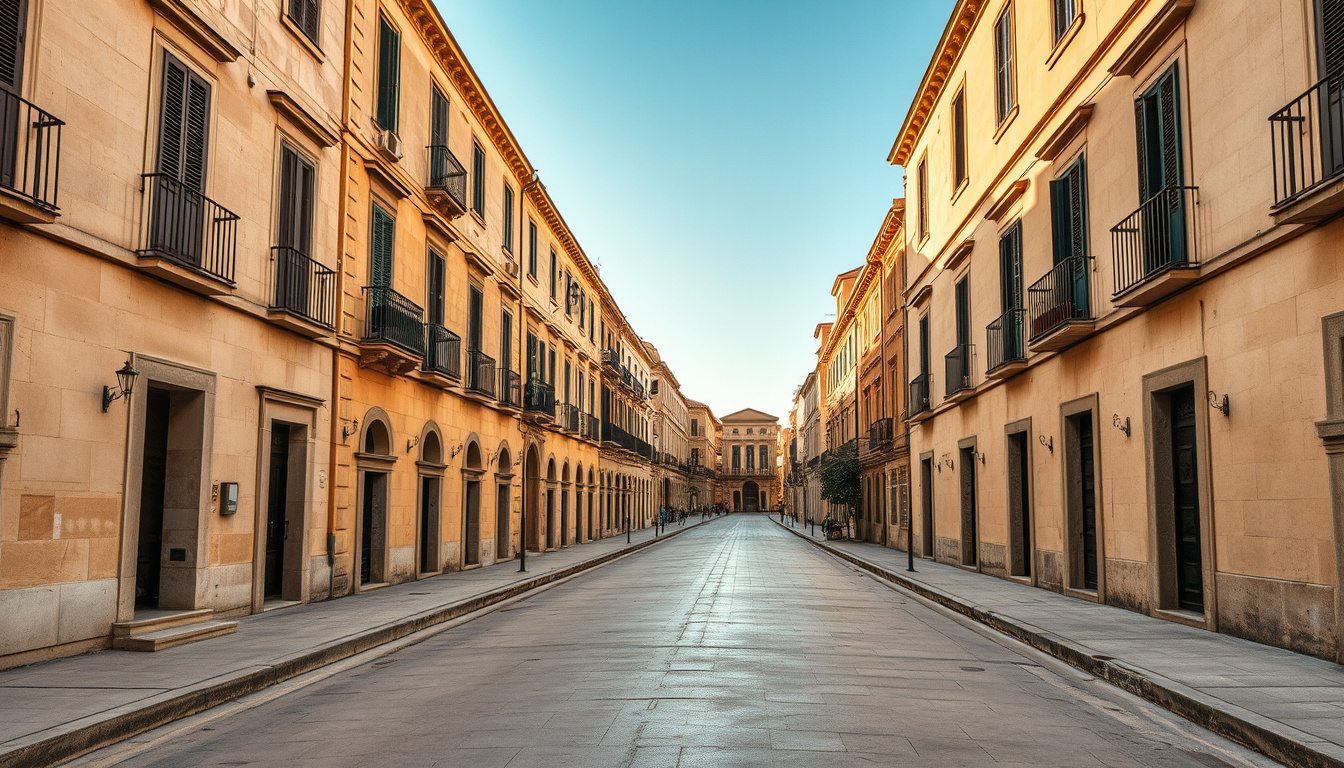
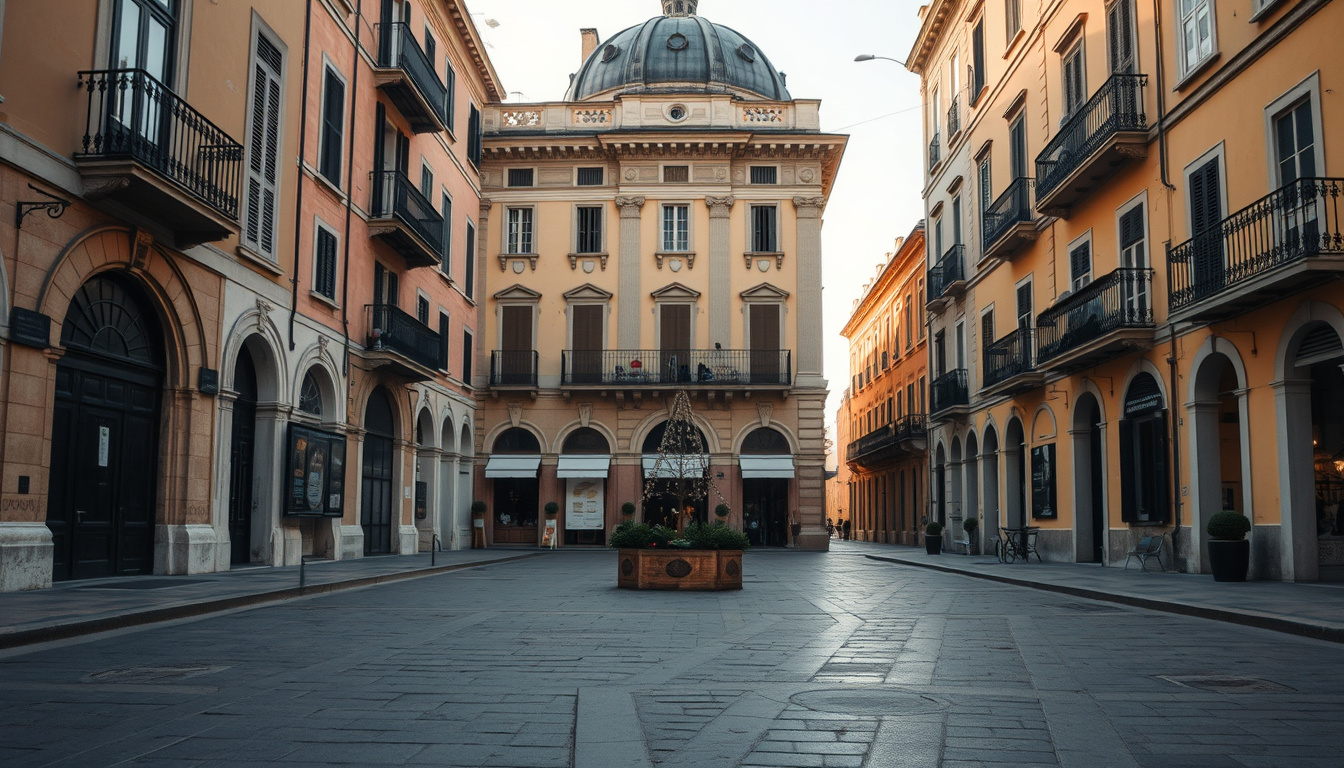
- City palazzi and historic interiors. Stone staircases, painted rooms and courtyards hidden behind heavy doors, all within walking distance of the centre. You gain atmosphere and a day that can happen almost entirely on foot. You give up space and light: interiors are often dark for long stretches, the last part of the journey is on foot over uneven paving, and a courtyard dinner has neighbours.
- Villas with gardens on the edge of the city. More room, easier parking, space for a long table under trees. The trade-off is transport: guests move by coach or taxi, and some villas host more than one event on the same day.
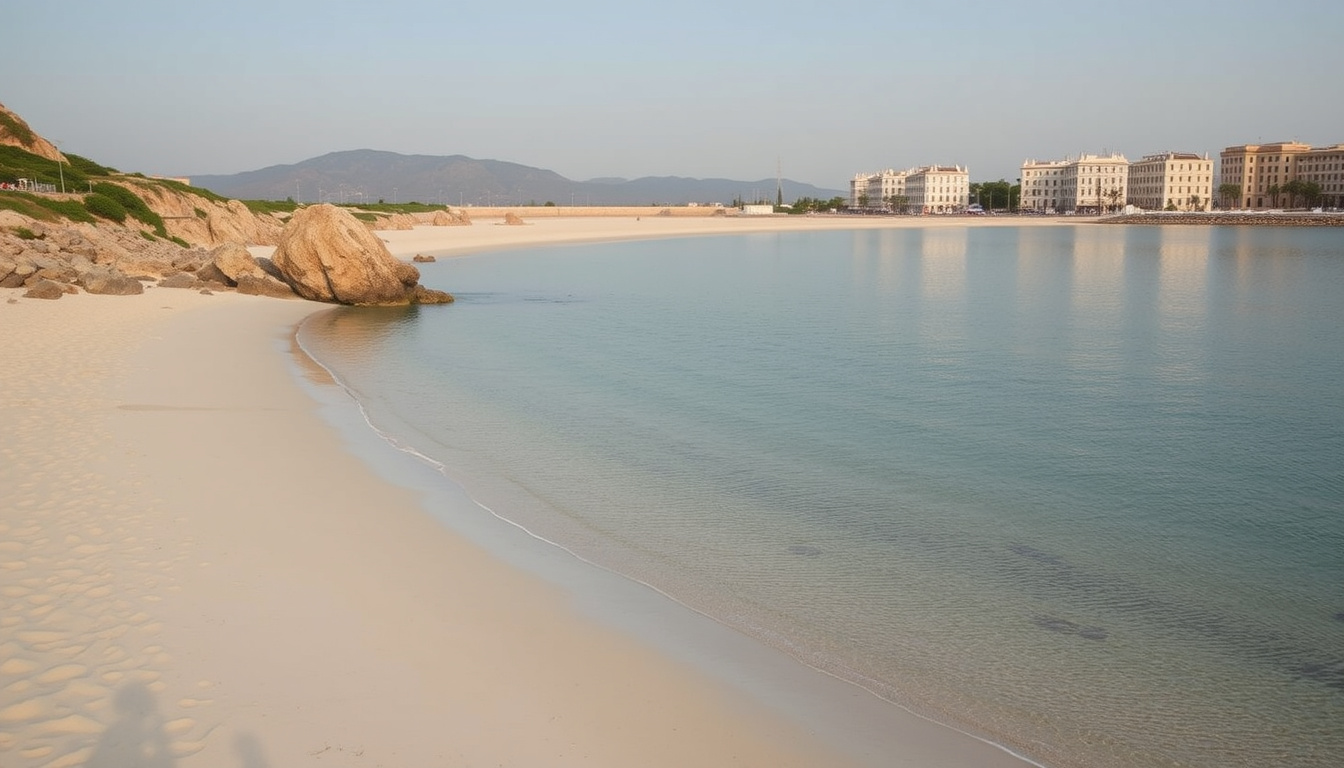
- Coastal venues at Mondello and along the coast. Sea light, a breeze, and a sunset that can sit in the same frame as the reception. What you give up is control: the coast road is slow in summer, wind and salt affect hair, flowers and loose decorations, and the beach itself is busy in July and August.
- Estates and bagli inland, or towards Cefalù and the mountains. Long tables under vines, cooler evenings, a day that feels removed from the city. Everyone has to be transported there and back, and the day ends where it happens rather than in the centre.
What the centre asks of your guests
Palermo traffic is the detail that most often catches couples out. It is not a reason to avoid the city, but it changes the timetable and the transport plan.
Send these questions to the venue before you decide where your guests will sleep. The two answers are connected, and the guide to where your guests should stay for a Palermo wedding works through the bases and how each one affects the end of the night.
- The last stretch is usually on foot. Many central venues sit behind restricted traffic zones. Ask for the exact drop-off point in writing, whether a coach may stop there, and for how long.
- Walking distance matters more than it looks on a map. Cobbles, kerbs and heat are harder on elderly guests and on heels than the numbers suggest.
- Allow generous transfer times. A short journey at 10:00 can take considerably longer at 19:00, and guests arriving late to a ceremony is the one delay you cannot recover.
- Give guests an address they can actually use. The venue name, the street and a map pin, sent in advance, stops the coach circling the block.
An illustrative shape to the day
The times below are one example of a July day in the city, not a formula. Sunset in Palermo moves substantially between May and October, and in a hot month the whole day shifts later.
In May or early October the same day starts two hours earlier and the portraits happen before dinner rather than after it. What matters is that the ceremony, the meal and the portrait session are placed around the light, not around a template.
- Mid-afternoon: preparations, ideally somewhere with a large window and decent daylight.
- Late afternoon: guests arrive as the heat leaves the streets, with a civil or symbolic ceremony in a shaded courtyard or a cool interior.
- An hour before sunset: portraits, in the softest light of the day. This is the window I build the rest of the coverage around.
- After dark: dinner, speeches and the long table Sicilian weddings are known for.
- Late evening onwards: dancing, which often continues well past the hour most couples expect.
The questions to send before you shortlist
Ask all of these in one email and compare the answers side by side. Vague answers are useful information too.
- Is the venue exclusively ours that day, and is another event taking place at the same time?
- What are the ceremony time slots, and is there a limit on how long we have the space?
- When does music have to stop, and are there restrictions on amplified music outdoors?
- Are there constraints set by the Comune, the church or the building's heritage status?
- Is catering in-house, or is there an approved list of caterers? What is the fee if we bring our own?
- What is the seated capacity and the standing capacity, and where does the dance floor go?
- What is the indoor alternative if it rains, and can it seat everyone without moving rooms?
- Is the reception space air conditioned, and how does it cope in August?
- Where does a coach stop, and can guests be collected from the same place at the end of the night?
- What is included in the hire, what is charged separately, and what are the deposit and cancellation terms?
How the venue changes the photographs
Two venues with the same guest count and the same date can produce very different photographs, and it is rarely about how impressive the building looks at midday.
None of this is a reason to reject a venue. It is a reason to know, before you book, where the light will be at the moment you care about most.
- Interiors. Baroque stone and painted rooms are wonderful to stand in and difficult to photograph without flash. Where flash would be intrusive — during a ceremony, for instance — I work quietly with available light and accept a warmer, grainier frame. That is usually the better trade.
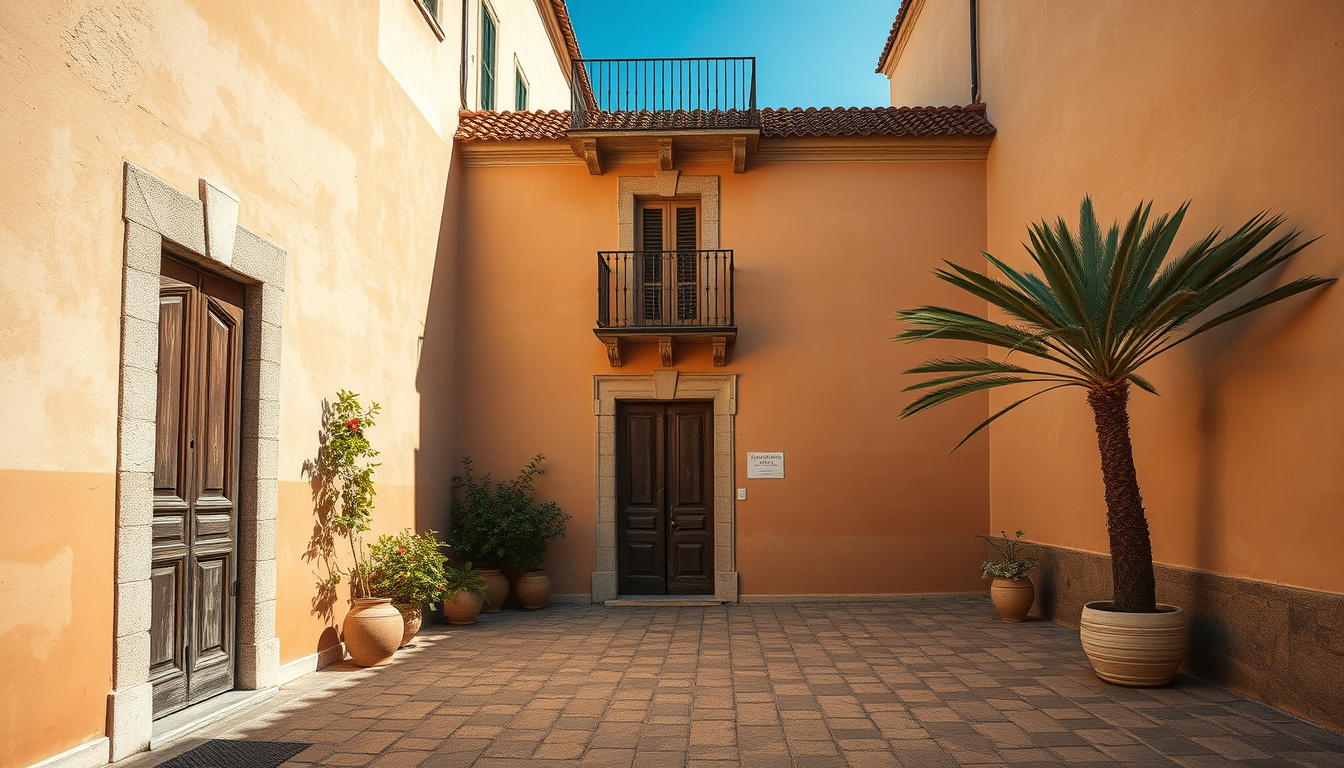
- Courtyards. A courtyard gives usable light for perhaps the last hour before sunset and then falls dark quickly. Dinner by candlelight is beautiful; guests moving between tables will pass through deep shade.
- Coastal settings. The light is generous and the background is clean, which makes some things easier and others wetter: sea spray and wind affect hair, veils and tablecloths alike.
- Crowds. A square in the centre at 19:00 is busy. If you want portraits there, we either work with the movement or choose another hour.
Judging a venue you cannot visit
Photographs on a venue's website are chosen for the best light of the best day of the year. To judge fairly from abroad, ask for:
If you can visit once, go in the month you intend to marry and at the hour of the ceremony. A venue that worries you at 18:00 in July is a different place at 11:00 in April.
- a video call at the hour your ceremony will take place, so you can see the space in that light;
- photographs of the actual room or courtyard from a recent wedding at a comparable time of day;
- a scaled floor plan, so you can see how a table plan and a dance floor fit;
- a recent timeline from a wedding held there, to see how the day really runs;
- the names of two or three recent couples you could speak to about their experience.
A contingency plan worth writing down
April to June and September to October are the months I would choose for a Palermo wedding: warm without being punishing, with an evening that begins at a civilised hour. July and August are possible, but they push the whole day later and put the ceremony close to sunset.
Whatever month you choose, write the alternative down before you sign:
A venue that answers these quickly has usually hosted enough weddings to be calm about weather. That calm is worth more than a slightly prettier courtyard.
If you are still weighing a palazzo in the centre against a venue by the sea, tell me your date, the area you are considering and roughly how many guests you expect. I am glad to talk through what each choice does to the light and to the shape of the day. You can check your date here.
- which indoor space takes the ceremony if it rains, and who decides by when;
- where the aperitivo moves to if the courtyard is wet;
- who informs guests of a change, and through which channel;
- where the musicians set up indoors, since amplification rules may differ inside;
- what happens on the coast if the wind is too strong for a marquee or an arch.
Frequently asked
- How far ahead should we book a Palermo wedding venue?
- For Saturdays in May, June, September and October, start looking earlier than you would at home, particularly for coastal venues with limited dates. Ask about the venue's hold period, deposit and cancellation terms, because these vary considerably between palazzi, villas and estates, and get the answers in writing.
- Can we have the legal ceremony at the venue?
- Sometimes. Civil ceremonies are celebrated by the Comune di Palermo, either in municipal settings or in venues authorised for it. Whether your chosen venue can host the legal ceremony is a question for the Comune and for your consulate, and the answer depends on your nationality and paperwork. A symbolic ceremony has no legal effect.
- What time should a Palermo wedding ceremony start?
- In July and August, most couples choose a ceremony after 18:00, once the heat has gone. In May, June and October, late afternoon works well. Check the sunset time for your exact date in Palermo and work backwards: you want the ceremony finished before the light goes and the portraits in the hour before sunset.
- Do Palermo venues allow outdoor music late into the night?
- It varies by venue and by area, and the limit often comes from the Comune rather than from the venue itself. Ask for the curfew and for any restriction on amplified music outdoors in writing. If dancing until the early hours matters to you, raise it at the first meeting rather than after the deposit.
Sources & further reading
Photographed across the whole island
See how a Sicilian wedding day is documented on the Destination Wedding Sicily home page, explore the location guides, or view the full Italian portfolio at rosariospadaro.com.
Check your dateKeep reading