Wedding Venue Types in Sicily: Which Kind of Place Suits Your Day
25 September 2026 · 8 min read · Rosario Spadaro
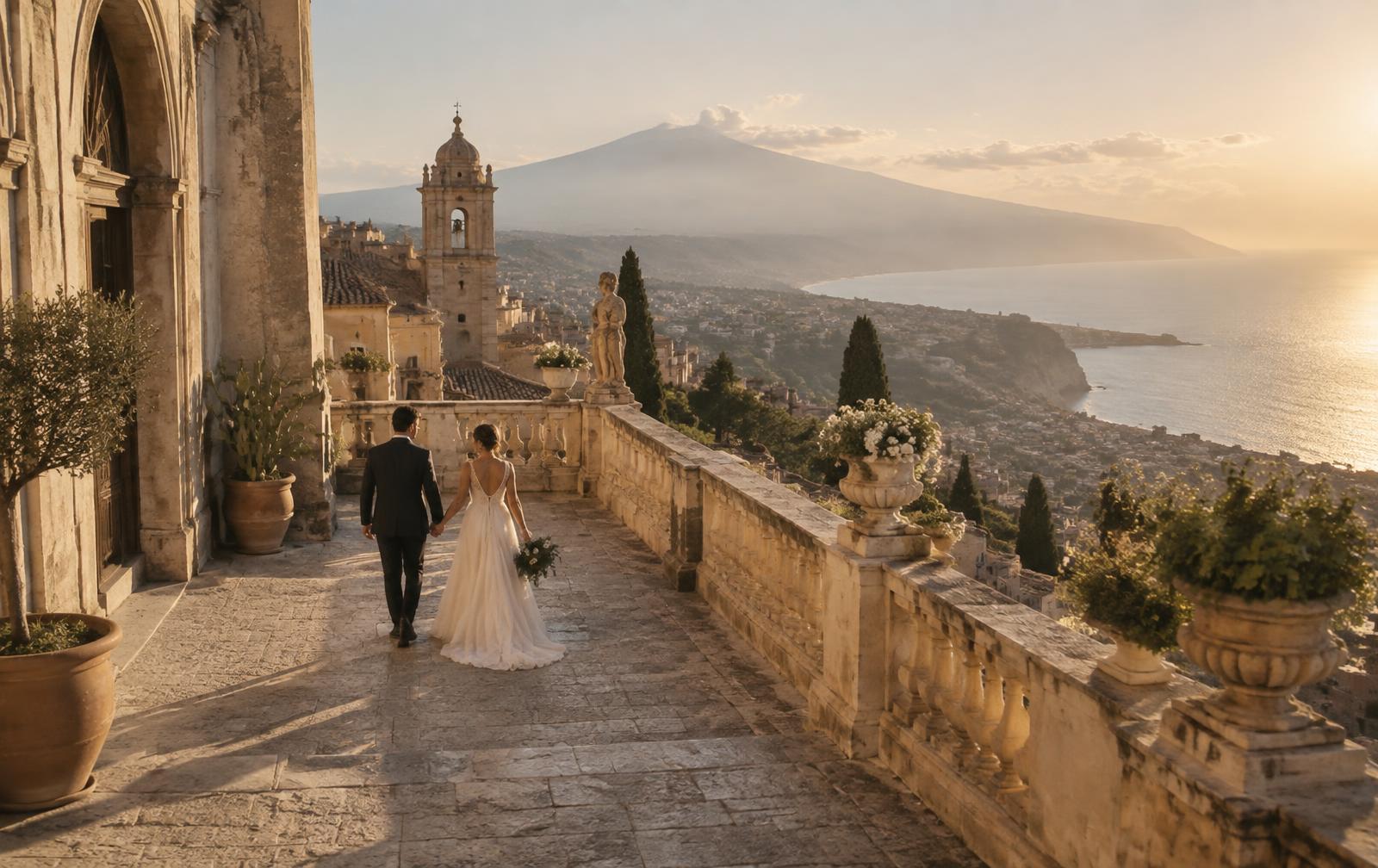
The type of venue you choose shapes more of a Sicilian wedding than its address does. A garden villa, a baroque palazzo, a working winery and a beach club each bring their own rules about space, catering, noise, weather and guest movement, and their own light. This guide compares those categories rather than named places, so you can decide what kind of venue you are looking for before falling for a particular building. Capacity, curfews and catering policy always need confirming with the venue itself.
Decide the category before you fall for a building
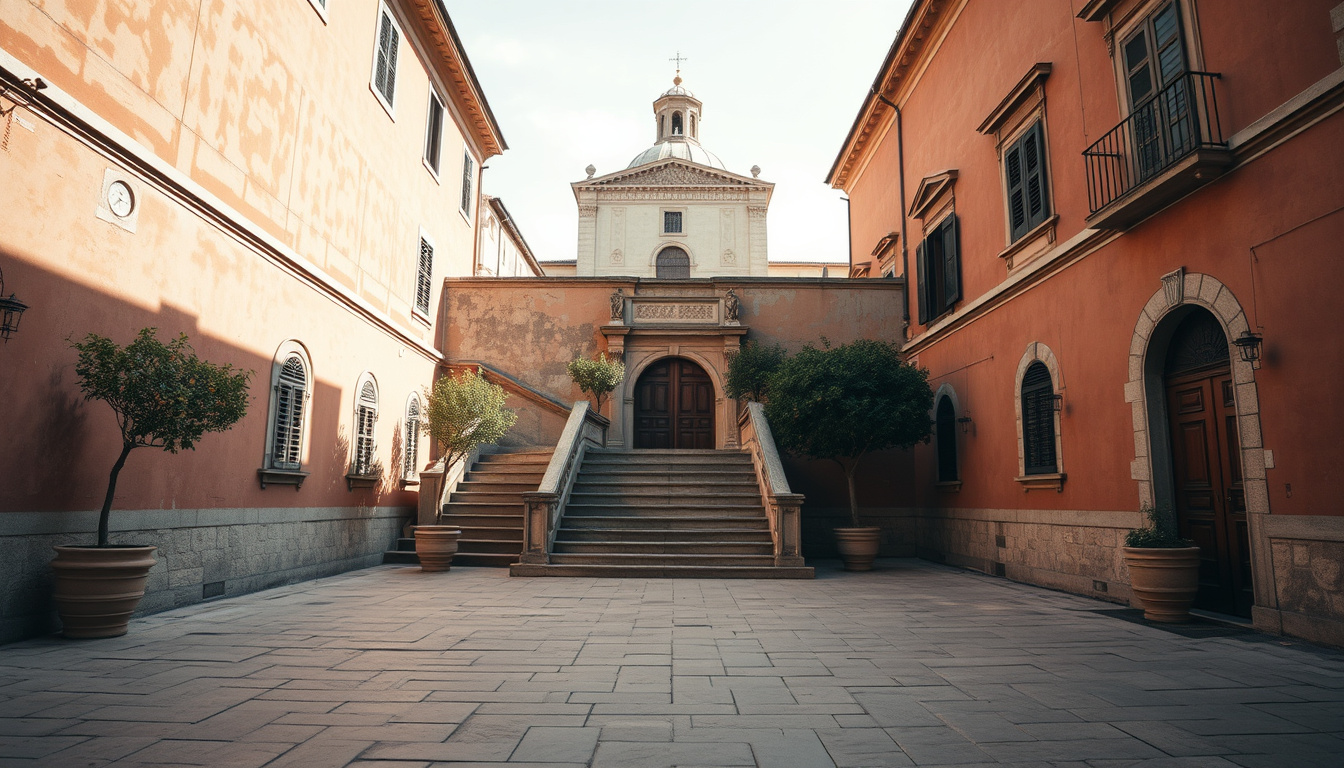
It is natural to start with a photograph: a courtyard, a staircase, a terrace above the sea. The trouble is that those images rarely come from the same kind of place. By the time you have fallen for four of them, you are comparing a rural estate with a city centre palazzo and wondering why the guest logistics will not line up.
Four questions narrow the field faster than browsing.
Only then does it make sense to look at buildings. The fourteen venues I have photographed are a useful place to start once you know which category you are choosing between.
- Do you want everything in one place? Symbolic ceremonies are often held where you also dine, at a villa, estate or baglio. Civil ceremonies in the towns I photograph are celebrated at municipal venues, so the day usually moves between two or three sites. Confirm what your venue and the relevant Comune allow.
- How do your guests arrive, and where do they sleep? Coach access, country lanes, ferries and hotel clusters matter more than the view. The area guides set out the distances for each part of the island.
- What happens if it rains, or if the wind gets up? Every outdoor plan needs an indoor answer you have actually seen, not one promised in an email.
- How late do you want to celebrate, and does the venue match? Ask about music, indoors and out, before deciding that a place is perfect.
Garden villas and historic estates
A garden villa is the setting most people picture when they imagine marrying in Sicily: a historic house, a walled garden, sometimes rooms for guests to stay. It is a generous category, and it asks the least improvisation of your guests.
The trade-offs are worth naming. Gardens are hot in the middle of summer, and shade moves through the afternoon, so the ceremony position that looked beautiful at eleven in the morning may be in full sun at five. Dinner outdoors is lovely until a wind picks up or the temperature drops after dark. And if the villa sits in the countryside, everyone needs a way home that does not depend on one sober driver.
Photographically, a garden gives me soft, mixed light and space to work without crowding anyone. It also gives me a background I cannot control: a service van behind the hedge, a gardener's hose, a stack of chairs. Most of it goes unnoticed on the day and is obvious in a photograph. Walking the ceremony spot at the same hour as the ceremony, before you book, tells you more about shade than any plan will.
City palazzi and historic interiors
Palermo, Catania, Noto, Siracusa and Ragusa have interiors that are hard to match anywhere: frescoed halls, marble staircases, inner courtyards and rooms whose ceilings carry their own light. If the town is the reason you chose Sicily, this is the category that puts you inside it.
What surprises couples is how dark these interiors are in reality. Marble and gold reflect beautifully and swallow very little light, and the contrast between a bright doorway and a deep room is extreme. That is not a problem, but it does mean the ceremony should be photographed for its own sake rather than treated as a set, and that the earlier part of the day usually carries the strongest images.
The practical constraints are urban ones. Traffic and restricted zones in the historic centres mean coaches cannot always reach the door, so plan a drop-off point and allow walking time, particularly for older guests and anyone in formal shoes. Ceremony and reception are often in two different buildings. That split costs time and needs transport, but it is also where a good deal of the day's unposed material happens.
Wineries, bagli and country estates
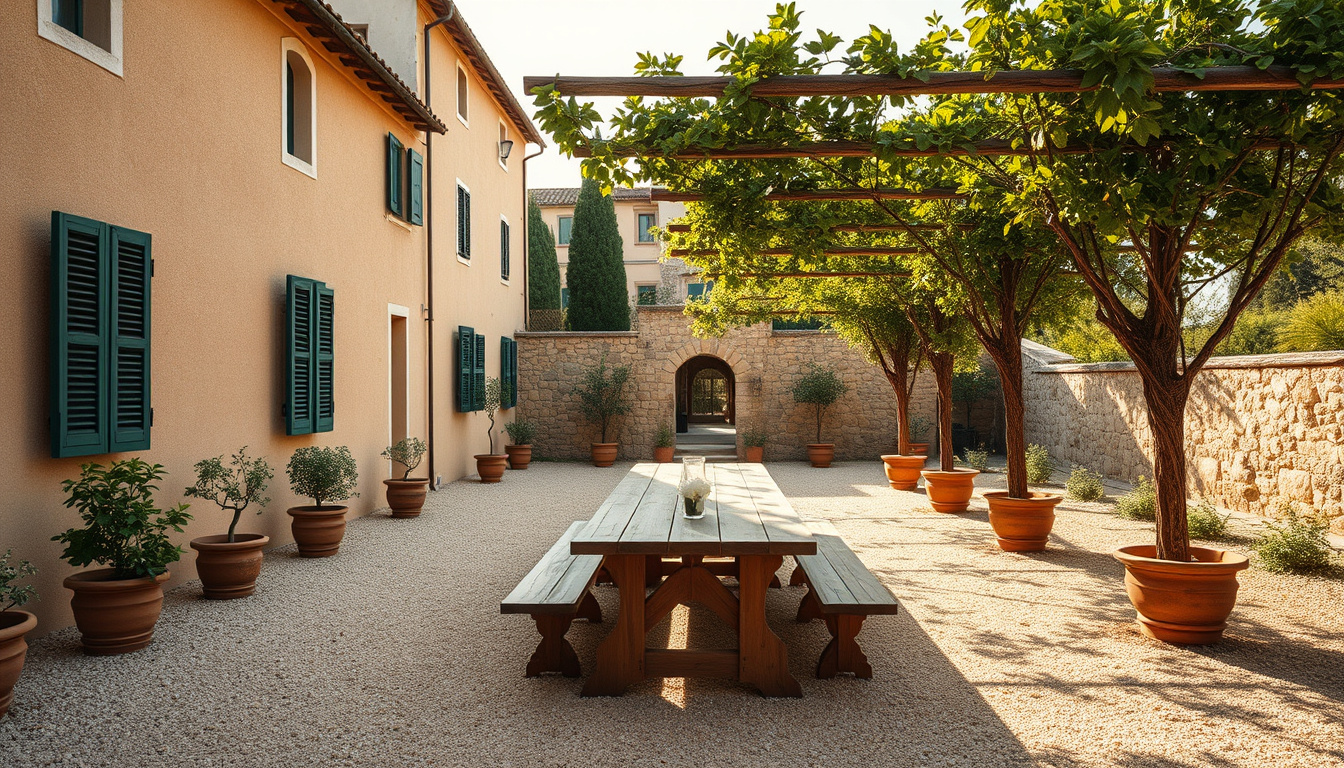
A baglio is a fortified courtyard farm building, and several have been restored for events: long tables under vines, a courtyard for aperitivo, rooms on site. The same is true of many wine estates and agriturismi in the interior.
The advantages are matter-of-fact. Guests who sleep where they celebrate remove most transfer problems. Long shared tables suit a documentary approach. Rural roads are narrow, though, so think in minibuses rather than full coaches, and the drive out is long for anyone leaving after midnight.
Two things are worth deciding early. First, who caters: some estates cook in house, others work with an approved list, others allow anyone — and the answer changes both the atmosphere and the budget, which I have set out in the cost breakdown. Second, sunset. In the interior, dinner often begins while the light is still good, which means the golden hour can arrive during the first course. Do you leave the table for twenty minutes, or accept that the evening photographs happen after dark? I would settle that in advance rather than on the night.
Coast, beach clubs and island venues
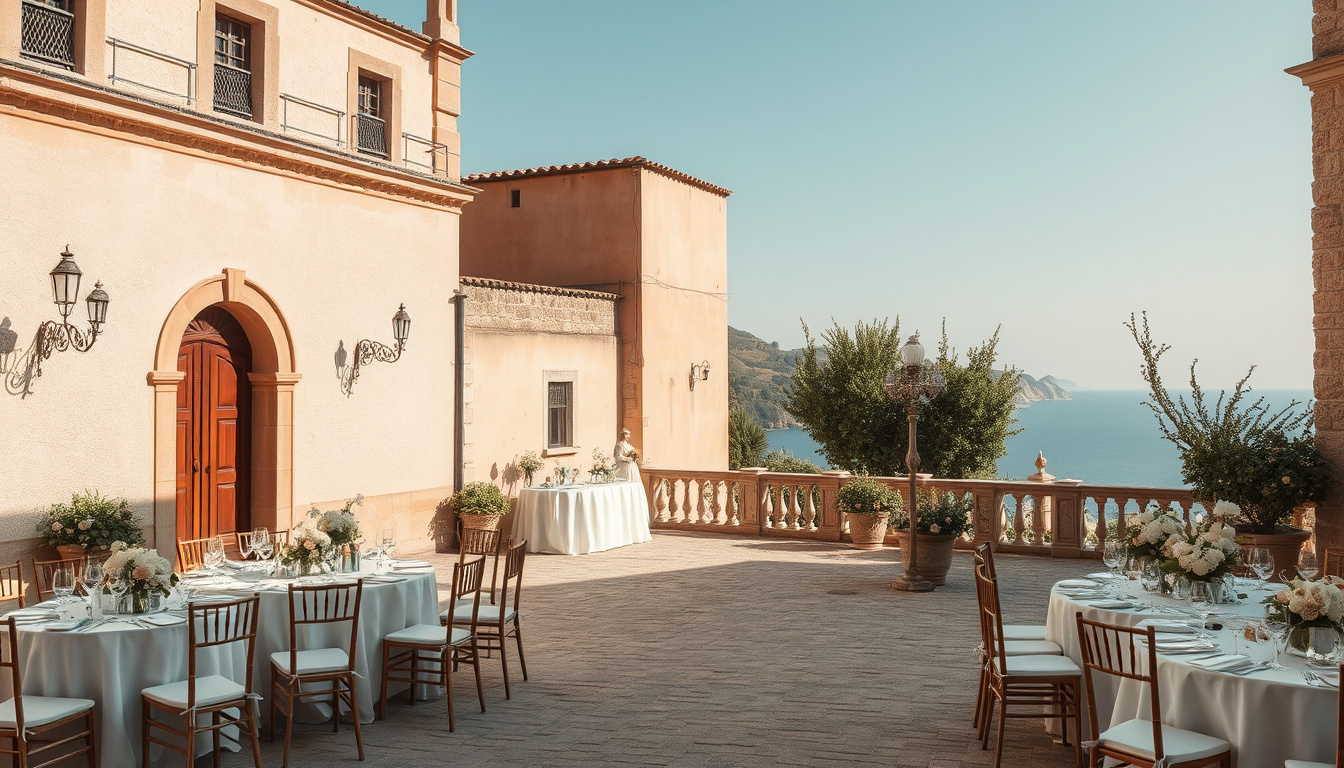
A beach club or lido is the easiest coastal option to run: parking, trained staff, a covered space within a few metres of the water. What it costs you is exposure. Wind moves veils, candles and hair, and it takes sound with it, so a ceremony by the sea often needs a microphone or a small guest list. Sand takes shoes, chair legs and tripods. The evening light over the water is beautiful and brief.
One thing not to assume is the legal side. A symbolic ceremony on a beach is straightforward; a civil ceremony on one is not, and the answer depends on the Comune. Ask before you build a day around it.
Island venues, in the Aeolians and the Egadi, are their own category. Everything arrives by sea: flowers, catering, equipment, guests' luggage. Schedules need margin because sea conditions, rather than temperature, decide whether the hydrofoil runs, and a buffer day before the wedding is not a luxury. Guest numbers are usually limited by how many beds the island has, which keeps these weddings small.
The trade-offs, side by side
Read each line as a starting point for questions, not a verdict.
- Garden villa or estate. Best when you want one location, an outdoor ceremony and room for guests to move. Watch: heat and moving shade, the wet-weather plan, transport if it is rural.
- City palazzo. Best when the architecture and the town are the point. Watch: very dark interiors, traffic and restricted zones, guests moving between two buildings.
- Winery or baglio. Best for long tables, an informal rhythm and guests staying on site. Watch: rural access, the catering arrangement, sunset arriving during dinner.
- Beach club or lido. Best when the sea is the reason you chose Sicily. Watch: wind, sand, sound, and how many guests the space really holds seated.
- Island venue. Best for a small wedding where the journey is part of the occasion. Watch: ferry timings, luggage, and suppliers travelling with the weather.
Two illustrative shapes to the day
These are illustrations, not templates. Your date, the venue, the driving times and your suppliers will change all of it, and neither sequence is right for every wedding.
A villa day
Guests arrive in the mid-afternoon heat. The ceremony is held in the shade of the garden, with aperitivo in the courtyard while the light softens. Dinner is served outside as the sun drops, and the twenty minutes before sunset are the only window for portraits in warm light. Dancing moves indoors, or under a covered space, once the evening cools. The risk here is the golden hour landing in the middle of the first course.
A palazzo day
Preparation happens in a hotel or apartment with real window light. The ceremony takes place in a municipal hall or a church, followed by a short walk or drive through the centre with guests following on foot. Aperitivo in a courtyard buys you the last of the daylight; dinner in a frescoed room is lit by the room itself. By the time the meal ends, the interiors are dark — which is atmosphere, but it is not light.
What to ask for before you book, from another country
You cannot see a venue from a laptop, but you can ask for the right things. These are the requests I would make first; the fuller list of questions sits in what to ask a Sicilian venue.
Read the answers side by side. Two venues that look identical on a website can differ on every line above, and that difference is what you are actually choosing between.
If you are weighing a garden villa against a city palazzo, or wondering whether the coast is worth the logistics, tell me your date, your rough guest number and what matters most to you. I will tell you honestly what each choice tends to mean for the photographs, and where it usually goes wrong. Get in touch about your date in Sicily.
- Photographs or a short video of the space empty , taken at the hour your ceremony will happen — not at golden hour in May.
- A written description of the wet-weather plan, and how quickly it can be put in place.
- Who caters, and whether an outside caterer is possible.
- What music is allowed, indoors and out, and until when.
- Seated capacity for dinner, and a separate figure for the ceremony.
- The drop-off point for cars, taxis and minibuses, and how far guests walk from it.
- A getting-ready room with natural light, if you plan to dress on site.
- One named contact who will answer in English and be present on the day.
Frequently asked
- Can we hold the ceremony and the reception at the same Sicilian venue?
- Sometimes. Symbolic ceremonies are often held at villas, estates and some bagli where you also dine, which keeps the day in one place. Civil ceremonies are normally celebrated at a municipal venue, so expect to move between two sites. Confirm what your chosen venue and the relevant Comune allow before you build the running order.
- Is an outdoor ceremony realistic in July and August in Sicily?
- It can be, with shade, a later start and a genuine indoor alternative. High summer in Sicily is hot and humid, particularly inland and in the cities, and the light stays harsh well into the evening. I would look hard at June or September for a long outdoor ceremony, and ask the venue where the shade sits at your hour.
- Does the venue type change the photographs?
- Yes, more than the decoration does. Gardens give soft, mixed light and space to move; palazzi give dark interiors and strong contrast at doorways; coastal venues bring wind and a short window of good evening light. The category usually decides the timing of the day, and timing decides the photographs.
- Are island venues practical for guests?
- For a smaller wedding, yes, provided everyone understands that the crossing is part of it. Flowers, catering, equipment and luggage all reach an island by sea, so schedules need margin and a buffer day before the wedding is wise. Accommodation on the island usually limits guest numbers naturally.
Sources & further reading
Photographed across the whole island
See how a Sicilian wedding day is documented on the Destination Wedding Sicily home page, explore the location guides, or view the full Italian portfolio at rosariospadaro.com.
Check your dateKeep reading