Do You Need a Wedding Planner in Sicily? What to Keep and What to Delegate
26 September 2026 · 8 min read · Rosario Spadaro
Most couples who marry in Sicily do not need a full wedding planner. Almost every wedding here does need one person holding the running order on the day, and that person is rarely the photographer. Whether you need help comes down to three things: how many guests are travelling, how many separate places your day uses, and how much of the planning has to happen in Italian, from another country. What follows is what a Sicilian wedding actually demands, what a planner changes, and what you can keep for yourselves.
What a Sicilian wedding day actually asks of you
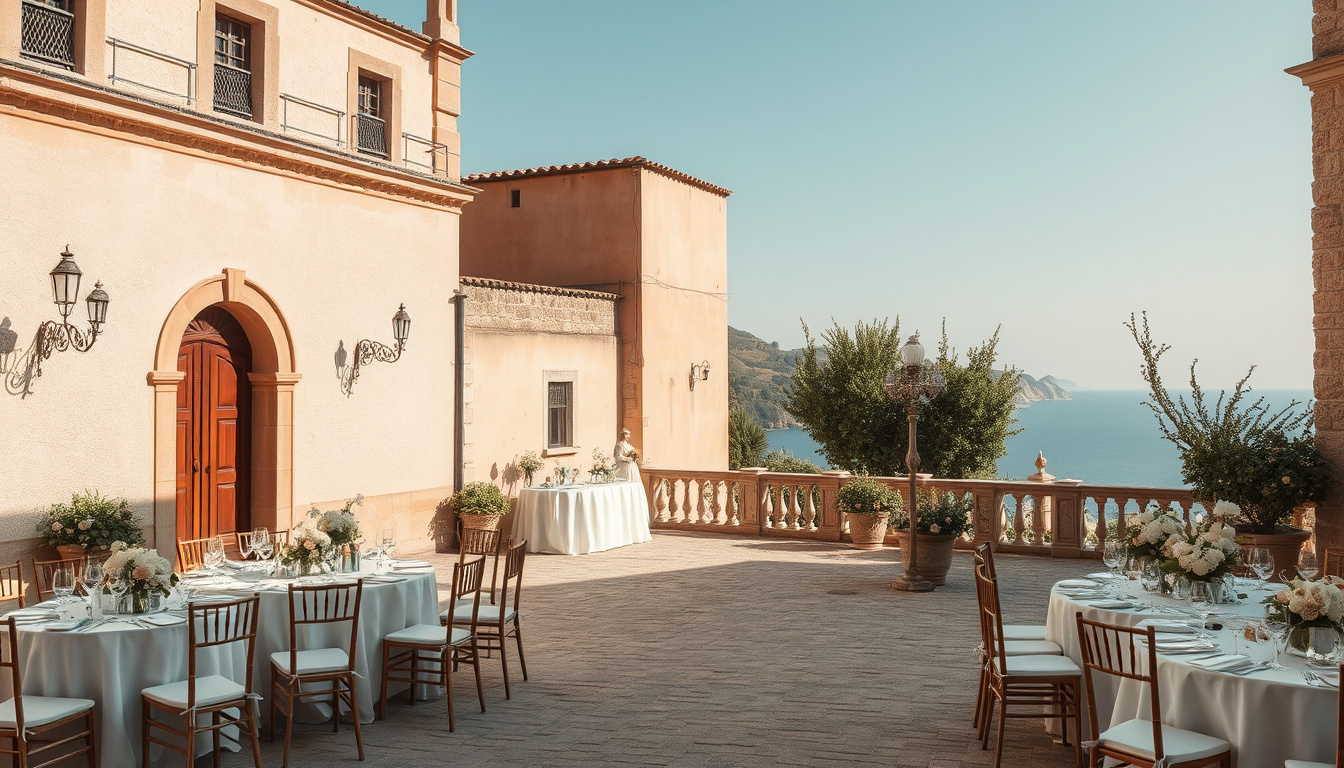
Sicily rarely gives you one building for eight hours. Most weddings here use at least two places: a church, a Comune room or a symbolic setting for the ceremony, and somewhere else for the meal and the dancing. Guests arrive by coach, minibus or a line of hired cars. The ceremony tends to happen in the cooler part of the day, the meal runs long, and the dancing starts late.
None of that is complicated. What it means is that a list of small decisions has to be made by someone, and then held on the day:
You can make every one of those decisions yourselves. The real question is who carries them once the day begins.
- what time the ceremony starts, and what has to be true for that to happen
- how guests move between the two places, and who travels with whom
- who meets each supplier on the day — the florist, the band, the catering team
- when the meal is served, and whether the venue has a music curfew
- what happens if it rains, and who makes that call
What a planner does that is genuinely hard from abroad
Planning from another country is not harder because the decisions are difficult. It is harder because you are far from the place where the answers live. A planner's value sits in a handful of concrete things, and it is worth naming them so you can judge the fee honestly:
The last point is the one couples underestimate. Someone has to hold the running order, absorb the small problems and decide when to move on. If it is not the planner, it will be you, a parent or a friend — on a day when you are wanted elsewhere.
- They can stand in a venue on an ordinary weekday and see what a website cannot show you: how the light falls at six in the evening, where the noise comes from, the staircase your grandmother will have to climb.
- They can meet suppliers in person, in Italian, and read the contracts and invoices you would otherwise be reading in your second language.
- They can chase the Comune, the parish and the venue office on your behalf, in office hours that do not match your time zone.
- They can be the person answering the phone at two in the afternoon on the day itself, which is a poor job for either of you.
What you can reasonably handle yourselves
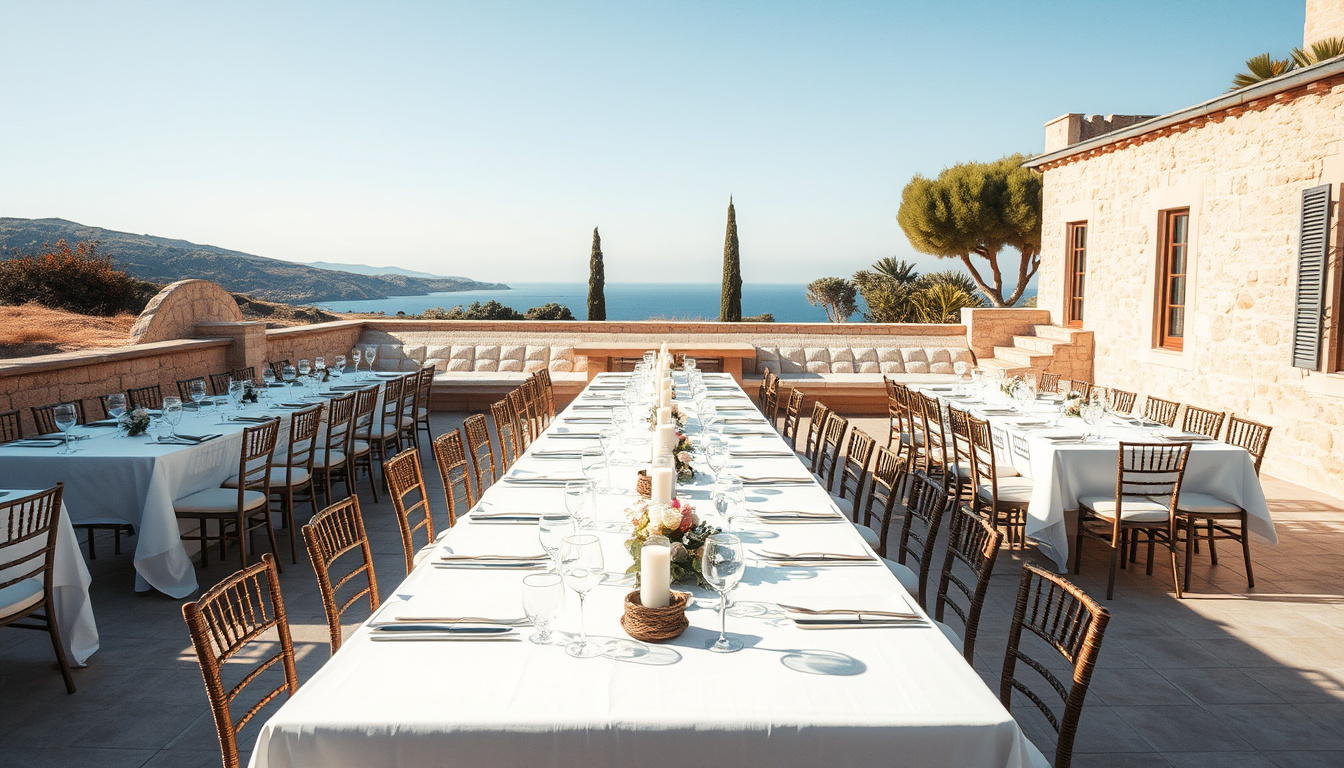
A wedding that happens in one place asks much less of you. If the ceremony, the meal and the dancing all take place at the same venue, that venue's own events manager usually runs its staff, its kitchen and the setting of its rooms — a genuine job already done by someone else. Add a symbolic ceremony for thirty or forty guests and your remaining list is shorter than you think.
The gap appears outside the venue's walls: the time the ceremony really starts, how guests get there, what happens if a coach runs late, and who decides when dinner is served. If you choose to keep all of that in-house, choose it deliberately. Name the person who will hold the schedule, give them the supplier contacts and a written order of the day, and accept that they will be working while everyone else celebrates. That is the honest trade-off — not money, but attention.
The one role almost every wedding day needs filled
Take an illustrative shape, and not a schedule to copy, because it depends entirely on your date, your venue and your suppliers. A ceremony at 17:30. Aperitivo at a venue fifteen minutes away at 18:45. Dinner at 20:00. Portraits somewhere between the two, in the last strong light. If the ceremony starts half an hour late, everything downstream moves with it. The portraits land in a flatter hour. Guests stand in the heat instead of sitting with a drink. The kitchen compresses the meal into a shorter evening.
None of that is a catastrophe. It is simply visible in the photographs. Late afternoon light in Sicily is forgiving, but light with shape and direction, and the flat half hour just before sunset, produce very different pictures. Someone needs the standing to say we are starting now, without waiting for permission.
The other thing good coordination protects is the group photographs. Ten minutes with everyone in one place, before the aperitivo scatters them, is worth far more than an hour of chasing guests later. That works only if one person knows which relatives to gather first and does it briskly, without turning the day into a production. This is the part of the day I watch most closely, because it is the part that is easiest to lose.
Full planning, partial planning or just the day itself
Planners in Sicily describe their work in different ways, so compare scope rather than titles. Broadly, four shapes exist:
Whichever you choose, ask the question that settles most disputes later: who is on site on the day, for how many hours, and with authority to do what. If that answer is vague, the scope is vague. If you have not yet settled the venue, the questions to ask a Sicilian wedding venue will tell you what a venue already covers and where the gaps usually open up.
- Full planning. They find the venue, the caterer and the rest, hold the budget and run the day. It earns its fee when your wedding is large, when the ceremony and the reception are far apart, or when you have no realistic way to meet suppliers before you arrive.
- Partial planning. You have chosen the venue, perhaps the photographer, and they take on everything else including the timeline. A sensible middle for couples who have time but no local knowledge.
- On-the-day coordination. They inherit your plans, turn them into a running order, brief the suppliers and run the day itself. Usually booked months in advance, and they will ask for your contracts and contacts before they agree.
- No planner. Perfectly workable, and common. It needs a venue that runs its own service and one trusted person holding the schedule, with your clear agreement behind them.
Questions to ask a planner in Sicily before you book
Send the same list to everyone you are considering and compare the answers side by side. What you are testing is not warmth but precision.
- What exactly is included, and what would be charged as an extra?
- How is your fee structured — a fixed fee, a percentage, or a mix — and does it change if our guest numbers change?
- How many other weddings will you be running on our date?
- Who will be on site on the day, and for how many hours?
- How do you divide the work with the venue's own coordinator and its catering team?
- Who writes to the Comune, the parish and the suppliers, and in which language?
- How do you present the budget, and who pays suppliers, and when?
- What happens if a supplier cancels close to the date?
- Can we speak to two couples whose weddings you ran in the last year?
Planning from abroad: what to agree in writing
Distance makes vagueness expensive. Before you sign anything, give the planner a clear brief: guest numbers and ages, arrival and departure dates, the kind of ceremony you are having and what it requires, your ceiling budget, the two or three things you will not compromise on, and the parts of the day you want to keep in your own hands.
Ask for a written scope in return, a named contact for the day, and a draft running order you can read months before the wedding. Confirm two things early, because they catch couples out: what the venue already includes before you pay someone else to arrange the same thing, and who owns each piece of the guest journey — transfers, accommodation, the welcome dinner.
Our guide to airports and transfers in Sicily covers the arrival side in detail, and planning a three-day wedding weekend is worth reading before you decide what to delegate. For the wider picture of where money goes, the budget breakdown sets out the lines that matter most.
If you are still deciding how much help your wedding needs, tell me your date, the location and roughly how many guests you expect. I will tell you what I have seen work on days like yours, and where couples usually wish they had asked sooner. Check your date here.
Frequently asked
- Is a wedding planner compulsory for a wedding in Sicily?
- No. There is no single rule, and arrangements vary by venue and by ceremony. Some venues include their own coordinator in the hire; others simply expect a named contact on the day. Ask your venue what it provides and what it expects from you before deciding whether to hire anyone else.
- Can the venue's own coordinator do the same job?
- Partly, and mostly inside the venue. A venue coordinator looks after the venue's staff, kitchen and spaces. They will not normally manage your coach company, your church timing or your other suppliers. Clarify that boundary in writing, because it is where expectations quietly diverge.
- Do we need a planner if we are eloping or marrying with a handful of guests?
- Usually not. The logistics shrink to a ceremony, a meal and somewhere to stay. The two areas where help is still worth considering are the ceremony arrangements themselves and movement between locations on the day. Ask what the Comune, the parish or the venue expects from you.
- How much does a wedding planner cost in Sicily?
- Fees vary with scope, guest numbers and how many days you are in Sicily, and I would not give you a figure that would be honest for your wedding. Ask each planner for a written scope, how fees are structured and what is excluded, then weigh the total against the time and travel you would otherwise spend.
Sources & further reading
Photographed across the whole island
See how a Sicilian wedding day is documented on the Destination Wedding Sicily home page, explore the location guides, or view the full Italian portfolio at rosariospadaro.com.
Check your dateKeep reading