Wedding Permissions in Sicily: What Needs Authorising Before the Day
12 October 2026 · 8 min read · Rosario Spadaro
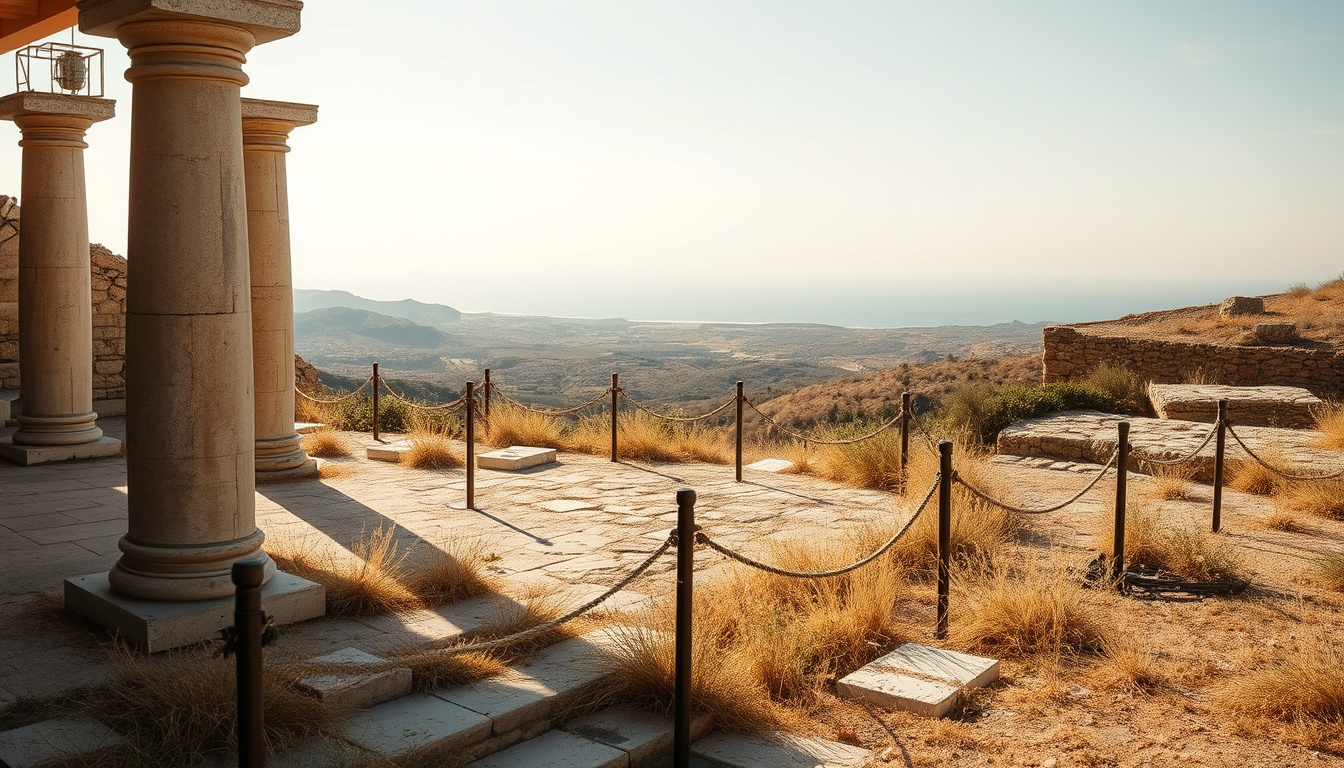
Most Sicilian weddings need no permission at all: if you have booked a private villa, hotel or restaurant, photography and decoration sit inside your contract. The memorable exceptions are the ones that do. Ceremonies and portrait sessions inside protected monuments, archaeological parks and nature reserves are granted by the body that manages the site, often months in advance and on its terms. Inside a church, the parish decides. The practical work is finding out who decides, and asking early.
Start by identifying who decides
Almost every question about permissions comes down to one thing: who controls the space. In Sicily there are four answers, and they behave in quite different ways.
The first practical step is to ask the venue what it already holds and what you would have to apply for separately. Some Sicilian venues hold their own permissions; others do not, and the difference is not always obvious from a brochure. If you want a general list of the questions worth sending, what to ask a Sicilian wedding venue before you book covers them.
- A private venue — a villa, hotel, restaurant or winery you have booked. Permission is part of your contract: you are renting the space, and photography, decoration and timings sit inside whatever that contract allows.
- A parish church. The parish, and in practice the priest, decides what happens inside the building.
- A public street, square or pedestrian centre. The municipality for that town is the body to ask.
- A protected monument, archaeological park or nature reserve. The authority that manages the site decides, and its conditions are usually the least negotiable of the four.
Ceremonies inside monuments: the lead time is the real constraint
Some of Sicily's most striking spaces can host a ceremony, but almost never at short notice, and rarely at the hour you would have chosen.
In Taormina, symbolic ceremonies at the Teatro Antico require authorisation from the regional heritage office, requested months in advance, while civil ceremonies are celebrated at Palazzo Corvaja. Those two routes are not interchangeable, and the paperwork sits with the heritage authority rather than the town hall. The Taormina guide sets out what each involves.
At the Castello di Donnafugata, near Ragusa, events are managed by the Comune di Ragusa and must be requested well in advance; the venue is popular and the available dates are limited.
The trade-off is worth stating plainly. A monument gives you a setting no villa can reproduce, and a fixed slot you cannot move. Guests arrive and leave on the site's terms, the reception usually happens somewhere else, and the day contains more movement than a single-venue wedding does. If your guest list includes people who find heat, steps or long walks difficult, that belongs in the decision rather than in a footnote.
Photography access inside parks and protected reserves
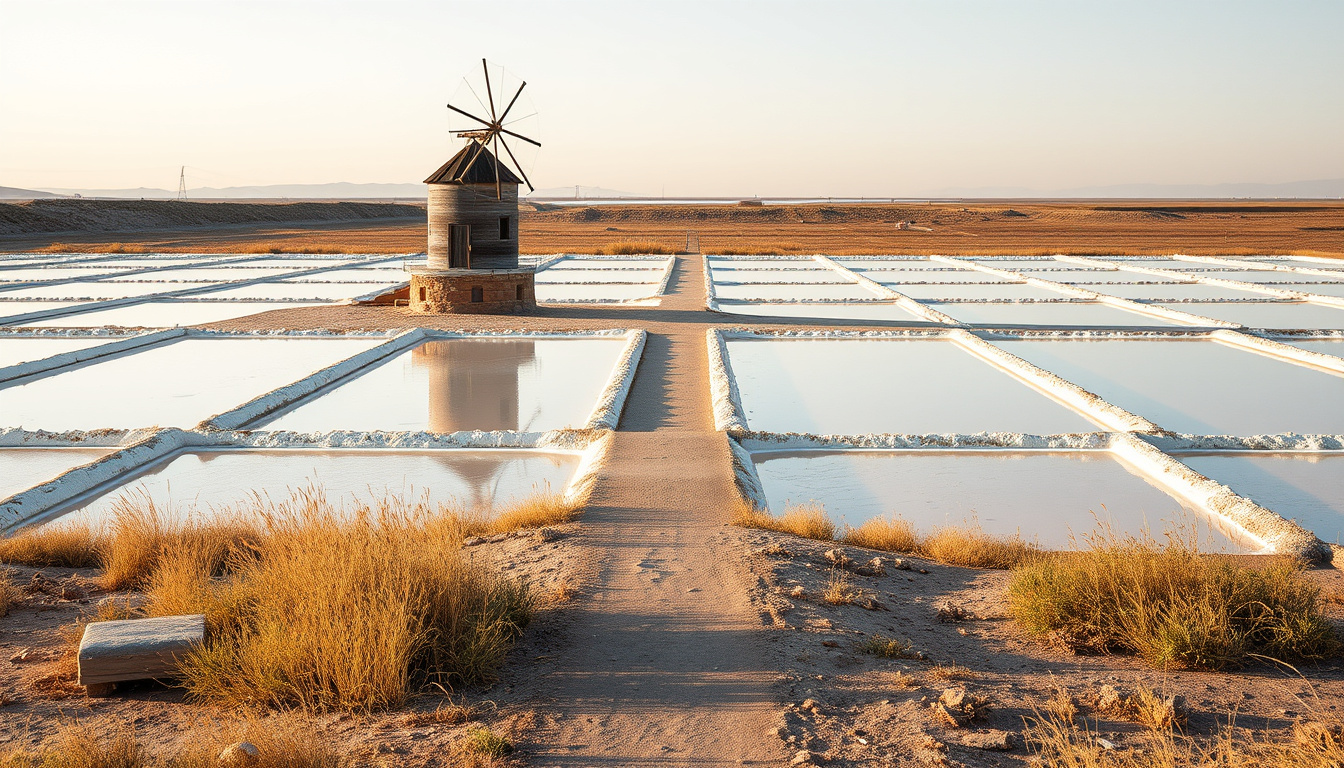
Photography inside a protected site is not always covered by the arrangement you have made with the venue. At the Valley of the Temples in Agrigento, access for photography requires a paid authorisation booked in advance, and drones are not permitted. The salt pans at Trapani are a protected reserve: access for photography is allowed, but drone use requires authorisation. Both are described in the Agrigento and Trapani guides.
Those two examples show the pattern. The site decides whether you may come, when, with how many people and with what equipment. A portrait session at a monument usually means a small group — the two of you, a photographer, perhaps one assistant — moving through an area that is open to visitors, within a limited window.
If you are hoping for a large bridal party, additional lighting, a video crew or a drone, assume that each of those needs its own conversation, and that the answer may be no. Ask early enough that a refusal does not land in the final weeks.
Churches and public spaces: the parish and the Comune
Inside a church, the parish decides — not the venue, not the planner and not the photographer. That includes where a photographer may stand, whether flash or additional lighting is allowed, how much movement is acceptable during the rite, and whether you may stay afterwards for portraits. These rules vary from parish to parish, which is why a general answer is worth less than a direct one from the priest who will celebrate your wedding.
Ask about the details that will actually shape your photographs:
Out of doors, public streets and squares are usually the simpler part of the day. Working early or late, keeping pavements and entrances clear and not blocking a shop doorway solves most of it. Where a town centre is pedestrian-only — Taormina is the clearest case, with cars kept out of the historic centre — the practical question is distance rather than permission: how far your guests have to walk, in what heat, and over what surface. Where a town does require a permit, the municipality for that town issues it; ask your planner to confirm in writing what it covers and who holds it.
- whether the photographer may move during the ceremony, or is asked to stay in one position
- whether flash, additional lighting or a second camera is permitted
- how long you may remain in the church after the ceremony
- whether another ceremony follows immediately afterwards
- whether the parish has its own photographer, or restrictions on video
A question list to send before you shortlist
Send these together, in writing, before you shortlist. The answers will tell you as much about a place as its photographs do.
- Who grants permission for the ceremony space — and who grants it for photographs, if that is a different person or office?
- What does the permission cover? The two of you only, or also a photographer, an assistant, a videographer and your guests?
- Is there a fee, and who pays it?
- What hours are we allowed on site, and may guests stay for the whole time?
- What is not permitted — tripods, additional lighting, drones, confetti, furniture, outside catering?
- Who holds the authorisation on the day, and to whom is it shown?
- What happens if the weather turns, or if the permission is granted late?
- If permission is refused, what does the site offer instead?
Protected site or private venue: what each one gives you
Most couples are really choosing between two shapes of day. It is worth being honest about what each one gives you.
Neither is the better choice. The useful question is which set of constraints you can live with, because once an authorisation is granted, its conditions do not move.
- A private venue — villa, hotel, restaurant or winery. Permission sits inside your contract. You control decoration, catering and timing, guests stay in one place, and a wet-weather plan is usually a matter of moving indoors. The day is easier to hold together, and a photographer can work without negotiating anyone else's rules.
- A protected monument, park or reserve. You get a setting and a sense of occasion that is hard to match, and in exchange a fixed slot, limited access, a reception elsewhere and, at some sites, a fee for photography access. The photographs can be just as good — but they are made inside someone else's schedule.
What permissions change about the photographs
Permissions are not only paperwork. They change what the photographs can be, in ways that are easier to accept when you know about them in advance.
An illustrative shape, not a formula: a fixed ceremony slot on site, a short session together while your guests move on to the reception, and portraits made in whatever light that hour offers. It is a perfectly good way to be photographed. It simply needs to be planned rather than hoped for.
- Time. A fixed slot means portraits happen when you are allowed on site, which may not be the hour with the kindest light. A midday slot asks for shade and patience.
- Position. Where the photographer may stand decides whether the ceremony is photographed from the front, from the side or from the back of the guests.
- Movement. If the photographer has to stay in one place, coverage depends on a long lens and on what is visible from that position.
- Other people. Visitors, opening hours and other ceremonies reduce the quiet minutes you may have pictured.
- The route. Walking distances, steps and heat decide how much of the day can be photographed on foot, and how far your guests are asked to move.
Arranging all of this from another country
Distance makes two things harder: knowing who to ask, and knowing when to stop asking and start booking.
Ask for names rather than departments. A permission that comes through a planner's local contact is normal; a permission that is expected 'sometime in spring' is not a plan. Put three things in writing: who is applying, who pays, and who holds the document on the day. Keep your own copy, with an English translation if the original is in Italian, so that nobody has to reconstruct the arrangement at the last minute.
Then decide the fallback before you need it. If the authorisation is refused or delayed, what happens instead? A villa garden, a private courtyard or a church around the corner can carry a wedding day perfectly well, and knowing that in advance is the difference between a setback and a problem.
If you are travelling to Sicily before the wedding, use the trip for this as well as for looking at rooms: ask the venue to put you in touch with whoever handles authorisations, and settle the question while you are standing in the space rather than by email in February.
If you are weighing up a ceremony or a portrait session inside a monument, a church or a private villa, tell me the date, the place and what matters most to you, and I will tell you honestly what the photographs will need. Check your date.
Frequently asked
- Do we need permission to have wedding photographs taken in a Sicilian town?
- Usually not, if it is the two of you and one photographer working in public streets and squares; it is mostly a question of timing and courtesy. If you plan extra lighting, a large crew, a drone or access to an area that is normally closed, ask the municipality for that town well in advance.
- Can we use a drone at our wedding in Sicily?
- It depends on the site. Drones are not permitted inside at least one of Sicily's main archaeological parks, and in the Trapani salt pans their use has to be authorised. The body that manages the place makes the decision, so ask before you build aerial footage into your plans.
- Can the ceremony itself be held inside a monument?
- Sometimes. Symbolic ceremonies at Taormina's Teatro Antico are permitted with authorisation from the regional heritage office, arranged months ahead. Elsewhere, as at the Valley of the Temples, ceremonies are held at the Comune or in licensed venues while the park grants photography access. Ask the site authority directly rather than relying on a third party's account.
- Who should arrange the permission?
- Usually the person with the local relationship: your planner, or the venue's coordinator. What matters is that one named person applies, that you know about any fee, and that a copy of the authorisation reaches you before the wedding. Agree it in writing before you book anything else.
Sources & further reading
Photographed across the whole island
See how a Sicilian wedding day is documented on the Destination Wedding Sicily home page, explore the location guides, or view the full Italian portfolio at rosariospadaro.com.
Check your dateKeep reading