Wedding Venues in Western Sicily: Trapani, Erice, Marsala and the Egadi
11 October 2026 · 9 min read · Rosario Spadaro
Western Sicily — the province around Trapani, with Erice on the mountain above it, Marsala to the south and the Egadi islands offshore — suits couples who want sea, salt, wine and stone without the crowds of the east. It is quieter and more spread out, and that is the trade-off: fewer large hotels, most guests needing a minibus or a shared car, and an island option that depends on the sea behaving. This guide compares the four bases on the things that actually decide a wedding day.
What western Sicily asks of a wedding
This is the quiet end of the island. Trapani is a working port on a narrow peninsula, Erice sits on the mountain above it, Marsala spreads south through vineyards and salt lagoons, and the Egadi lie offshore. Between them they offer four quite different weddings and one shared constraint: your guests will need wheels.
Transport is the first thing to solve, not the last. The towns are close on a map but not walkable between each other, receptions end late, and taxis are scarce outside the cities. Most weddings here run on minibuses from one guest base, or on guests sharing cars with a designated driver.
Ceremony type comes next. A civil ceremony is arranged through the local Comune, a religious one through the parish and its own requirements, and a symbolic one through your celebrant. Which of these each place can host is a question for the office handling your file, and it comes before the venue shortlist, because each ceremony asks for a different room and a different set of documents.
Trapani: the city, the coast and the salt pans
Trapani offers three settings inside one municipality: the baroque centre on its peninsula, the coast either side of it, and the salt pans running along the road towards Marsala.
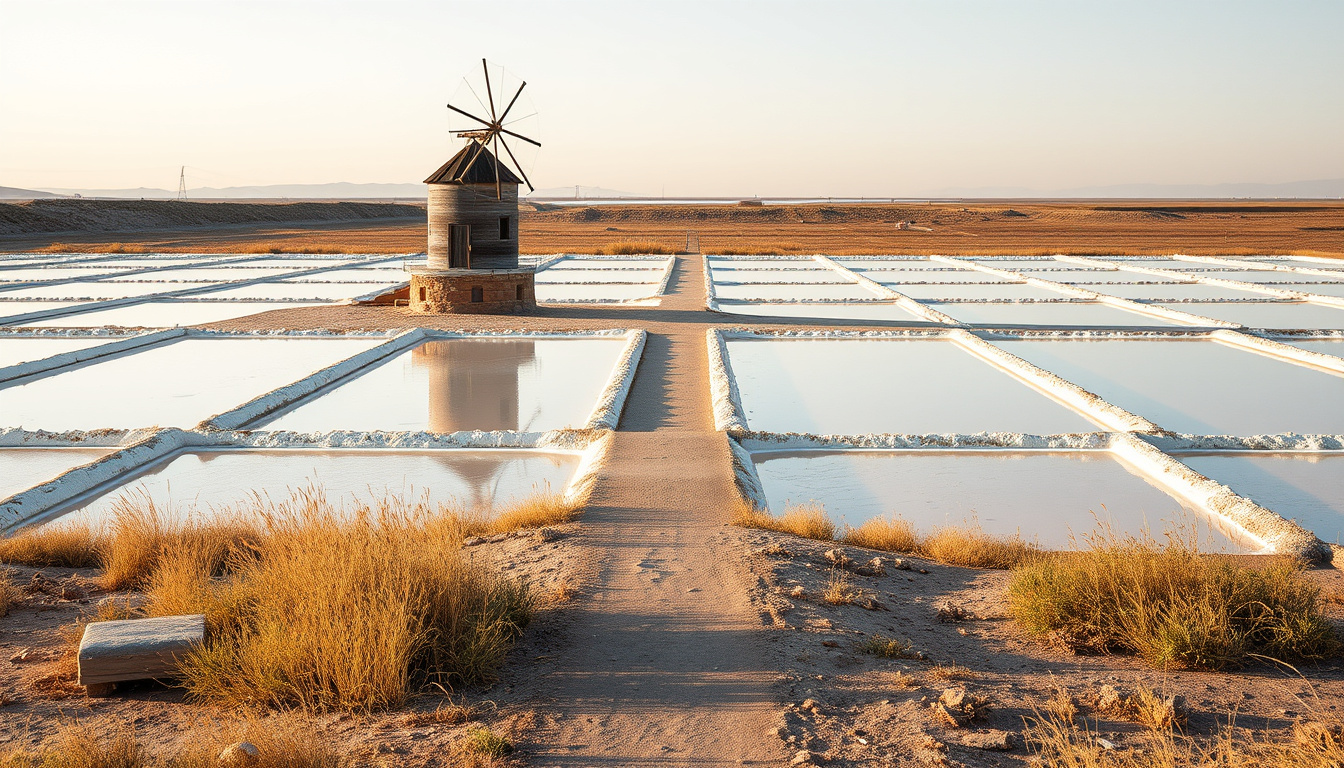
The salt pans are usually why couples look here at all. Shallow basins divided by low banks of white salt, wooden windmills, still water and a horizon with nothing on it. The basins colour as the season advances, and the light is at its most workable in the hour or so before sunset.
Photographically this is an exposed landscape. Late in the day it gives soft, even light and long reflections; at midday in summer there is almost no shade and the flatness works against you. If your ceremony is early, keep the portraits for after dinner and come out when the wind drops and the light turns gold.
Wind is part of the character and it affects more than hair: a loose veil, an unweighted tablecloth, a light centrepiece, a paper order of service. Worth asking before you plan anything outdoors: where vehicles stop, how far guests walk in and on what surface, where older guests can sit out of the wind, and whether the reserve requires permission or a fee for photography on the day.
The Trapani destination guide covers the city's ceremony arrangements and the locations used here.
Erice: marrying in the mountain town
Erice is a stone town on Monte San Giuliano, high above Trapani, reached by road or by cable car from the coast. Guests tend to remember the crossing up.
Two things change when you move a wedding up here. The first is temperature: evenings are cooler than on the coast, and outside high summer the town can be cold and wrapped in cloud, which is atmospheric but demands a wet-weather plan. The second is the ground: lanes, steps and polished stone. If your guest list includes older relatives or small children, the walk between ceremony and reception is a real consideration rather than an afterthought.
For photographs, Erice is unusually generous. The lanes give shade and stone texture at almost any hour, so you depend less on sunset than you would on the coast. Cloud removes the panorama but flatters faces and flattens contrast in a way many couples like. Treat the view as a bonus, not a promise.
Ask about the cable car timetable for the evening your guests travel, and about what happens if the weather closes in: where the ceremony moves, and who makes that call.
Venues and locations in and around the town are listed in the Erice destination guide.
Marsala: bagli, wine estates and the lagoon
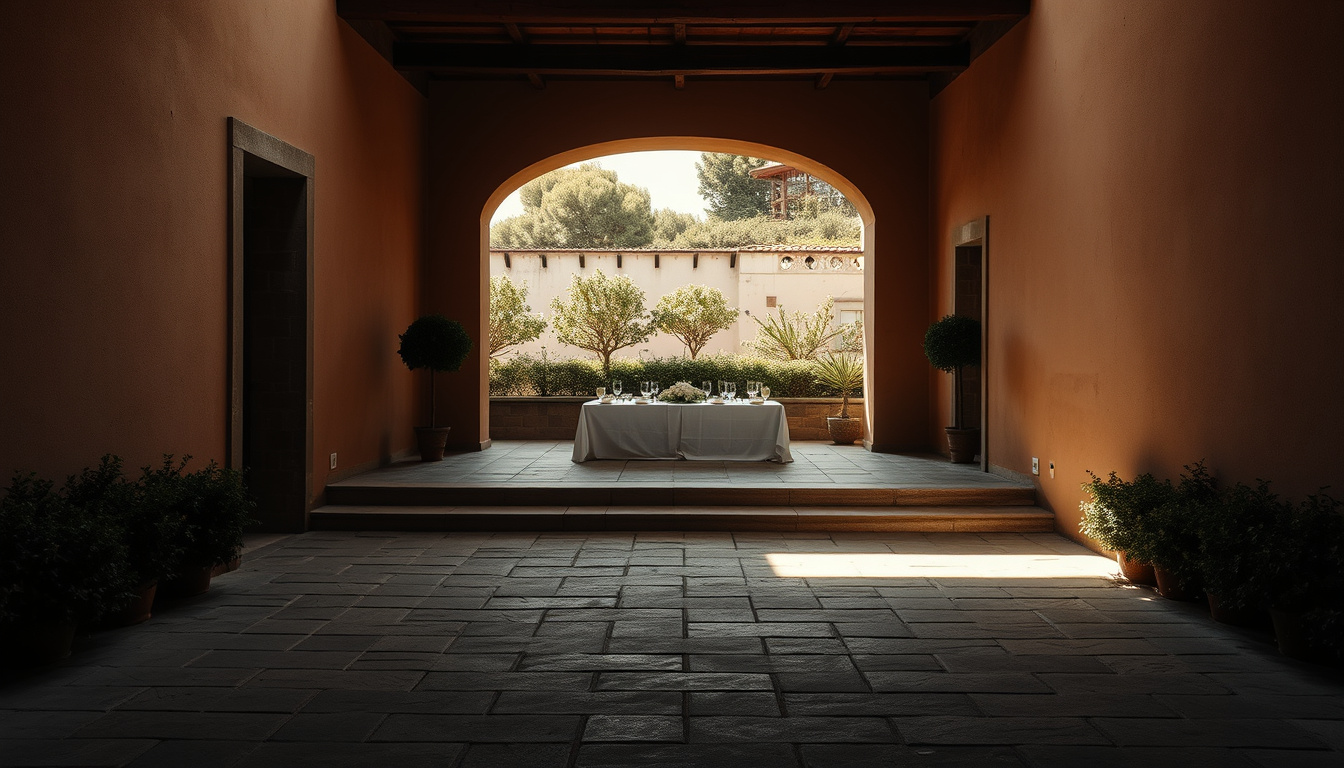
Marsala is the west's wine country. The form most couples picture is the baglio: a fortified courtyard estate where ceremony, dinner and often the bedrooms sit inside the same walls. That removes the transfer problem almost entirely, which is why these venues suit weddings with a wide age range.
Practically, this is the most self-contained of the four options and the furthest south, which lengthens the road journey for guests arriving by air. If the lagoon side of town is in your plans, note that the water, the salt pans and the island of Mozia form a protected archaeological and natural area with its own access rules, so raise photography and access early rather than on the day.
A baglio is a study in contrast: glaring courtyards and dark, high-ceilinged interiors, usually with one strong doorway of light. Ask to see the interior at the hour dinner will be served, and ask whether dinner is planned inside or out. That answer changes the light you are photographed in far more than any styling decision.
Ask which ceremonies the estate can host legally and which would be symbolic with the legal part handled elsewhere, then confirm it with the Comune rather than with the venue's own material. The Marsala destination guide sets out what the area offers.
Favignana and the Egadi: an island wedding
Favignana is a hydrofoil ride from Trapani, with tuff quarries, turquoise coves and a pace that suits couples who want the day to feel like an escape. Levanzo and Marettimo complete the archipelago.
The logistics are the story. Everything — flowers, the band, the cake, the photographer's equipment, your dress — crosses on the ferry. In summer private cars are heavily restricted on the island, so guests move by bike, scooter or shuttle, and numbers are naturally limited by accommodation. Suppliers often travel over from Trapani, which means sea conditions, not your timetable, have the final word.
Build a buffer day either side and ask every supplier, in writing, what happens if a crossing is cancelled or moved. That single question prevents most island-wedding panic. Ask, too, whether the ceremony you want can be held legally on the island or whether the paperwork is completed on the mainland.
Photographs here are bright and hard-edged: white stone, strong colour in the water, glare off every surface. Keep the last two hours before sunset for the images that matter, and leave the middle of the day for shade, food and swimming. The Favignana destination guide has the practical detail.
Comparing the four, honestly
None of them is best in every respect. The trade-offs tend to fall out like this:
An illustrative shape to the day
Illustrative, not a template — dates, venues and suppliers change everything. Say a wedding in early June with guests based in Trapani and a ceremony at a coastal venue outside the city. Guests arrive by minibus while the last of the afternoon heat sits on the stone. The ceremony starts in the early evening, as the light softens and the wind picks up. Dinner follows at the same place, long and unhurried. The two of you slip away for portraits in the half hour before sunset rather than in the middle of the afternoon, and come back to speeches and the first dance. Music stops at whatever hour the venue and its neighbours allow — a detail to settle in writing long before the day.
- Trapani city. The widest choice of hotels, restaurants and services, with the salt pans a short drive away. Traffic, parking and drop-off points need thought, and a late reception in the centre has to respect the city around it.
- The salt pans. The most distinctive light in the province and the least forgiving in wind and midday heat. Usually paired with a hotel base in Trapani; check how guests get in and out after dark.
- Erice. Cooler, more sheltered, superb stone to photograph in, and closer to a village atmosphere. Cloud and steep, stony ground are the things to plan around.
- Marsala. The most self-contained — rooms, dinner and ceremony in one place, fewest transfers. Further south, so longer road journeys, and interiors that need thought if you want natural light in the evening.
- The Egadi. The most memorable setting and the most fragile logistics: fewest guests, a sea crossing at the centre of the plan, and a genuine need for spare days.
What to ask before you shortlist
Send these in one email, roughly in the order that saves the most trouble:
For the fuller version, including the questions couples forget until the tasting, there is a separate piece on what to ask a Sicilian wedding venue before you book.
- Which ceremonies can be held here — civil, religious or symbolic — and who arranges each one?
- Where do vehicles stop, and how far will guests walk in, on what surface?
- Is the venue ours alone that day, and is there another wedding the day before or after?
- What time does music have to stop, and is that the venue's rule or the town's?
- If the plan is outdoors, what is the indoor or covered alternative, and who decides when to move?
- Is there shade, seating and a quiet room for older guests and small children?
- What does the venue's own coordinator handle, and what falls to us or to a planner?
- Are we free to choose our own suppliers, or is there a restricted list?
Planning it from another country
A western Sicily wedding can be planned almost entirely by email, but the decisions go better when you ask precise questions. Request a viewing at the hour of your ceremony rather than whenever the venue is free: a courtyard at eleven in the morning and the same courtyard at seven in the evening are different rooms. Drive the route your guests will take, at the hour they would take it, and notice where the street lighting stops.
Get the answers in writing: ceremony type and who officiates, arrival and departure times, curfew, exclusive use, the weather plan, and the name of your contact on the day. Confirm which airport your guests should book into and whether you are running shuttles, because on this coast the transfer plan decides which venues are realistic and which are not.
If the Egadi are in the plan, ask in writing what happens if a crossing is cancelled. Everything else can be adjusted on the day; a boat cannot.
If the west is on your shortlist, tell me the date, the place you are considering and what matters most — the salt pans at sunset, a baglio with everyone under one roof, or the crossing to an island — and we can talk through how the day would actually run.
Tell me your date and location in Sicily.
Frequently asked
- Is western Sicily practical if most of our guests are flying in?
- Yes, provided you settle transport early. Trapani has its own airport and Palermo's is a viable alternative for some routes, but the towns here are not walkable from one another and evenings end late. Choose a single guest base, run minibuses, and put the timetable in the invitation rather than leaving people to improvise.
- Can we marry on Favignana or another Egadi island?
- Couples do, but treat it as the most logistically demanding option here. Everything reaches the island by sea, cars are heavily restricted in summer, and numbers are limited by accommodation. Ask the relevant Comune which ceremonies it can host, plan a spare day either side for weather, and confirm every supplier will travel.
- When should we schedule a wedding in Trapani province?
- Late spring and early autumn are the comfortable windows, and the coastal breeze keeps summer evenings bearable. Midsummer is hot and busy, and the salt pans and islands are at their most crowded. Winter suits elopements and small ceremonies rather than large ones. There is a month-by-month guide on this site if you want the detail.
- Erice or the salt pans for photographs?
- They answer different questions. Erice gives you stone, shade and lanes that work at most hours, with cloud a genuine possibility. The salt pans give scale and open sky, but only really in the last hour before sunset. Many couples use Erice earlier in the day and the flats after dinner.
Sources & further reading
Photographed across the whole island
See how a Sicilian wedding day is documented on the Destination Wedding Sicily home page, explore the location guides, or view the full Italian portfolio at rosariospadaro.com.
Check your dateKeep reading